
Ireland Travel Planning: How to Plan a Trip to Ireland
(Complete Guide)
Planning a trip to Ireland can feel overwhelming, especially if it’s your first time. I understand that. Between choosing when to go, where to base yourself, and figuring out transport, it’s easy to overcomplicate things.
My guide breaks the planning process down step by step, based on real travel experience in Ireland, so you can plan a trip that actually works.
- Who This Ireland Travel Planning Guide Is For
- When Is the Best Time to Visit Ireland?
- How Many Days Do You Need in Ireland?
- How Travel in Ireland Really Works
- Getting Around Ireland
- Where to Stay in Ireland
- Ireland Itineraries Explained
- Common Mistakes When Planning a Trip to Ireland
- Practical Things to Know Before You Go
- Planning a Trip to Ireland FAQs
- Next Steps
Who This Ireland Travel Planning Guide Is For
This guide is written for:
- First-time visitors who want to get Ireland right without getting lost in generic travel advice
- Returning visitors looking to explore beyond Dublin and see more of the country
- Anyone traveling solo, as a couple, or with family who needs practical planning advice that helps
If you’re looking for actionable guidance rather than romanticized descriptions, you’re in the right place.
When Is the Best Time to Visit Ireland?
The “best” time to visit Ireland depends on what you’re willing to trade off. There’s no perfect season, just the one that works best for your priorities.

Peak Season vs Shoulder Season
Summer (June to August) is peak season for visitors to Ireland. You’ll get the longest days, the warmest weather, and the busiest tourist sites. Accommodation costs more, popular attractions get crowded, and you’ll need to book further in advance, especially where accommodation and places like Kilmainham Gaol are concerned.
The shoulder season (April, May, September, and October) offers a better balance. The weather is still reasonable, sites are less crowded, and prices drop. You’ll have more flexibility with bookings and better chances of finding available accommodation in smaller towns.
Winter (November through March) is the quietest time. Some attractions reduce their hours or close entirely, and daylight is limited. But if you’re focused on cities, pubs, and indoor experiences, winter can work well, and it’s significantly cheaper.
My personal preference is the shoulder season. Winter can be quite chilly with lots of rainy days. As a family, we’ve visited Ireland in April, September and October (as well as during the summer) and our fondest memories are from our visits during the shoulder season.
Weather Expectations
Ireland’s weather is changeable year-round. Even in summer, you’ll likely encounter rain. The west coast gets more rain than the east, and coastal areas are windier than inland regions.
Temperature-wise, Ireland doesn’t get particularly hot or cold. Summer highs rarely exceed 70°F (20°C), and winter lows rarely drop below freezing. Pack layers rather than trying to plan around specific weather. It is better to go prepared rather than get caught out.
Crowds and Pricing
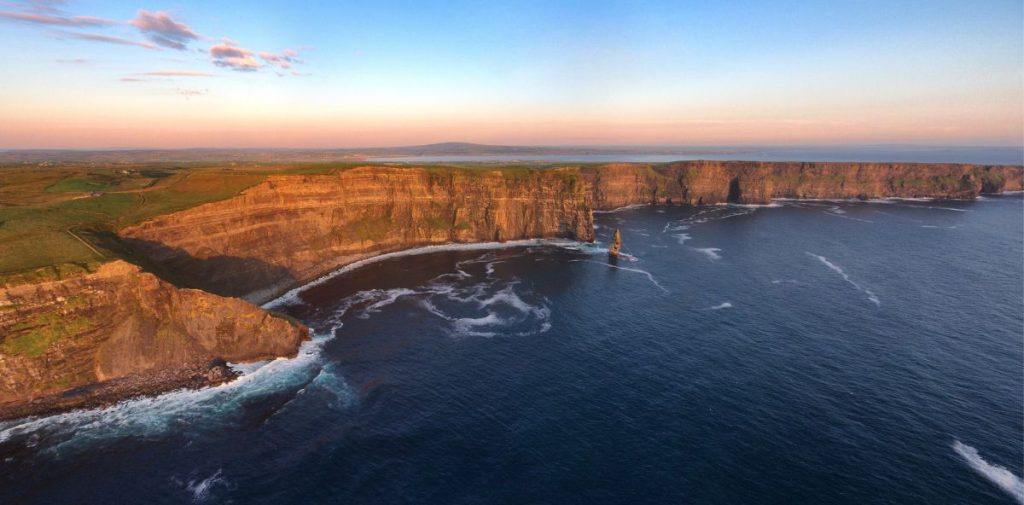
Tourist numbers peak in July and August, particularly at major sites like the Cliffs of Moher, the Ring of Kerry, and popular Dublin attractions. If you’re visiting during these months, expect to share the experience with many others.
Accommodation prices fluctuate significantly. A hotel room that costs €200 in August might cost €120 in May. Car rentals follow similar patterns. If budget is a concern, avoiding peak season can make a substantial difference.
For more detailed information on seasonal considerations, see our guide to the best time to visit Ireland.
How Many Days Do You Need in Ireland?
The answer depends on how much you want to see and your travel style.
3-4 Days: Dublin Only
If you only have a few days, focus on Dublin. Three to four days gives you enough time to see the city’s main sights, take a day trip if you want to get out of the city, and get a feel for Irish culture without rushing.
This timeframe works well for a long weekend or if you’re combining Ireland with other destinations in Europe.
If you only have a few days, focusing on Dublin makes sense. This Dublin Travel Guide helps you plan your time realistically without rushing.
5-7 Days: Dublin Plus One Region
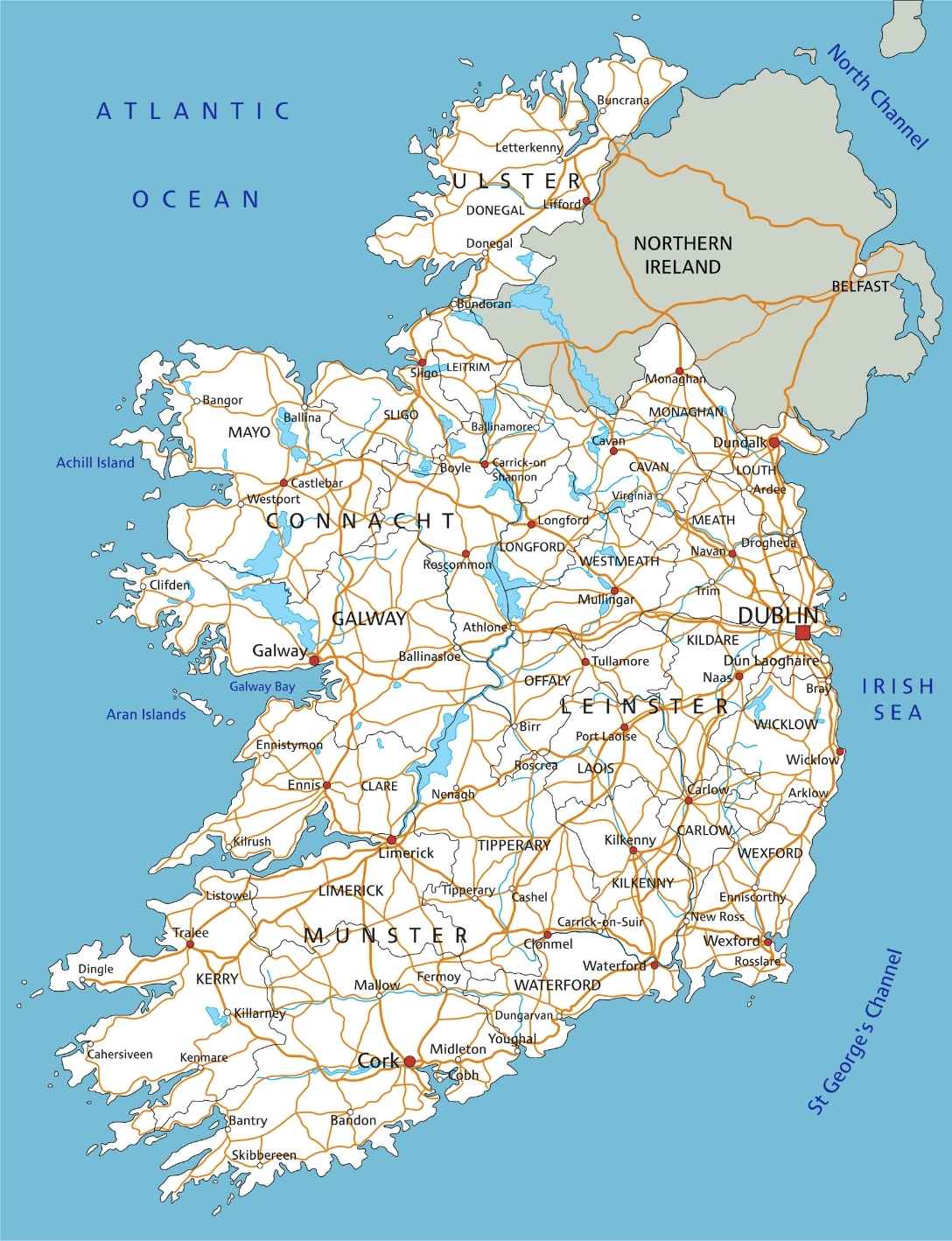
With five to seven days, you can explore Dublin and add one other region. This might mean spending time in the west (Galway and the Cliffs of Moher), the south (Cork and the Ring of Kerry), or the north (Belfast and the Causeway Coast).
This is the sweet spot for first-time visitors. You’ll see enough to feel like you’ve experienced Ireland beyond the capital without spending all your time in transit.
8-10+ Days: Multi-Region Trips
With more than a week, you can cover multiple regions. You might combine Dublin, the west coast, and the south, or do a comprehensive road trip that includes several bases.
Keep in mind that Ireland is small but takes time to traverse. Don’t try to see everything. Focus on two or three regions maximum, even with 10+ days. Anymore and you’ll feel rushed and end up exhausted.
For specific route suggestions and timing, check out our Ireland itineraries hub.
How Travel in Ireland Really Works
Understanding how travel works in Ireland helps you set realistic expectations and make better planning decisions.
Short Distances Don’t Mean Short Driving Times
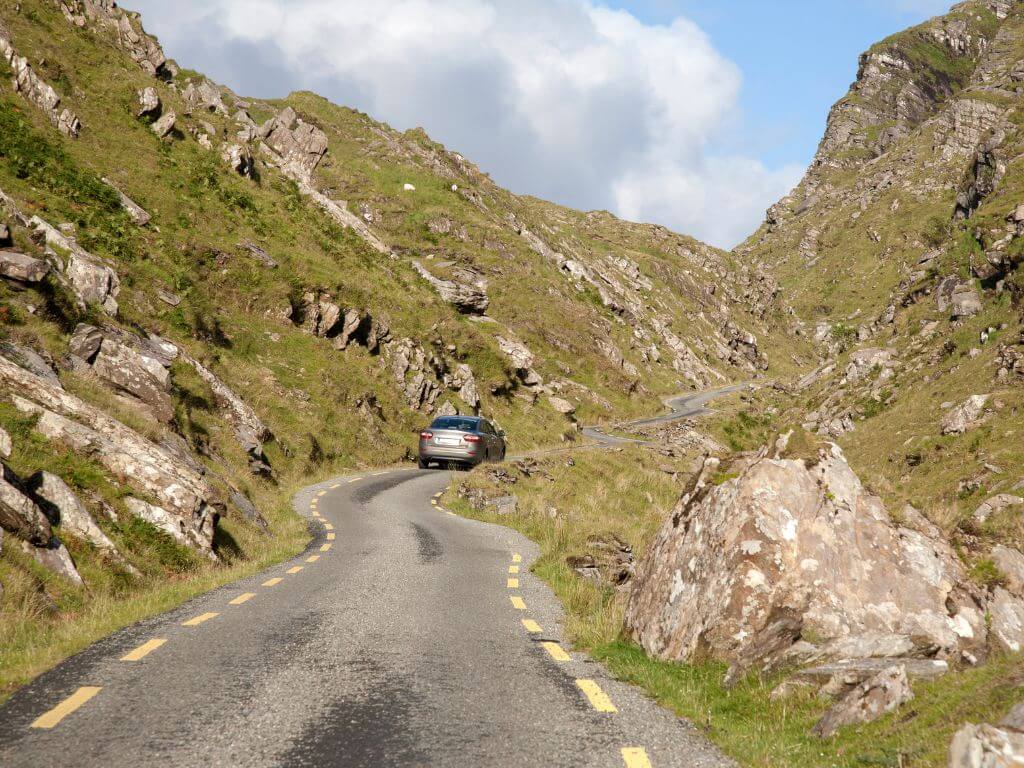
Ireland is roughly the size of South Carolina, but driving takes longer than you’d expect. Roads are narrow, winding, and often single-lane in rural areas. Speed limits are lower, and you’ll frequently get stuck behind slow-moving vehicles with limited overtaking opportunities. Think tractors, caravans and trucks.
A route that looks like a two-hour drive on a map often takes three hours in reality. Factor in extra time, particularly on the west coast and if you are avoiding motorways.
Why “Seeing Everything” Doesn’t Work
Many first-time visitors try to cram in too much. They plan to drive the entire Wild Atlantic Way, visit every famous site, and stay in six different towns in eight days.
And while, yes, you could do it, this approach leads to exhaustion and disappointment. You’ll spend more time in the car than actually experiencing places. Instead of ticking boxes, pick fewer destinations and explore them properly.
Why Fewer Bases Is Better
Moving accommodation every night or two sounds efficient but creates unnecessary stress. Packing, unpacking, checking in, checking out, and navigating new areas eats into your time.
Choose two or three bases for your entire trip and take day trips from those locations. You’ll feel more settled, waste less time, and actually enjoy the places you stay.
On our last few trips home to Ireland, we’ve chosen 1 or 2 bases and explored the surrounding areas as fully as we could.
On a late August trip to Ireland, we spent 10 days in Ireland. We first spent a week in County Wexford and then 3 days in County Wicklow (near to our family in Dublin). Our week in Wexford was amazing and during that week we ventured into counties Tipperary and Waterford.
When we choose one or two bases, the advantages are
- No unpacking and repacking our suitcases every other day as we have one destination.
- Relaxed fully every evening once we got back.
- Felt we really got the most out of our trip.
Why West Coast Travel Takes Longer
The west coast of Ireland is stunning, but it requires more time than other regions. Roads are narrower and more winding. Towns are smaller and further apart. Popular routes like the Ring of Kerry and the Dingle Peninsula can’t be rushed.
If the west coast is your priority, allocate more days there. If you’re short on time, consider focusing on fewer sections rather than trying to cover the entire western seaboard.
You should also consider flying in/out of Shannon Airport since it is already located along the West Coast.
Getting Around Ireland
Transport is one of the most important decisions you’ll make when planning your trip.
Car vs Public Transport
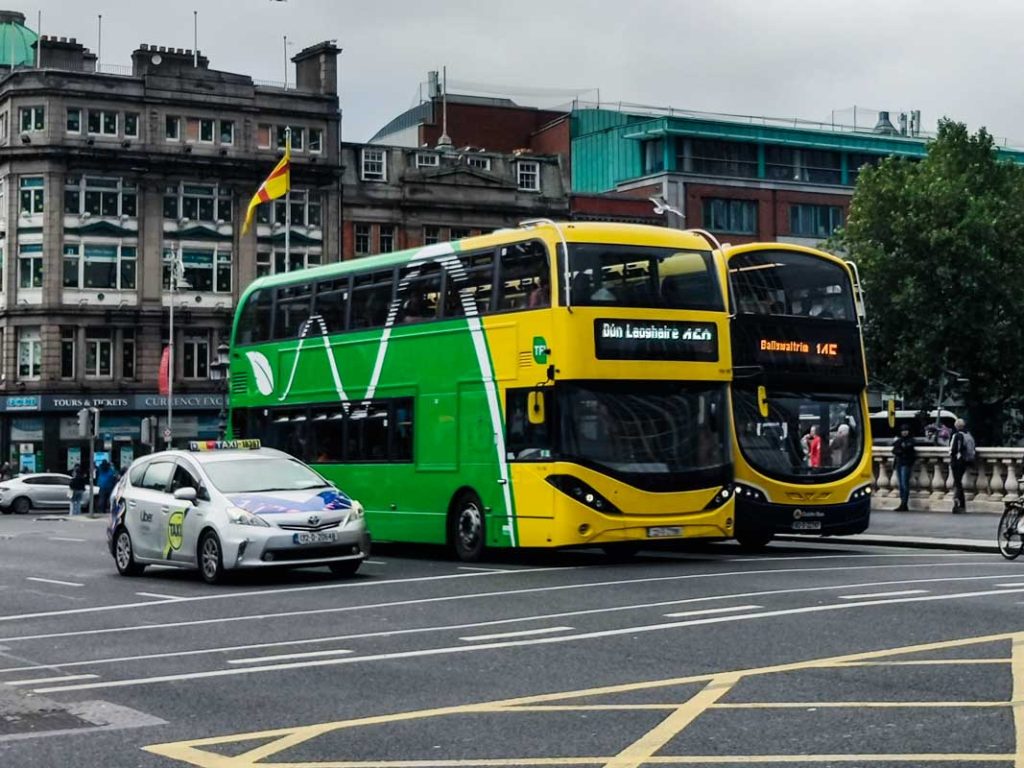
Renting a car gives you the most flexibility, particularly if you want to explore rural areas, coastal routes, or multiple regions. You can stop when you want, adjust your schedule, and reach places that public transport doesn’t serve.
However, driving in Ireland comes with challenges. Roads are narrow, you’ll be driving on the left, and parking in cities can be difficult and expensive. If you’re not comfortable with these conditions, a car might add stress rather than convenience.
Public transport works well for city-based travel. Dublin, Cork, Galway, and Belfast are all accessible by train and bus. If you’re planning a Dublin-focused trip with maybe one or two organized day tours, you don’t need a car.
When a Car Is Worth It
A car makes sense if you’re:
- Planning to explore multiple regions
- Visiting rural areas or coastal routes
- Traveling with family or a group where the cost splits multiple ways
- Comfortable driving on narrow roads and on the left side
When It Isn’t
Skip the car if you’re:
- Staying primarily in Dublin or other cities
- Uncomfortable with left-side driving or narrow roads
- Traveling solo where the cost isn’t shared
- Planning to rely heavily on organized tours
For detailed advice on driving, parking, and alternatives, see our guides on getting around Ireland, traveling Ireland without a car, and driving in Ireland.
Where to Stay in Ireland
Accommodation strategy matters as much as your itinerary. Where you stay in Ireland has a bigger impact on your trip than which attractions you choose.
Bases vs Attractions
Don’t book accommodation in every town you plan to visit. Instead, choose strategic bases and take day trips as mentioned above. For example, you can stay in Galway and visit the Cliffs of Moher, or base yourself in Killarney and explore the Ring of Kerry.
This approach reduces the hassle of moving frequently while still giving you access to major sights.
City vs Countryside
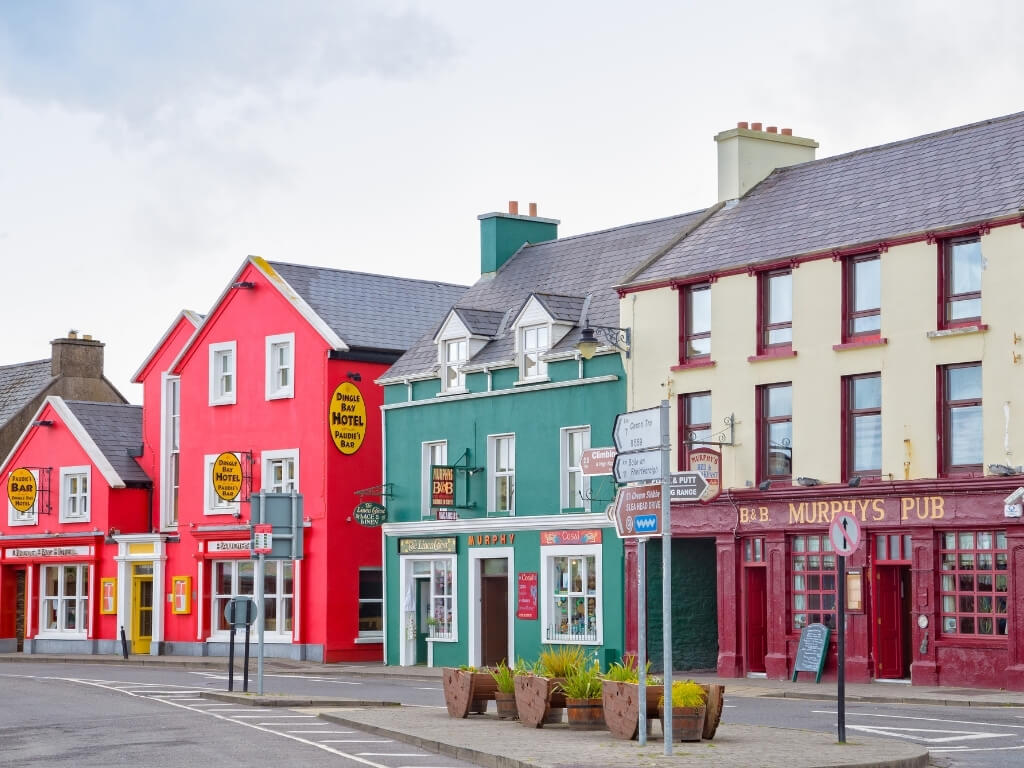
Cities offer more dining options, easier access to public transport, and more to do in the evenings. Countryside stays are quieter and often more characterful, but you’ll need a car and will have fewer options for meals outside your accommodation.
Consider splitting your trip between both. Spend time in Dublin or another city, then base yourself in a town or village for your rural exploration.
Hotel vs B&B vs Self-Catering
Hotels offer consistency, amenities like on-site restaurants and parking, and flexibility with check-in times. They’re a good choice for cities or if you prefer not to interact with hosts.
B&Bs provide more personal service, often include breakfast, and give you a more authentic experience of Irish hospitality. They’re common in smaller towns and rural areas.
Self-catering accommodation (apartments, cottages or AirBnB stays) works well for longer stays or if you prefer preparing your own meals. This can be more economical for families or groups. Our family preference is AirBnB stays outside of big towns and cities.
For specific recommendations by region/travel style, our where to stay in Ireland guide breaks down the best bases, and our Dublin hotel guides cover city accommodation options in detail.
Ireland Itineraries Explained
An itinerary isn’t just a list of places to visit; it’s the framework that makes your trip function.
Why Itineraries Matter
A good itinerary balances travel time with actual experiences. It accounts for driving distances, gives you enough time in each location, and builds in flexibility for weather or spontaneous decisions.
Without some structure, you’ll either overcommit and spend your trip rushing, or underplan and waste time figuring out what to do each day.
City-Based vs Road Trip Itineraries
City-based itineraries focus on one or two urban centers with day trips radiating out. These work well if you don’t want to drive much or prefer public transport.
Road trip itineraries involve multiple bases and more driving. They’re better suited for exploring rural areas, coastal routes, and different regions of the country, especially those hard to get to with public transport.
First-Time vs Repeat Trips
First-time visitors typically want to see the highlights: Dublin, the west coast, and perhaps one or two major attractions. This is fine, these places are popular for good reason.
Repeat visitors often focus on specific regions they missed the first time, or they dig deeper into areas they particularly enjoyed. Second trips are a good opportunity to explore lesser-known destinations without feeling like you’re missing the main attractions.
For detailed route suggestions, visit our Ireland itineraries hub.
Common Mistakes When Planning a Trip to Ireland
Learning from others’ mistakes saves time and frustration. Here are my top common mistakes people make when planning their visit to Ireland, so you don’t have to!
Trying to See Too Much
This is the most common error. Visitors try to fit Dublin, the Cliffs of Moher, the Ring of Kerry, Belfast, and the Dingle Peninsula into a week. The result is exhaustion and disappointment.
Pick fewer destinations. You’ll enjoy them more and remember them better than if you’re constantly moving. You’ll also get more of a chance to immerse yourself in Ireland.
Driving Every Day
If you’re doing a road trip, build in days where you don’t drive at all. Constant driving wears you down. Plan at least one full day in each base where you walk around town, explore locally, or simply rest.
If you are traveling with kids, this is essential. We’ve often had to adjust our itinerary and ‘take a day off’ when our son has become unwell or exhausted. Sometimes, you just need to slow down. So allow yourself this flexibility.
Underestimating Travel Times
Google Maps will show you the fastest theoretical route, but Irish roads rarely allow you to maintain those speeds. Add 30-50% more time than the estimate, particularly on rural and coastal roads.
Also factor in time for breaks, meals, and spontaneous stops. A three-hour drive easily becomes a four-to-five-hour journey when you account for real-world conditions. In Ireland, you never know what you’ll find around a corner or a viewpoint that warrants stopping, so be prepared.
Overbooking Accommodation
This advice varies depending on your travel style.
Booking every single night in advance locks you into a rigid schedule. If you love a place and want to stay longer, or hate it and want to leave sooner, you’re stuck.
Book your first night or two in each region, then leave flexibility for the rest. Most towns have availability even in high season if you’re booking just a day or two ahead.
That said, for busy cities, and especially in summer or around St Patrick’s Day, be careful. During this time, lots of accommodation will be full.
Assuming Public Transport Works Everywhere
Public transport in Ireland is limited outside major cities and a few tourist routes. If you’re planning to visit rural areas or smaller towns, check actual bus and train schedules; don’t assume connections exist, because often they don’t.
If you want flexibility without a car, consider organized tours for specific destinations rather than trying to piece together public transport connections.
Practical Things to Know Before You Go
Basic practical information helps avoid surprises when you arrive. The list below is useful travel information every first-time visitor to Ireland should know.
Currency
Ireland uses the euro (€). Northern Ireland, which is part of the UK, uses the pound sterling (£). If you’re visiting both, you’ll need both currencies or a card that works internationally without fees.
Power Plugs
Ireland uses Type G plugs (the same as the UK) with 230V electricity. US appliances need both a plug adapter and potentially a voltage converter, though most modern electronics (phones, laptops) handle dual voltage.
Check our full guide on power plugs in Ireland for specific adapter recommendations.
Tipping
Tipping isn’t as expected as in the US, but it’s appreciated for good service. In restaurants, 10-15% is standard if service isn’t included. In pubs, you don’t tip for drinks ordered at the bar, although offering one to the barman serving you will be appreciated. For taxis, rounding up is sufficient.
For complete tipping guidelines, see our Ireland tipping guide.
Safety
Ireland is very safe for travelers. Violent crime is rare. Standard city precautions apply; watch your belongings in crowded areas, don’t leave valuables visible in parked cars, but you’re unlikely to encounter problems.
Language
English is spoken everywhere. Irish (Gaelic) is the first official language, but only a small percentage of the population speaks it fluently. You’ll see bilingual signs, particularly in Gaeltacht (Irish-speaking) regions, but English is universally understood.
For more on language and useful phrases, check out our guide on what language they speak in Ireland.
Planning a Trip to Ireland FAQs
Next Steps
Now that you understand how planning a trip to Ireland works, the next step is deciding where you want to go and how long you have.
Start with our Dublin travel guide if the capital is part of your plans, or browse our Ireland itineraries to build a trip that fits your style and timeframe.
Focus on doing fewer things well rather than trying to see everything. Ireland rewards travelers who take their time.
Pin for later!

*This post contains affiliate links, which may include Amazon affiliate links. To read more about affiliate links, please visit my Disclosure Policy page.