
Where to Stay in Ireland
(Complete Accommodation Guide)
Choosing where to stay in Ireland can have a bigger impact on your trip than you might expect. Your accommodation choices influence daily driving times, the pace of your journey, and ultimately how much you enjoy exploring the country.
There’s no one-size-fits-all approach to accommodation in Ireland. The country’s layout, varied attractions, and driving realities mean that fewer bases often work better than constantly moving from place to place. This guide focuses on accommodation strategy and location choices, helping you decide on the right type of stay in the right place before you start looking at specific hotels or glamping options.
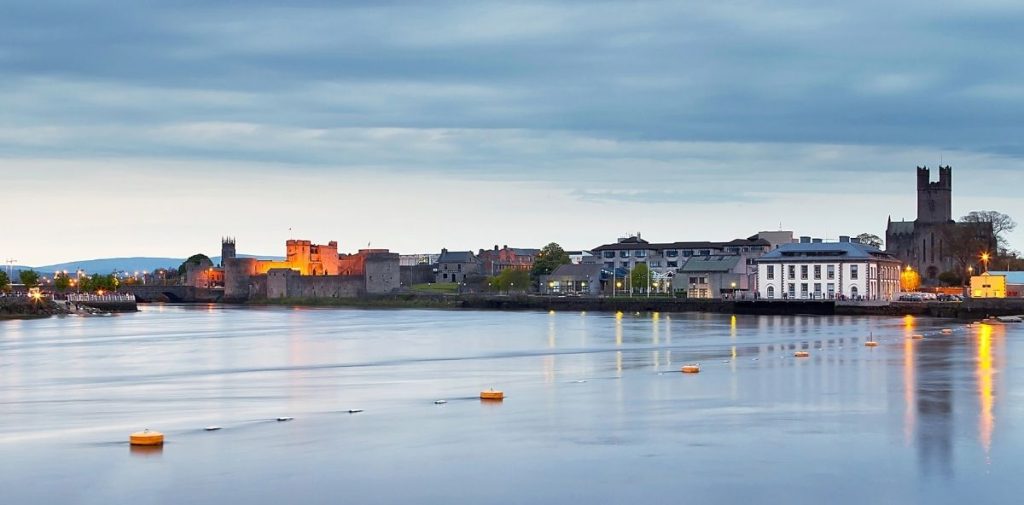
How to Choose Where to Stay in Ireland
Understanding how to approach where to stay in Ireland is crucial to planning a successful trip. Rather than booking a different hotel every night or choosing places solely because they’re “central,” consider these key factors:
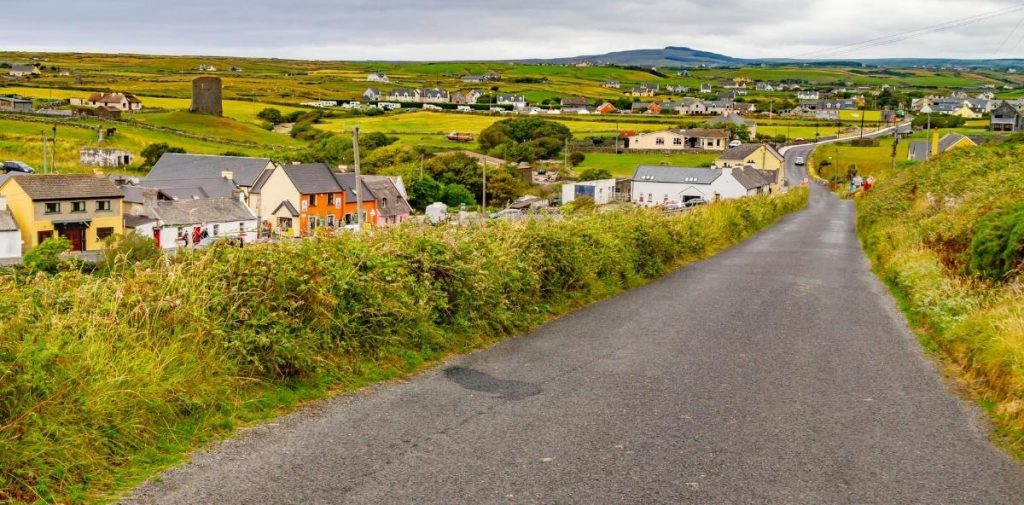
Bases vs Moving Nightly
Staying in one place for 2-3 nights (or longer) typically works better than moving every day. Constant packing and unpacking can become exhausting, and checkout times cut into your day. You’ll also spend more time in the car than you’d like. Multiple-night stays let you settle in, explore surrounding areas from a fixed base, and travel at a more enjoyable pace.
City vs Countryside
Cities like Dublin or Galway offer walkability, nightlife, and cultural attractions, making them ideal bases for first-time visitors or those on shorter trips. The beautiful Irish countryside can offer tranquility and more authentic Irish experiences. Choosing to stay in rural areas can be perfect for longer stays or if you’re focusing on landscapes and coastal routes. Many travelers combine both, spending a few nights in Dublin before heading to the countryside. The choice really is yours.
Why “Central” Can Be Misleading
In Ireland, “central” doesn’t mean you’ll be close to everything. The country’s elongated shape means that staying in the geographic center won’t necessarily reduce your driving to coastal attractions or cities. Instead of chasing a central location, think about which region you want to explore and choose accommodation within that area.
Driving Time Realities
Irish roads are narrower and more winding than many visitors expect, especially in rural areas. What looks like a short distance on a map can take significantly longer in reality. You need to factor in realistic driving times when choosing where to stay. That said, driving time shouldn’t limit your accommodation choices entirely; just be aware that a 90-minute scenic drive in Ireland is very different from 90 minutes on a highway elsewhere.
Best Places to Base Yourself in Ireland
Rather than listing every possible town, here’s a strategic overview of the best base locations depending on your trip style and interests:
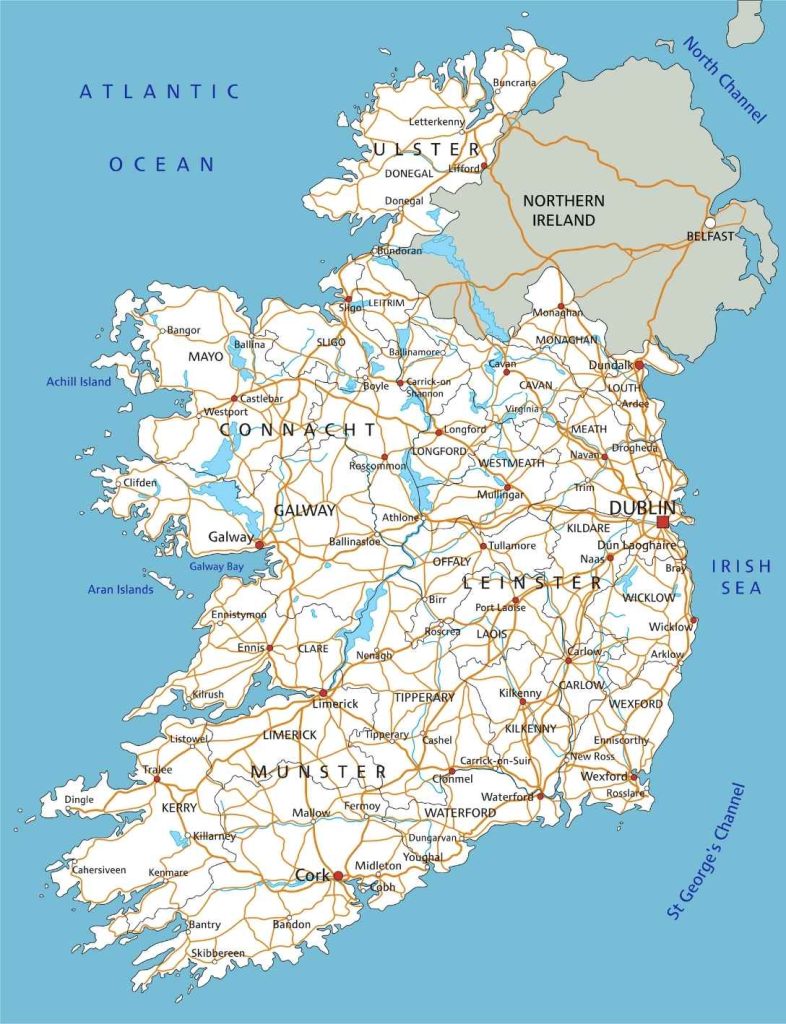
Dublin
Dublin is the natural starting point for first-time visitors and those on shorter trips. It offers excellent public transport, world-class museums, historic pubs, and easy access to day trips like the Cliffs of Moher tours or Wicklow Mountains. Plan on 2-3 nights in Dublin if it’s your first time, or use it as a convenient base before or after exploring the rest of Ireland. This is particularly true if your arrival/departure airport is Dublin.
For detailed guidance on neighborhoods and specific areas, see our Where to Stay in Dublin guide.
West Coast Bases
The Wild Atlantic Way is Ireland’s signature coastal route, and basing yourself along the west coast gives you access to dramatic cliffs, charming villages, and some of the country’s most iconic scenery. Popular bases include Galway (vibrant city with coastal access), Doolin or Lahinch (near the Cliffs of Moher), Dingle (stunning peninsula), and Westport (gateway to Connemara and Mayo).
Spending 2-3 nights in each base lets you explore different sections of the coast without excessive driving. The west coast rewards slower travel; rushing through diminishes the experience.
Smaller Towns vs Cities
Smaller towns like Killarney, Kinsale, Kenmare, and Kilkenny offer a more intimate Irish experience without sacrificing amenities. They’re walkable with good amenities and serve as excellent bases for exploring the surrounding regions. Cities like Cork and Limerick provide more urban energy and dining options, but less of the quintessential Irish village charm.
If you prefer a mix, consider splitting your time: a few nights in a city, then a few in a smaller town or rural area.
Rural Bases
Rural accommodation makes sense when you want to fully explore a specific area without moving every day. Staying in the countryside lets you wake up to quiet mornings and enjoy slower-paced days. You can also use your base for multiple day trips in the region. It’s particularly appealing for families and those seeking a quieter visit to Ireland.
The trade-off is less immediate access to restaurants and nightlife, but you gain space, scenery, and a more authentic slice of Irish life. This is where self-catering accommodation (discussed below) really shines.
Types of Accommodation in Ireland
Ireland offers a wide range of accommodation types, each suited to different travel styles and budgets. Understanding these differences will help you choose accommodation that supports your itinerary rather than complicating it.
Hotels in Ireland
Irish hotels range from boutique properties and historic castles to modern chains and luxury estates. In cities like Dublin, hotels offer convenience in central locations, and services like concierge assistance and restaurants. In rural areas, hotels tend to be more atmospheric – think country manor houses with extensive grounds and award-winning dining.
Hotels make sense when you want on-site amenities, such as not wanting to cook, and they offer a full-service experience. They’re particularly useful in cities where you’ll be out exploring all day and just need a comfortable place to sleep. In the countryside, they work well for couples or those seeking a more traditional, hosted stay.
If you’re interested in upscale properties, see our guide to the Best Luxury Hotels in Ireland. For a truly unique experience, explore our list of the Best Castle Hotels in Ireland.
Dublin Hotel Specifics
Dublin’s hotel scene deserves special mention because the city has distinct dynamics around location, amenities, and pricing compared to elsewhere in Ireland. Neighbourhood choice matters more than hotel star rating, and certain features, such as swimming pools or rooftop bars, are far less common than visitors expect.
If Dublin is part of your itinerary, this Where to Stay in Dublin guide breaks down the best areas to base yourself and explains what to expect from different types of accommodation across the city.
If you’re planning a visit to Emerald Park (Ireland’s largest theme park), staying nearby can also make sense; see our guide to the best hotels near Emerald Park for practical options.
Self-Catering Accommodation in Ireland
Self-catering accommodation such as apartments, holiday homes, cottages, and short-term rentals is extremely popular in Ireland, and for good reason. It offers flexibility, space, and the freedom to cook your own meals or eat out as you choose. You’ll find self-catering options everywhere from city apartments to rural farmhouses overlooking the Atlantic.
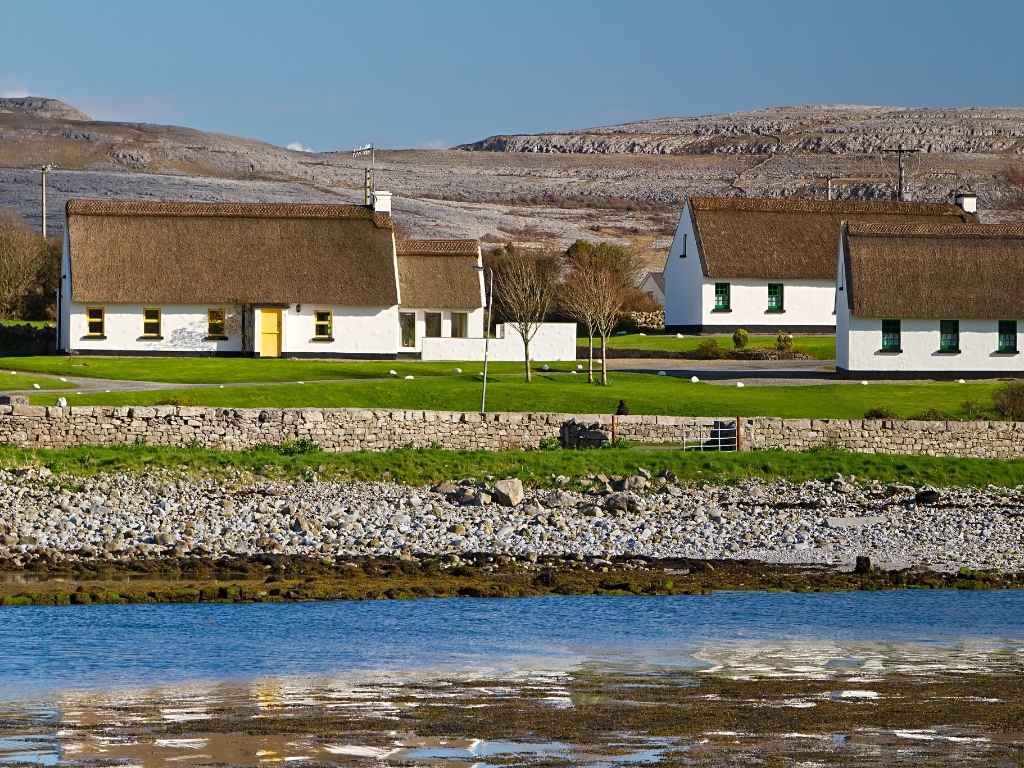
Who It’s Best For:
Self-catering works particularly well for:
• Families needing space and separate bedrooms
• Groups traveling together who want a shared living area
• Longer stays, where eating out for every meal can become expensive and boring
• Travelers who prefer a slower pace and enjoy having a “home base”
Key Benefits:
The flexibility to cook breakfast, pack lunches, or prepare dinner saves money and gives you control over your schedule. You’re not tied to hotel meal times or forced to eat out when you’d rather have a quiet evening in.
Self-catering also means more space, which can be an important factor for families or anyone who finds hotel rooms confining after a few days.
You can come and go freely, do laundry, and settle into a rhythm that feels less like constant travel and more like temporarily living somewhere. This is especially valuable in rural Ireland and areas where you plan to spend several nights exploring day by day.
Why Self-Catering Works Well for Families:
For families, self-catering can make a big difference. We often choose it ourselves for the flexibility and space to decide our own timetables. Some of our favorite stays have been hosted by locals who shared brilliant tips about the area, including a stay in Wexford, where our host’s recommendations shaped much of our trip.
Bed and Breakfasts in Ireland
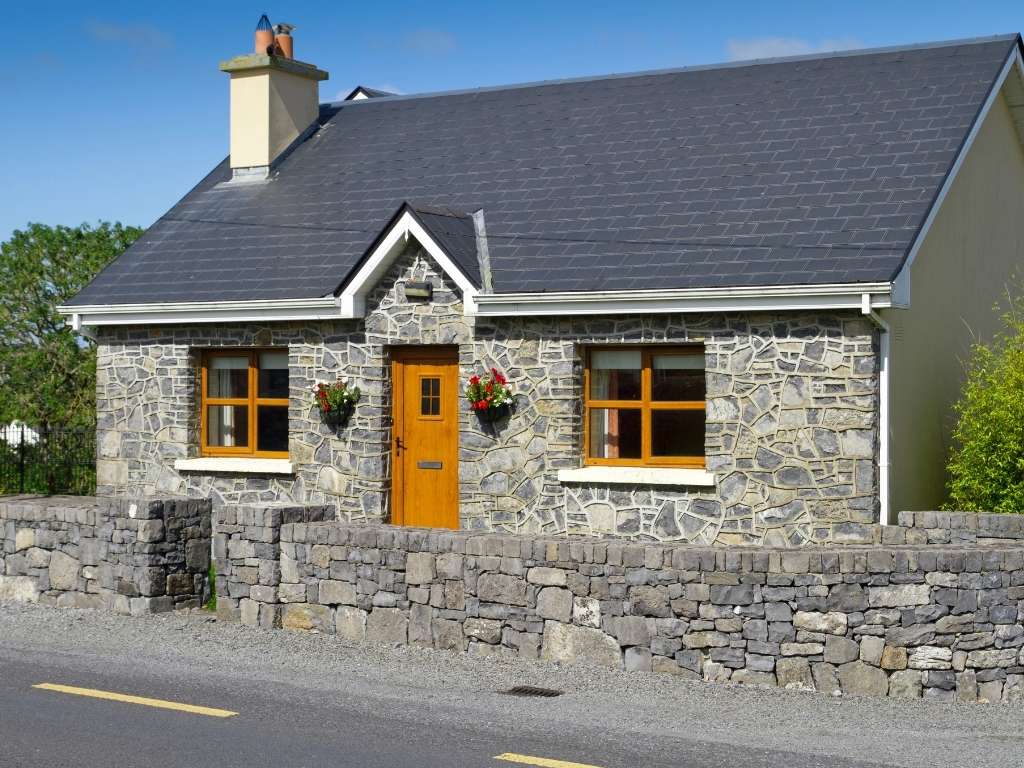
Bed and breakfasts (B&Bs) are a traditional Irish accommodation choice, offering a hosted stay with a hearty breakfast included. They’re typically family-run, with a personal touch that larger hotels can’t match. Hosts often provide excellent local recommendations and insights into the area.
Who They Suit:
B&Bs work well for:
• Couples seeking a cozy, intimate experience
• Older travelers who appreciate the personal service and social aspect
• Visitors who enjoy chatting with locals and getting insider tips over a substantial breakfast without having to seek out a café
When They Make Less Sense:
B&Bs may not be ideal if you:
• Have young children who need space to spread out (rooms tend to be smaller)
• Plan very early departures (breakfast times are usually fixed)
• Prefer complete privacy and minimal interaction with hosts
For travelers who enjoy a more personal style of accommodation, staying in a B&B can be one of the most memorable parts of a trip to Ireland.
Glamping in Ireland
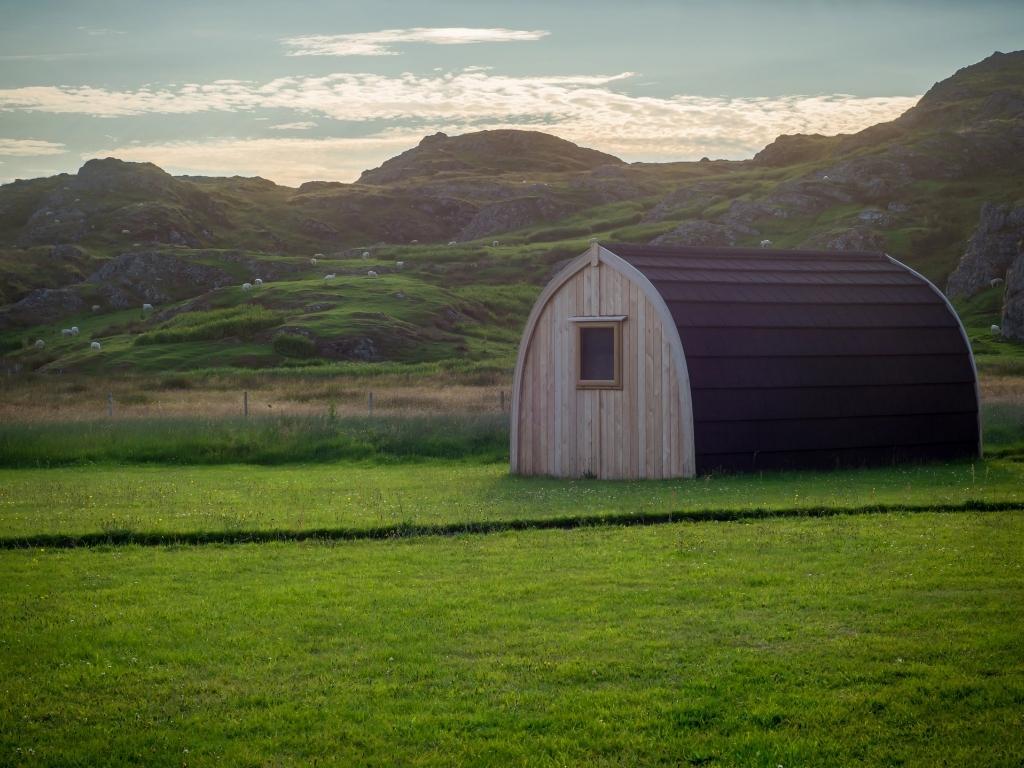
Glamping (glamorous camping) has become increasingly popular in Ireland, offering a way to experience the outdoors without sacrificing comfort. You’ll find everything from safari tents and geodesic domes to treehouses and yurts, often set in stunning coastal or countryside locations.
When Glamping Works Well:
Glamping is ideal for those seeking a unique, nature-immersed experience with comfortable beds, proper bathrooms, and often wood-burning stoves or hot tubs. It works particularly well for couples, families with older children, or anyone who wants to feel connected to Ireland’s landscapes in a way that hotels don’t offer.
Seasonal Considerations:
Most glamping sites operate seasonally, typically from late spring through early autumn. Ireland’s weather can be unpredictable, so glamping works best during the warmer, drier months (May to September). Check operating dates carefully; many sites close entirely from October through March.
When It Doesn’t Make Sense:
Glamping may not suit you if:
• You’re traveling in winter or during unpredictable weather
• You prefer urban convenience and easy access to restaurants
• You need consistent WiFi and modern amenities
• You have very young children who might struggle with the rural, outdoor setting
For regional recommendations, explore our glamping guides:
• Best Glamping in Mayo
• Best Glamping in Wicklow
• Best Glamping in Kerry
• Best Glamping in Cork
• Best Glamping in Galway
• Best Glamping in Wexford
Where to Stay Based on Your Trip Type
Different types of travelers have different accommodation needs. Here’s how to tailor your choices based on your trip style:
First-Time Visitors
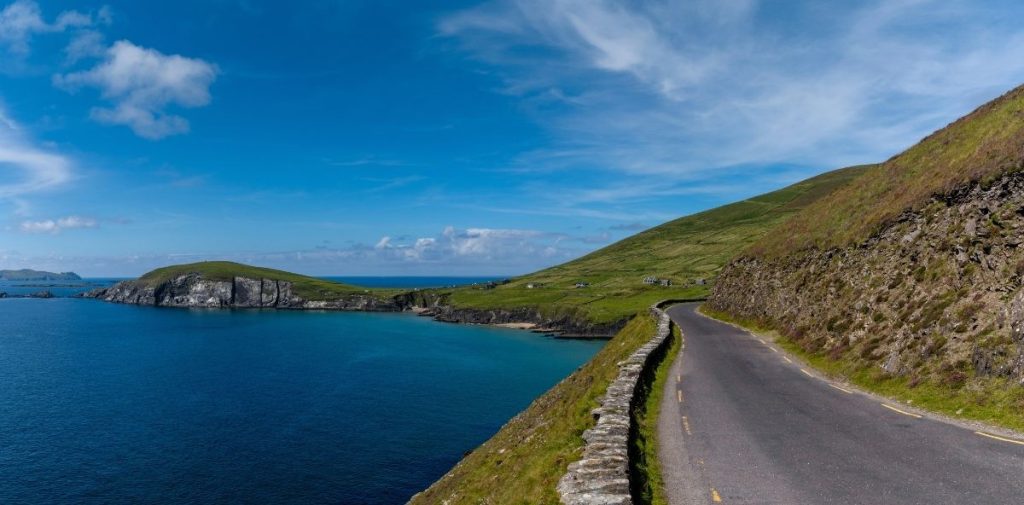
If it’s your first trip to Ireland, focus on the highlights: Dublin, the Cliffs of Moher, the Ring of Kerry, and perhaps Galway. Base yourself in cities or larger towns with good hotel infrastructure. Plan on 2-3 nights in Dublin, then 2-3 nights each in a couple of west coast locations. This keeps logistics simple and ensures you see the most iconic sights without rushing.
Families
Families benefit enormously from self-catering accommodation. Having space to spread out, a kitchen for easy breakfasts and snacks, and the ability to settle in for a few nights makes traveling with children far more manageable. Choose fewer bases with longer stays – kids (and parents) will appreciate not living out of a suitcase. Rural or coastal self-catering properties work particularly well, giving children outdoor space and parents a bit of breathing room.
Couples
Couples have the most flexibility. Romantic B&Bs, boutique hotels, or even glamping can all work beautifully. If you want a mix of experiences, consider a few nights in a castle hotel or luxury property, then a few nights in a more intimate B&B or self-catering cottage. The key is balancing variety with practical logistics; don’t move every single night just for the sake of it.
Short Trips (3-5 Days)
On a short trip, limit yourself to two bases maximum. Spend 2-3 nights in Dublin, then head to the west coast for the remainder. Alternatively, skip Dublin entirely and focus on one region (like the west coast or the southwest). Hotels and B&Bs work well for short trips since you’re constantly on the move and don’t need the setup time that self-catering requires.
Long Trips & Road Trips (7+ Days)
Longer trips allow you to slow down and explore regions more thoroughly. Self-catering becomes more appealing, particularly if you’re staying in one area for 4-5 nights and using it as a base for day trips. A typical structure might be: 2-3 nights in Dublin, 3-4 nights in a rural west coast base (such as Dingle, Doolin, or Westport), and 3-4 nights in the southwest (Killarney, Kenmare, or Kinsale). This gives you depth without excessive driving.
For more guidance on planning, see our Ireland Travel Planning resources.
Common Accommodation Mistakes in Ireland
Avoid these common pitfalls when booking accommodation in Ireland:
Booking Too Many One-Night Stays
Moving hotels every single night sounds adventurous, but in reality, it’s exhausting. You’ll spend more time packing, checking out, and driving than actually experiencing Ireland. Aim for at least two nights per base, preferably three.
Choosing Hotels Based on “Central” Alone
A “central” location in Ireland doesn’t guarantee convenience. The country’s shape means that being geographically central won’t necessarily save you driving time to the coast or major attractions. Instead, choose accommodation within the region you want to explore.
Underestimating Rural Driving Times
Irish roads are narrow, winding, and slower than they look on a map. Don’t assume you can cover long distances quickly unless you are sticking to the motorways (highways). Factor in realistic driving times, 60-90 minutes per stretch is reasonable; 3+ hours daily becomes tiring fast.
Booking Late in Peak Season
Ireland’s peak season (June-August) sees high demand for accommodation, especially in popular areas like the Cliffs of Moher, Dingle, and Killarney. Booking late can mean limited availability and inflated prices. If you’re traveling in summer, book at least 2-3 months in advance, longer for speciality properties like castle hotels or popular glamping sites.
Assuming All Glamping Is Year-Round
Most glamping sites operate seasonally. If you’re planning a trip outside the May-September window, check operating dates carefully. Many close completely during the colder, wetter months.
Planning Your Ireland Stay
Choosing the right accommodation is just one piece of planning your trip to Ireland.
Once you’ve chosen the right type of accommodation and base locations, the next step is deciding how you’ll get around and how to structure your time.
For a complete overview of planning your trip, these guides will help you take the next steps:
• Ireland Travel Planning
• Dublin Travel Guide
With the right accommodation choices, you’ll spend less time worrying about logistics and more time enjoying everything Ireland has to offer.
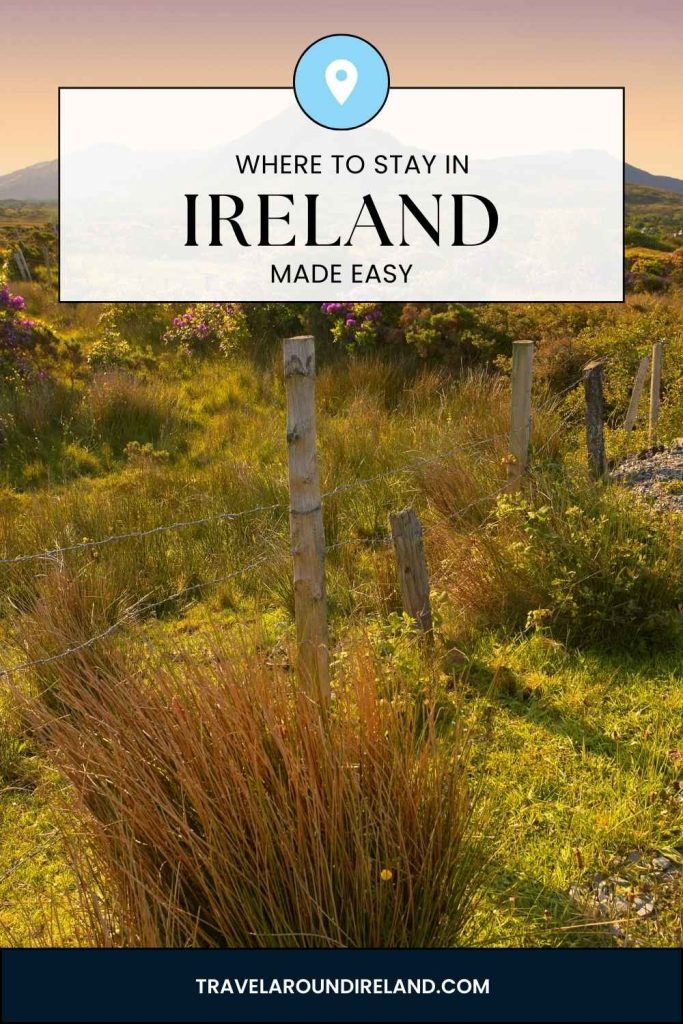
Pin for later!

*This post contains affiliate links, which may include Amazon affiliate links. To read more about affiliate links, please visit my Disclosure Policy page.