
Choosing where to stay in Dublin can make or break your trip. Stay in the wrong area, and you’ll end up wasting time on transport or struggle with late-night noise. You could also miss out on the kind of Dublin experience you were hoping for.
Dublin may be compact and walkable, but its neighborhoods feel very different. From Temple Bar’s late-night buzz to the Georgian calm around St Stephen’s Green, or the lived-in local feel of places like Ranelagh and the Liberties, there is no single “best” area to stay; only the best area for you.
I’m a Dubliner who lived in the Irish capital until my mid-twenties and still return regularly to visit family, so this guide is based on real experience, not just maps or hotel listings. Instead of pushing one neighborhood, I’ll help you match the right area to your travel style, budget, and priorities.
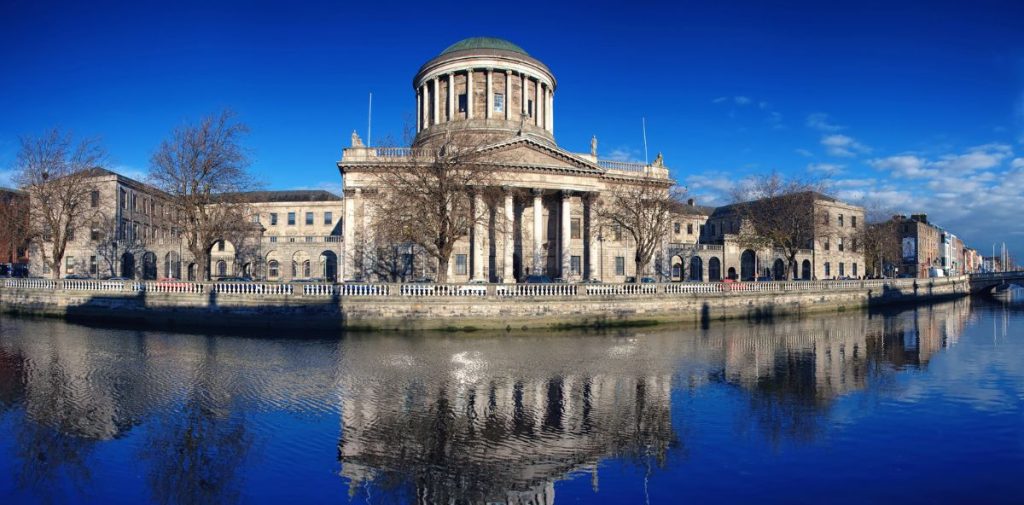
Whether you’re visiting Dublin for the first time, traveling with kids, planning a romantic break, or looking for the best-value base, this guide will help you decide exactly where to book.
- How to Choose the Best Area to Stay in Dublin
- Best Areas to Stay in Dublin (Neighborhood-by-Neighborhood)
- Best Areas to Stay in Dublin by Travel Style
- Where NOT to Stay in Dublin (Quick Reality Check)
- How Long to Stay in Dublin & Where to Base Yourself
- Getting Around Dublin From Your Neighborhood
- Frequently Asked Questions About Where to Stay in Dublin
- Final Tips for Booking Accommodation in Dublin
- Other Tips for Ireland
How to Choose the Best Area to Stay in Dublin
Key Things to Consider Before Booking
Your ideal Dublin neighborhood depends on several practical factors beyond just proximity to attractions.
First time vs repeat visit: First-time visitors often prefer staying centrally near Temple Bar or Trinity College, accepting higher prices for the convenience of walking to major sights. Return visitors frequently choose neighborhoods like Ranelagh or Smithfield, trading a short tram ride for better value and local atmosphere.
Walking vs public transport: Dublin’s city centre is highly walkable, but staying in outer neighbourhoods like Ballsbridge or Drumcondra means relying on the Luas (tram), bus, or DART (train). Consider your mobility needs and whether you’ll enjoy evening walks back to your accommodation after dinner from where you alight public transport.
Budget expectations in Dublin: Accommodation costs vary dramatically between neighbourhoods. Temple Bar and St Stephen’s Green command premium prices, especially on weekends and in peak tourist season. The Liberties, Smithfield, and Drumcondra offer better value while maintaining good access to attractions. Remember that Dublin is expensive by European standards – budget accordingly.
Noise levels and nightlife: Temple Bar thrums until 3am most nights. Even quieter streets near popular pubs experience late-night singing and shouting. If you’re sensitive to noise, prioritize neighborhoods like Ballsbridge or Merrion Square, or book accommodation on upper floors away from main streets.
Traveling with kids or late-night plans: Families appreciate the space and calm of Ranelagh or Ballsbridge, with parks nearby and reliable transport. Night owls should stay in Temple Bar, the Creative Quarter, or near Camden Street to avoid expensive late-night taxis.
Quick Dublin Neighbourhood Overview
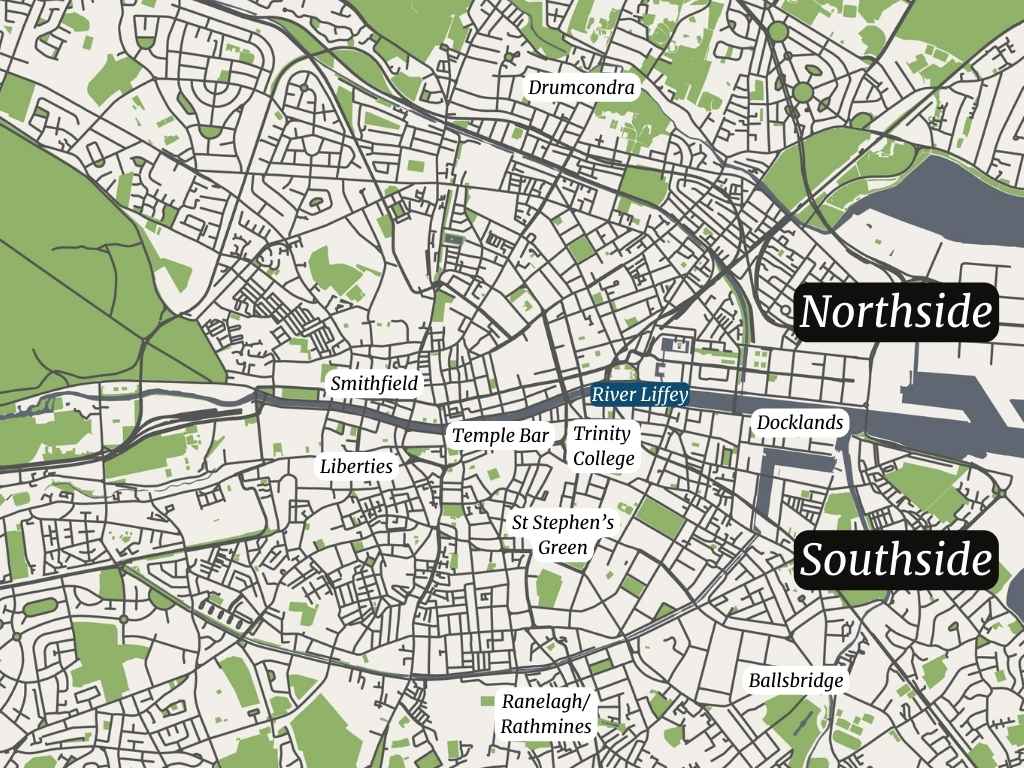
Northside vs Southside: The River Liffey divides Dublin into northside and southside, though the cultural divide is less pronounced than locals suggest. The southside (Temple Bar, Trinity, St Stephen’s Green) contains most major tourist sights and upscale shopping. The northside (Smithfield, Drumcondra) offers better value and equally authentic experiences, though with fewer tourist amenities.
City centre vs outer neighborhoods: Dublin’s city centre extends roughly from Parnell Square to St Stephen’s Green (north-south) and Phoenix Park to the Docklands (east-west). Staying within this area means walking to most attractions. Outer neighborhoods like Ranelagh, Ballsbridge, and Drumcondra require 10-20 minute transport journeys but offer quieter evenings and better accommodation value.
Safety and walkability: Dublin is generally safe for tourists, with normal urban precautions applying. Well-lit main streets remain busy until late, though some areas around Mountjoy Square and parts of the quays feel isolated after dark. The city centre and all neighborhoods mentioned in this guide are safe for visitors using common sense.
Best Areas to Stay in Dublin (Neighborhood-by-Neighborhood)
Temple Bar – Best Area to Stay in Dublin for Nightlife
Best for: nightlife, first-time visitors who want to be central
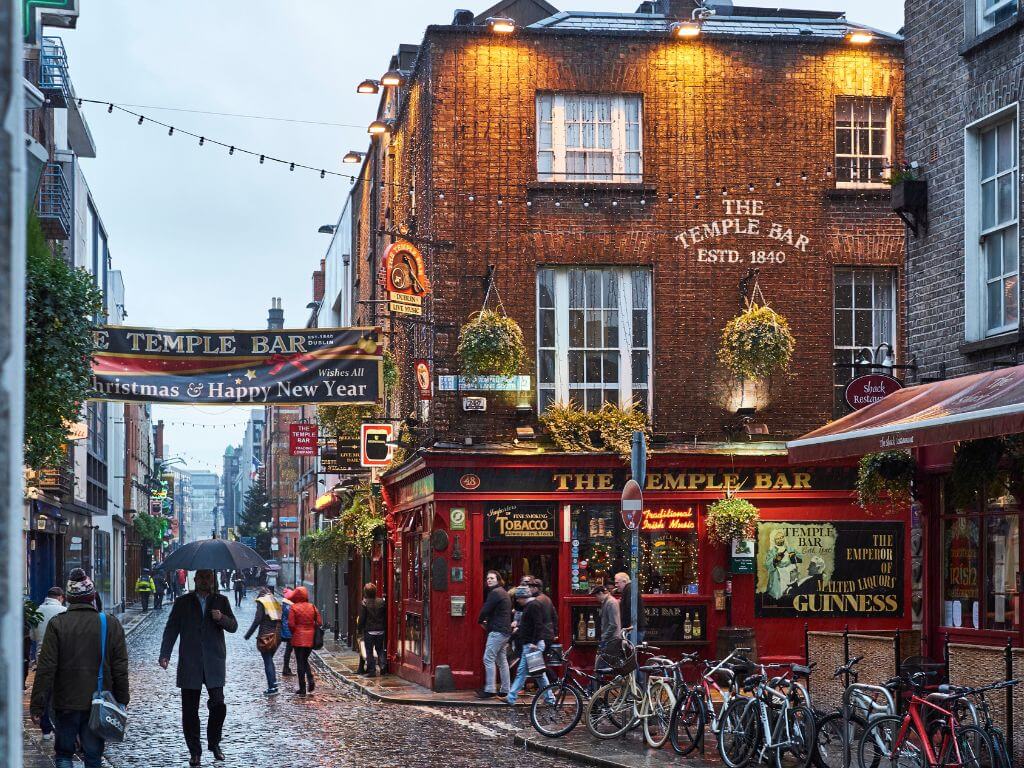
Temple Bar is Dublin’s most famous neighborhood, though its reputation oversimplifies reality. Yes, the cobblestoned streets between Dame Street and the Liffey overflow with hen parties and bachelor groups most weekends. But Temple Bar also houses the Irish Film Institute, authentic traditional music venues, excellent restaurants, and some of Dublin’s most photographed streets.
Staying here puts you at the geographic heart of tourist Dublin. Trinity College sits five minutes east, Dublin Castle five minutes west, and the Ha’penny Bridge leads directly to O’Connell Street’s shopping district. You’ll never need transport for major attractions, and there’s always somewhere serving food or drinks, regardless of the hour.
The downsides are real: rooms cost 30-50% more than comparable accommodation elsewhere, especially on weekends. Noise continues until 3am Thursday through Sunday, with singing crowds and amplified music penetrating even good windows. The streets smell of beer on Sunday mornings, and navigating through weekend crowds requires patience.
Temple Bar suits first-time visitors prioritizing location over everything else, groups planning extensive nightlife, and those who sleep soundly despite noise. Avoid it if you’re traveling with young children, seeking authentic local experiences, or sensitive to disturbance. Light sleepers should book upper floors facing inner courtyards, though true quiet remains elusive on weekends.
Trinity College & Grafton Street Area – Best Area to Stay in Dublin for a Central Location
Best for: sightseeing, shopping, central but quieter nights
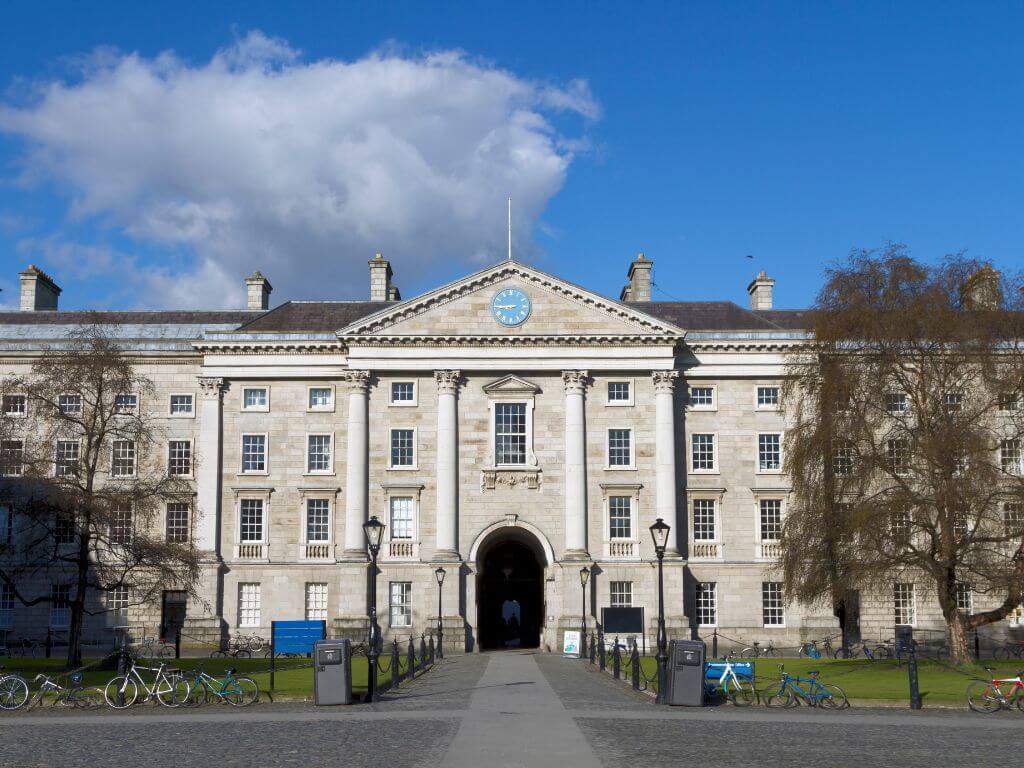
The streets surrounding Trinity College and pedestrianized Grafton Street offer Dublin’s best balance of central location and relative evening calm. You’re still in the heart of the tourist epicentre. Trinity’s front arch, the Book of Kells, and the Molly Malone statue are all here, but most visitors disperse by evening, leaving quieter streets than Temple Bar.
This area excels for sightseeing efficiency. The National Gallery, National Museum, and Little Museum of Dublin all lie within a ten-minute walk. St Stephen’s Green provides morning running routes or afternoon picnic spots. Grafton Street’s shops range from Brown Thomas department store to local designers, while side streets hide excellent restaurants and traditional pubs.
Hotels dominate accommodation here, from the legendary Westbury to modern chains near Trinity’s Nassau Street side. Vacation rentals are scarcer and pricier than other neighborhoods. The area lacks grocery stores and everyday services, reinforcing its tourist-focused character.
Choose this neighborhood for short city breaks where you’ll maximize sightseeing time. It’s ideal for older couples, shopping enthusiasts, and anyone wanting central accommodation without Temple Bar’s chaos. Skip it if you’re seeking Dublin character, staying longer than four nights, or travelling on a tight budget.
St Stephen’s Green & Merrion Square – Best Area to Stay in for Quiet Luxury
Best for: couples, culture lovers, quieter luxury stays
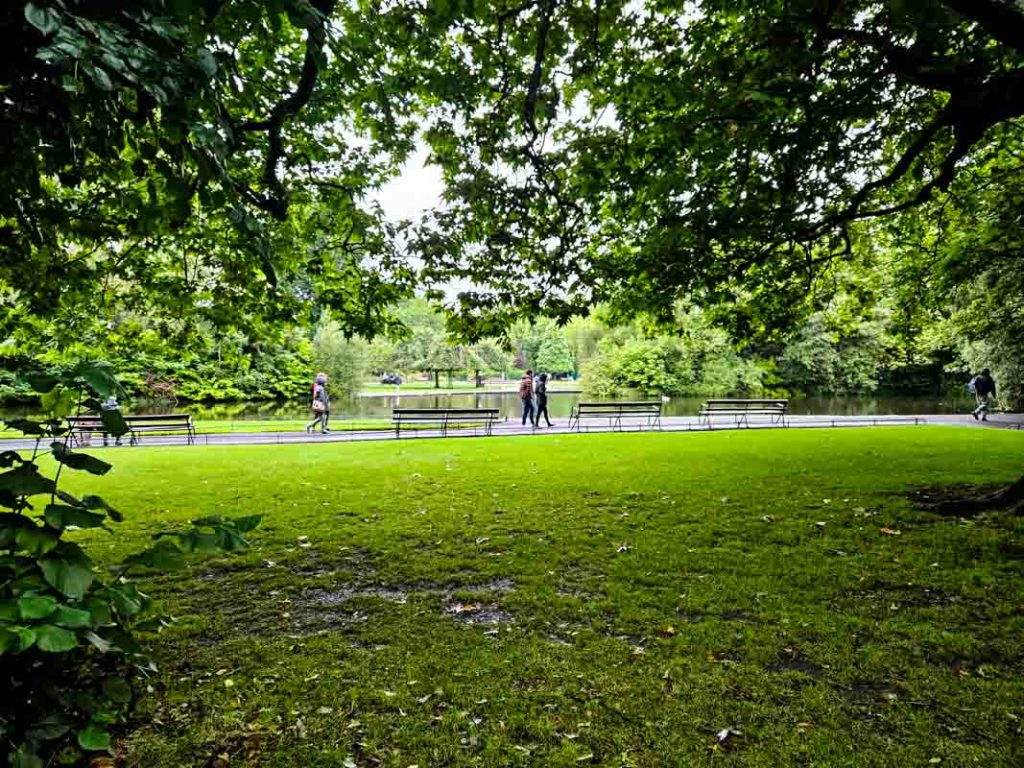
The Georgian squares and terraces around St Stephen’s Green and Merrion Square represent Dublin at its most elegant. Red-brick townhouses with colourful doors line these streets, while the parks themselves provide rare green space in the city centre. This is museum territory; the National Gallery, Natural History Museum, and National Museum all cluster here.
The neighborhood feels noticeably calmer than areas just a few blocks north, partly due to office workers departing evenings and weekends, partly due to the residential character of many streets. Even busy Baggot Street, lined with restaurants and pubs, maintains civility compared to Temple Bar’s mayhem.
Accommodation tends toward the luxurious, with hotels like the Conrad, the Shelbourne Hotel, and the Davenport occupying prime positions. Two of the best 5-star Dublin hotels with swimming pools are located in this area of the city.
Guesthouses in converted Georgian homes offer character-filled alternatives. Some of Dublin’s best restaurants hide in these streets, from The Ivy to The Pig’s Ear.
This area particularly suits couples seeking romantic city breaks, culture enthusiasts planning museum days, and business travelers wanting prestigious addresses. Families might find it too formal, while budget travelers will struggle with prices. Young nightlife seekers should look elsewhere; the pubs here close promptly at standard hours.
The Liberties – Best Area to Stay in for Culture and Breweries
Best for: culture, history, Guinness lovers
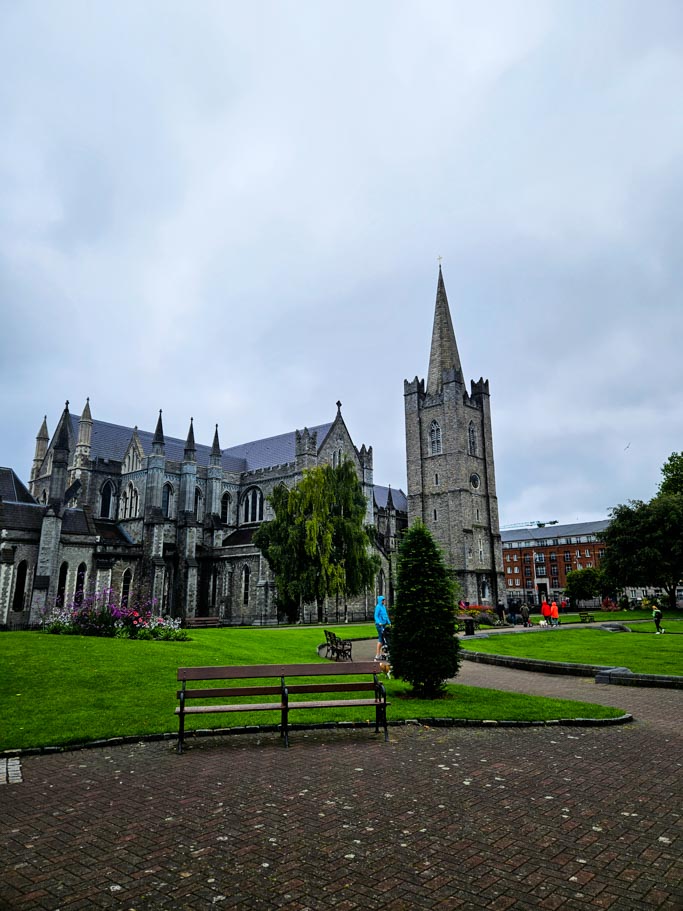
The Liberties preserves working-class Dublin character, increasingly rare elsewhere in the city centre. This ancient neighborhood, stretching from Christ Church Cathedral to the Guinness Storehouse, mixes medieval churches, traditional pubs, antique shops, and new apartment developments in fascinating ways.
Staying here means experiencing authentic Dublin life. Thomas Street’s traders sell fruit and household goods as they have for generations. The Brazen Head, Dublin’s oldest pub, serves pints without tourist markup. St Patrick’s Cathedral and Christ Church Cathedral both stand within walking distance, as does the sprawling Guinness complex that dominates the western skyline.
The neighborhood is transforming rapidly, with new hotels like the Hyatt Centric joining traditional B&Bs. Yet change happens unevenly. Some streets gleam with renewal while others await investment. This creates interesting contrasts but requires careful accommodation selection.
The Liberties appeals to travelers seeking a genuine Dublin atmosphere, and Guinness enthusiasts (the Storehouse is a five-minute walk). It’s less suitable for luxury seekers, families with young children (limited child-friendly amenities), or those uncomfortable with urban grittiness. Some streets feel isolated after dark.
Smithfield – Best Budget Area to Stay in Dublin
Best for: value, modern stays, Luas access
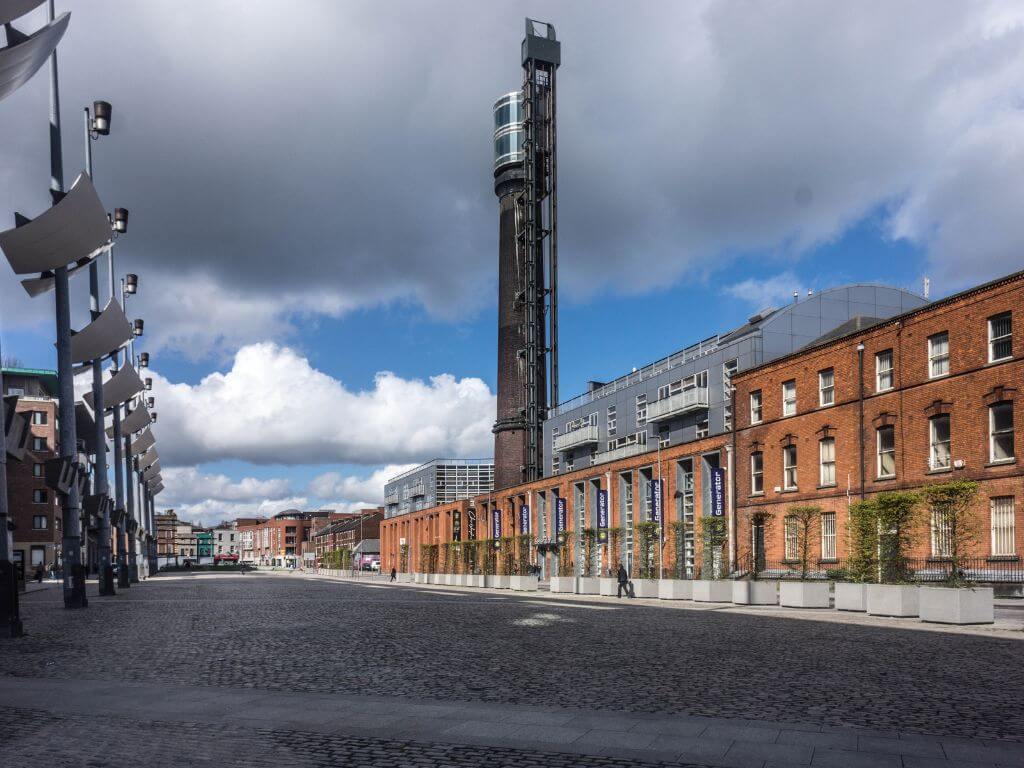
Smithfield, once Dublin’s horse market and working-class northside neighborhood, now showcases the city’s modern ambitions. The old market square hosts weekend food markets, the former Jameson Distillery draws whiskey enthusiasts, and new apartment buildings provide contemporary accommodation options often overlooked by tourists.
The neighborhood’s appeal lies in its combination of value and convenience. Hotels and apartments here cost significantly less than equivalent city-centre options, while the Luas red line reaches Temple Bar in seven minutes. You’re also perfectly positioned for Phoenix Park, Europe’s largest enclosed park, ideal for morning runs or afternoon cycles.
Smithfield attracts Dublin’s young professionals, creating a local dining and bar scene refreshingly free of tourist prices. The Cobblestone remains one of Dublin’s best traditional music venues. The Light House Cinema screens arthouse films that tourists rarely discover.
This area suits return visitors who know Dublin’s geography, budget-conscious travelers willing to use public transport, and those staying longer who appreciate neighborhood atmosphere over tourist convenience. First-time visitors might find it too disconnected from major sights, while luxury seekers won’t find appropriate accommodation options.
Docklands (Grand Canal Dock & IFSC) – Best Area to Stay in Dublin for Business and Concerts
Best for: modern hotels, business travelers, longer stays
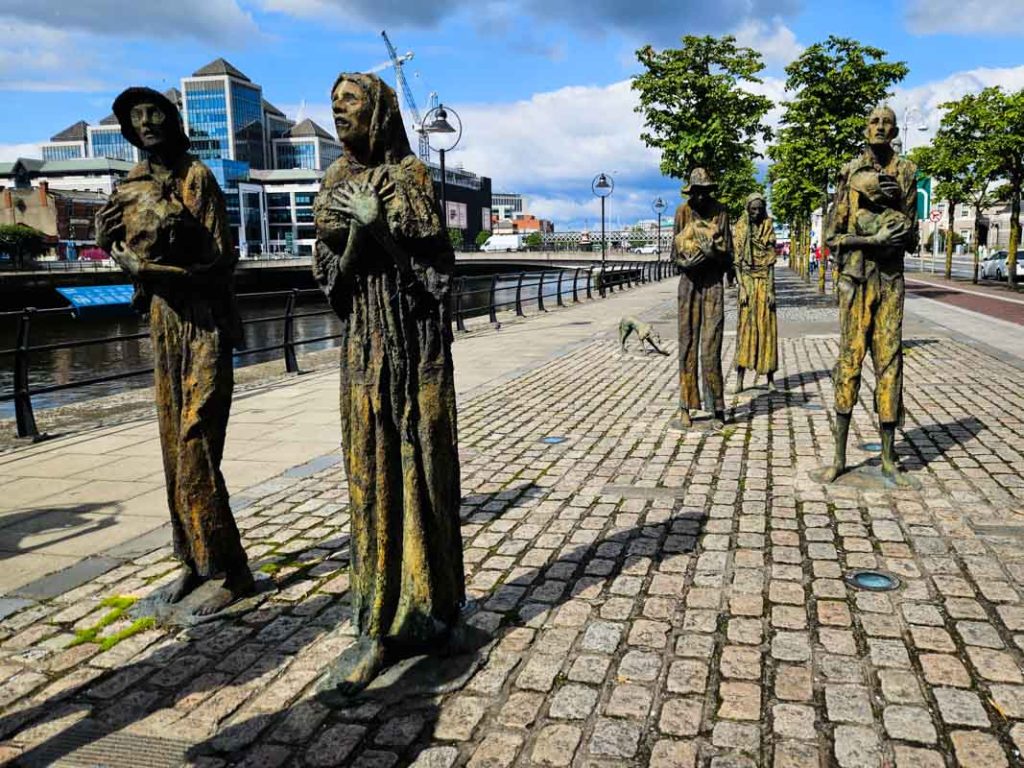
Dublin’s Docklands present a completely different city from the Georgian squares and medieval streets elsewhere. Glass office towers housing tech giants like Google and Facebook rise above renovated warehouses containing restaurants and cultural venues. The Grand Canal Basin provides waterfront dining and morning kayaking opportunities unique in Dublin.
Hotels here are contemporary and corporate. These include the Marker, the Gibson, and the Spencer, two of which are Dublin hotels with swimming pools. Serviced apartments cater to extended stays, popular with relocating tech workers. The area bustles during weekdays with office workers but empties dramatically on weekends, creating an unusual atmosphere some find peaceful, others ghostly.
The Docklands excel for specific needs: business travelers attending conferences, visitors to the 3Arena for concerts, or those preferring modern amenities over historical character. The DART and Luas provide good transport links, though walking to Temple Bar takes 25-30 minutes.
Choose the Docklands if you appreciate contemporary architecture, need extended-stay facilities, or attend events at the nearby venues. Avoid it if you’re seeking traditional Dublin character, want to walk to most attractions, or prefer neighborhood life on weekends. The area’s newness means it lacks the layers of history that make other Dublin neighborhoods fascinating.
Ballsbridge – Best Area for Upscale Stays and Sporting Events
Best for: upscale stays, Aviva Stadium events, embassy area
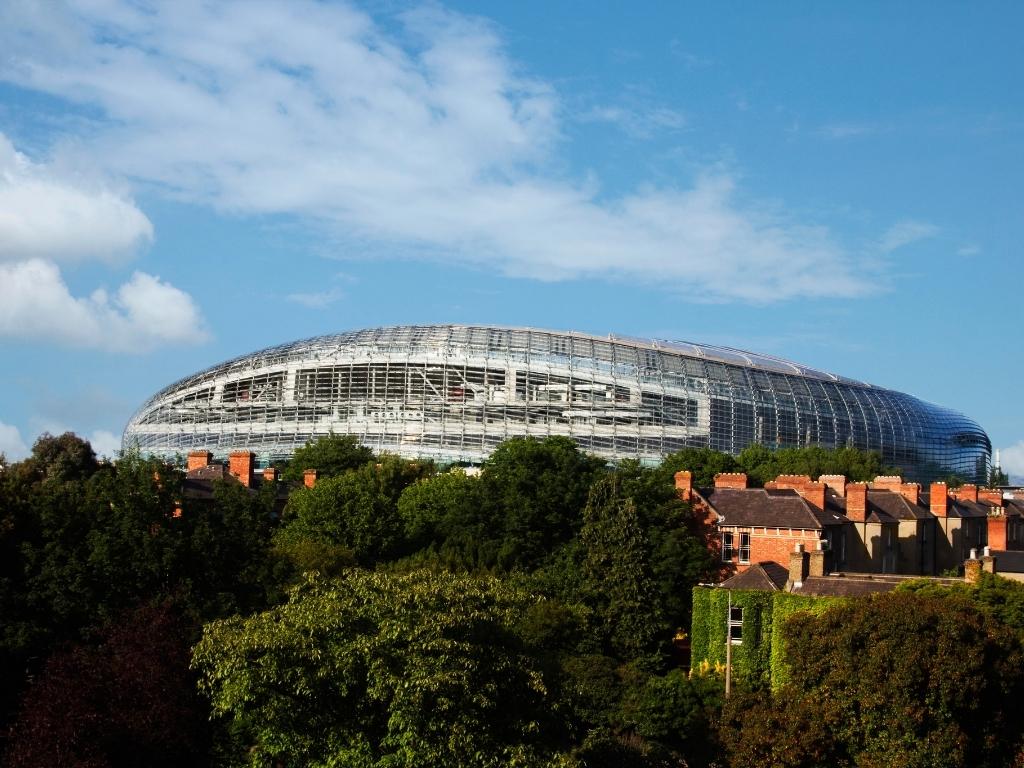
Ballsbridge epitomizes Dublin’s southside affluence with tree-lined streets, Victorian red-brick houses, and embassies occupying former mansions. The neighborhood maintains its prestige while offering surprising variety, from the modern Aviva Stadium to the traditional Herbert Park.
Hotels here include Dublin institutions like the InterContinental and the Clayton Burlington, offering space and facilities rare in the compact city centre. The RDS hosts major events from horse shows to concerts, while the Aviva Stadium (formerly Lansdowne Road) rugby matches create electric atmospheres on international weekends.
The seaside sits just 15 minutes away via DART, making beach walks possible before breakfast. Herbert Park provides playground facilities and weekend markets appealing to families. The neighborhood’s restaurants and pubs cater more to locals than tourists, keeping prices reasonable and quality high.
Ballsbridge suits families needing space and facilities, sports fans attending matches, and those preferring leafy calm to urban energy. Business travelers appreciate the embassy district’s prestige. However, reaching city-centre attractions requires transport (15-minute DART ride or 30-minute walk), making it less ideal for first-time visitors focused on sightseeing.
Ranelagh & Rathmines – Best Areas to Stay in Dublin for Local Vibe
Best for: local vibe, food lovers, longer stays
These adjacent southside villages maintain distinct personalities while sharing Dublin’s best café culture and restaurant scene. Ranelagh tends to be slightly upmarket with wine bars and boutiques, while Rathmines attracts students and young professionals to its vintage shops and casual eateries.
Both neighborhoods excel at daily life pleasures often missing from tourist areas. Weekend farmers’ markets, independent bookshops, proper bakeries, and cool restaurants create authentic urban village atmospheres. The streets fill with families on Sundays, runners in the mornings, and restaurant-goers in the evenings.
Accommodation options favour apartments over hotels, making these areas ideal for longer stays or families needing kitchens. The Luas green line reaches St Stephen’s Green in 10 minutes from Ranelagh, providing easy city-centre access without the associated noise and prices.
Choose Ranelagh or Rathmines if you’re staying four or more nights, traveling with children, or prioritizing food experiences. They’re perfect for slow travelers wanting to experience Dublin life rather than just Dublin sights. Skip them if you need to walk to attractions, prefer hotel services to apartment independence, or have limited time focusing on major sights.
This is an area I often recommend to friends visiting the city who want a calmer base without losing easy access to the centre.
Drumcondra – Best Area in Dublin to Stay Close to the Airport
Best for: airport access, events at Croke Park
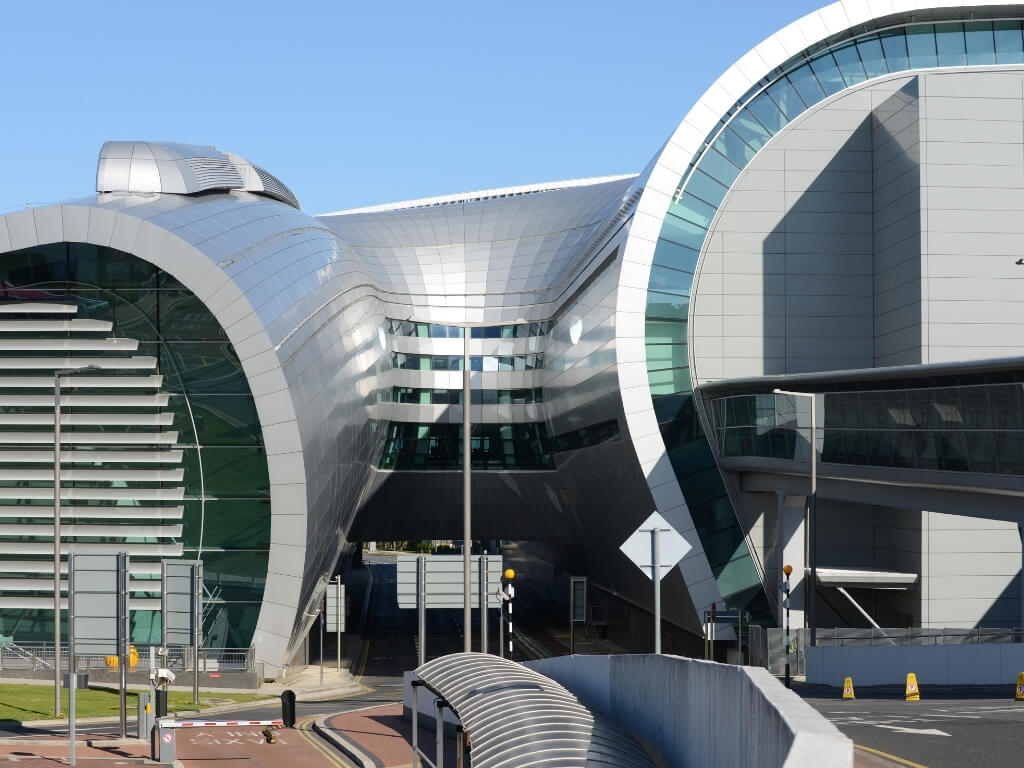
Drumcondra rarely appears in tourist guides, yet this northside neighborhood offers practical advantages for specific visits. Croke Park, Ireland’s largest stadium, dominates the skyline, making this the obvious base for GAA matches or stadium concerts. The airport bus stops here, cutting journey times to 15 minutes.
The neighborhood maintains a working-class Dublin character without tourist influence. Pubs show GAA matches to passionate local crowds, cafés serve builders alongside office workers, and shops cater to residents rather than visitors. Prices reflect this local focus; accommodation costs half what you’d pay in Temple Bar.
Hotels cluster along the main road, offering functional rooms rather than boutique experiences. B&Bs in Victorian houses provide character at budget prices. The area lacks restaurants beyond takeaways and pub food, though the city centre lies just 20 minutes away by bus.
Drumcondra works for airport stopovers, match-day accommodation, or budget-conscious visitors comfortable using buses. It’s particularly good for GAA fans wanting to experience match atmosphere with locals. Avoid it if you’re seeking walkable sightseeing, evening dining options, or any tourist amenities.
Best Areas to Stay in Dublin by Travel Style
First-time visitors
Stay in the Trinity College area or Temple Bar for maximum convenience. Everything you’ll want to see lies within walking distance, removing navigation stress and transport planning. The Trinity area provides the best balance of central location and manageable prices, while Temple Bar puts you in the absolute centre of tourist Dublin, noise and all.

Families visiting Dublin
Ranelagh or Ballsbridge offer the space, calm, and facilities families need. Both provide parks for energy release, family-friendly restaurants, and accommodation with kitchens or family rooms. The Luas from Ranelagh makes city-centre trips easy, while Ballsbridge’s DART access opens coastal excursions.
Couples & romantic trips
St Stephen’s Green and Merrion Square create romantic Dublin atmospheres with Georgian architecture, intimate restaurants, and evening strolls through lamplit squares. The Liberties offers character-filled alternatives for couples seeking authenticity over luxury, with traditional pubs and historical sites creating memorable experiences.
Nightlife & social travelers
Temple Bar remains the nightlife headquarters, despite the tourist crowds and inflated prices. Stay here or around Dame Street to stumble home after late nights. Camden Street and Wexford Street also cluster bars and clubs, with more local crowds and better music venues. I used to frequent the bars and clubs on these streets during my university years.
Budget travelers
Smithfield and Drumcondra stretch budgets furthest without sacrificing safety or basic comfort. Both connect easily to the city centre via public transport while charging significantly less for accommodation. The Liberties offers budget options closer to attractions, though quality varies more dramatically.
Luxury travelers
St Stephen’s Green and Merrion Square contain Dublin’s most refined hotels and restaurants. Ballsbridge offers spacious luxury with a residential feel. The Docklands provides contemporary five-star options for those preferring modern design to historical properties.
Where NOT to Stay in Dublin (Quick Reality Check)
Let’s be clear. This doesn’t mean the areas mentioned here are unsafe, but they often disappoint visitors expecting a central or atmospheric Dublin stay.
Areas along the north quays (Ellis Quay or Ormond Quay) seem central but feel isolated and windswept, lacking restaurants or evening atmosphere.
Parts of Mountjoy Square and Gardiner Street offer cheap accommodation but feel disconnected from Dublin life, with few amenities and uncomfortable evening atmospheres. The area around Heuston Station seems practical for train travelers but sits too far west for convenient sightseeing. Be aware of pickpockets in these areas.
Avoid booking accommodation purely based on price in areas you haven’t researched. That seemingly bargain hotel in Tallaght or Blanchardstown might save money, but will cost hours in commuting time and disconnect you from Dublin experiences, speaking from years of experience. Remember that cheap accommodation in inconvenient locations often costs more in transport and frustration than paying slightly more for better positioning.
How Long to Stay in Dublin & Where to Base Yourself
1-2 nights: Book accommodation in Temple Bar or Trinity College area. You’ll have minimal time, so walking to attractions matters more than accommodation cost or character. Focus on must-see sights within the city centre.
3-4 nights: Consider St Stephen’s Green or the Liberties for a balance of convenience and neighbourhood character. You’ll have time to explore beyond major sights, making local atmosphere more valuable while maintaining easy access to attractions.
Using Dublin as a base for day trips: Stay near Heuston or Connolly stations if planning multiple rail excursions by yourself. Smithfield works well for Heuston access (trains to Cork, Galway, Limerick), while the Docklands suit Connolly departures (Belfast, Sligo, Wexford). Otherwise, any central neighbourhood works since both stations connect via Luas and many tour operated day trips depart from either from O’Connell Street or near Grafton Street.
Getting Around Dublin From Your Neighborhood
Walking: Most city-centre neighborhoods (Temple Bar, Trinity, St Stephen’s Green, Liberties) allow walking to major attractions. Allow 20-30 minutes to cross the city centre on foot.

Luas: The tram system’s two lines serve different neighbourhoods. Green Line: Ranelagh to St Stephen’s Green. Red Line: Smithfield, Docklands through Abbey Street. Single tickets cost €2-3, day passes €7.
Bus: Dublin Bus serves all neighbourhoods but requires research for routes. The airport bus (Route 747) stops at multiple city-centre locations. Download the Dublin Bus app for real-time arrivals.
DART: The coastal train connects Ballsbridge and the Docklands with the city centre and seaside towns. Particularly useful for Howth or Bray excursions.
Airport access by area: Temple Bar and Trinity (30-40 minutes by Aircoach or bus), Drumcondra (15 minutes by bus), Smithfield and Docklands (25-30 minutes via connections), outer neighborhoods (45-60 minutes typically).
Frequently Asked Questions About Where to Stay in Dublin
Final Tips for Booking Accommodation in Dublin
Book accommodation at least 6-8 weeks ahead for summer visits (June-August) or during major events. Dublin’s accommodation supply hasn’t kept pace with tourist growth, creating shortage situations that spike prices.
Events that drive prices up include Six Nations rugby (February-March), St Patrick’s Festival (March 17), major concerts at Aviva or Croke Park, Web Summit (November), and December weekends. Check event calendars before booking to avoid surprise price surges.
Hotels provide traditional services and consistency, but cost more than apartments. Apartments offer space, kitchens, and neighborhood immersion but require more self-sufficiency. For stays under three nights, hotels simplify logistics. Longer stays benefit from apartment facilities and lower nightly rates.
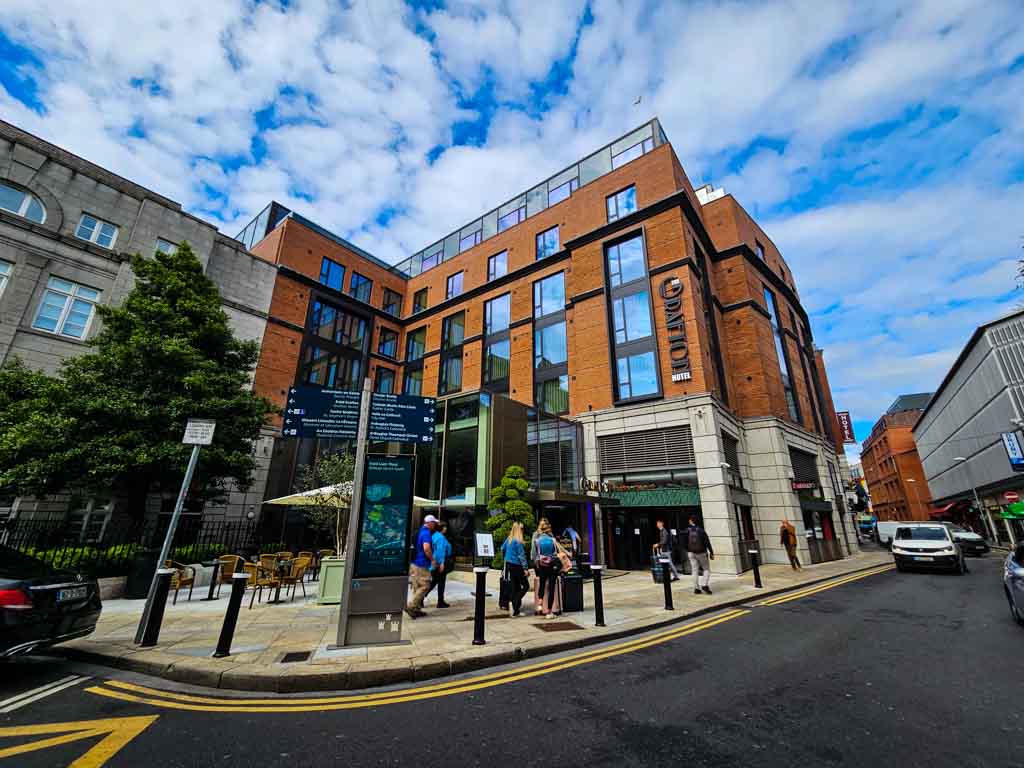
There’s no single “best” area to stay in Dublin – your ideal neighborhood depends entirely on your travel style, budget, and plans. Temple Bar puts you in the middle of everything, but guarantees noise and tourists at high prices. Ranelagh provides local atmosphere but requires transport to reach sights. The Docklands offer modern comfort but lack traditional character.
Choose your neighborhood based on how you want Dublin to feel during your visit. Prioritize convenience if you’re short on time, and always consider your tolerance for noise and crowds. Dublin rewards visitors who match their accommodation to their travel style rather than defaulting to the obvious tourist zones.
Once you’ve chosen your neighborhood, explore our other Dublin guides for planning your days, understanding transport, and discovering experiences beyond the obvious attractions.
Pin for later!



*This post contains affiliate links, which may include Amazon affiliate links. To read more about affiliate links, please visit my Disclosure Policy page.
Other Tips for Ireland
WHAT’S THE BEST WAY TO GET AROUND IRELAND?
If you are in a city, use the local public transportation system, especially in the Irish capital. Here is my guide to getting around Dublin.
If you’re going between cities or to smaller towns, you can usually take the train (I buy my tickets through Eurail or RailEurope).
In rural areas, train stations are rarer so you might want to rent a car, which is easy in Ireland (I use Rentalcars or Discovercars).
DO I NEED TRAVEL INSURANCE FOR IRELAND?
It depends. If your travel insurance already covers you in Ireland, then you’re all set. If not, head for VisitorsCoverage for everything travel.
WILL MY PHONE WORK IN IRELAND? WHAT ABOUT MY CHARGER?
You can use your roaming plan in Ireland. If you don’t have one, you can do one of several things (just make sure you have an unlocked phone).
You can order a SIM card before you get to Ireland.
You can buy a SIM card from a shop in Ireland.
You can buy an e-SIM.
WHAT SHOULD I PACK FOR IRELAND?
Here are a few essentials you should NOT leave home without:
Comfortable walking shoes. You’ll be on your feet a lot, and… cobblestones and mud.
Plugs are different in Ireland. So pack a universal travel adapter.
An anti-theft purse (this is the bag I use).
A good rain jacket (for summer) or coat (for winter) because rain is frequent in Ireland. It isn’t called the Emerald Isle for nothing!
WHAT’S THE BEST WAY TO BOOK A PLACE TO STAY IN IRELAND?
I use booking.com for my own travels around Ireland. Listings are extensive, including apartments, and cancellation policies generous.
