Ireland Landmarks Guide:
The Best Places to Visit Across the Emerald Isle
Ireland is a small island that punches far above its weight when it comes to landmarks.
In a single day’s drive, you can stand at a Neolithic passage tomb older than the Egyptian pyramids, walk the edge of 700-foot sea cliffs, and climb to the top of a lighthouse that has guided ships for over 800 years. The sheer density of history, natural beauty, and genuinely extraordinary places on this island is one of the things that makes it so special.
I’m Cath, an Irish native who grew up in Dublin and has been exploring Ireland my whole life. I have personally visited every category of landmark covered in this guide, from the famous to the genuinely obscure, and I have brought my own family to many of them.
The Hook Head Lighthouse in County Wexford, one of the oldest working lighthouses in the world, was a highlight of one of our family trips. So was the Dunbrody Famine Ship in New Ross, which gave my son a real, tangible sense of what Irish emigration during the Great Famine actually meant.
This guide covers the full range – iconic landmarks, natural wonders, historical sites, hidden gems, national parks, waterfalls, and lighthouses – so you can plan a trip that goes far beyond the postcard version of Ireland.
Who is this guide for?
This guide was written for:
- First-time visitors to Ireland who want to know which landmarks are worth the trip and which are overhyped
- Heritage travelers and Irish diaspora who want to connect with Ireland’s history and landscape in a meaningful way
- Families and independent travelers looking for a mix of iconic sites, hidden gems, and off-the-beaten-track discoveries
- Anyone who wants to go beyond Dublin and explore the extraordinary natural and historical landmarks that make the rest of Ireland so rewarding
The Most Famous Landmarks in Ireland
Ireland’s most famous landmarks are famous for good reason. These are the places that appear on every list, draw the biggest crowds, and genuinely deliver on their reputation. If this is your first trip to Ireland, these are the anchors around which to build your itinerary.
Iconic landmarks every visitor should know
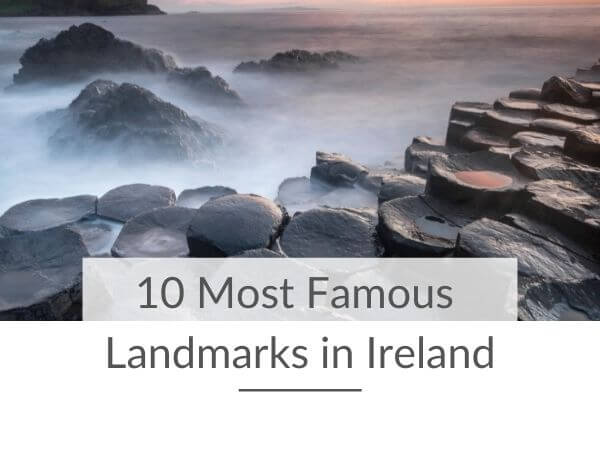
My guide to the most famous landmarks in Ireland covers the full list with practical visiting information, where each one is, how long to allow, and what to expect when you get there.
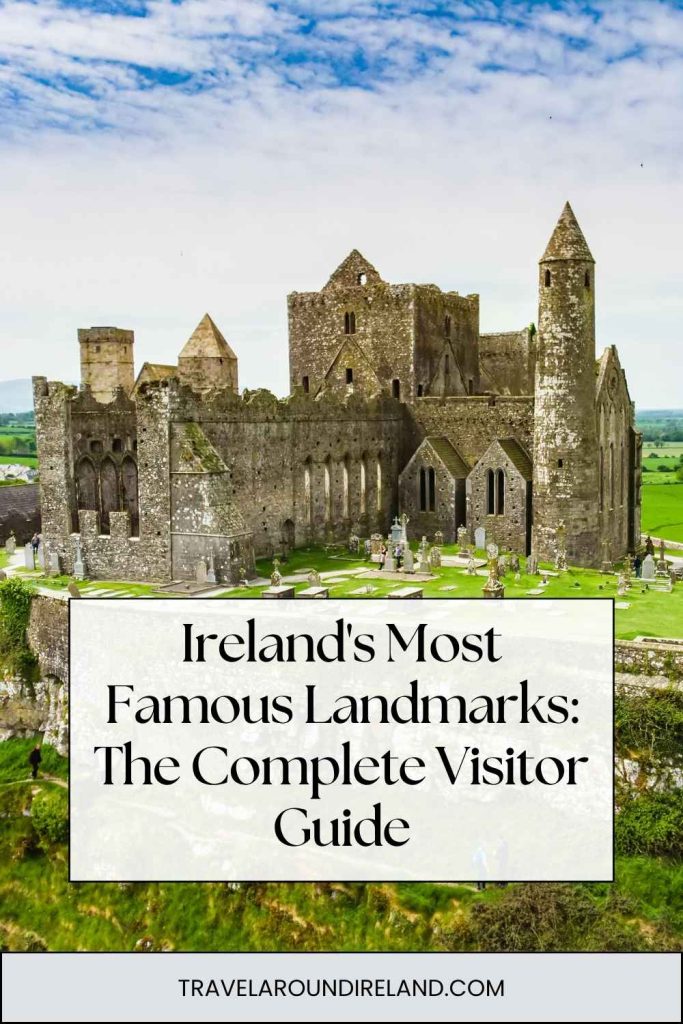
From the Cliffs of Moher to the Giant’s Causeway, Newgrange to the Rock of Cashel, these are the places that define Ireland in the imagination of visitors worldwide.
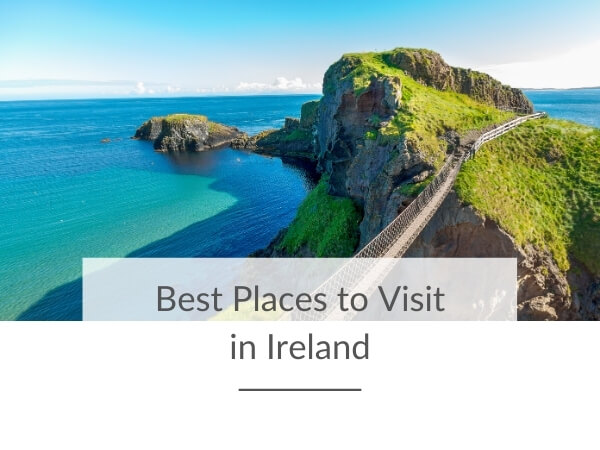
For a broader overview of the places that make Ireland worth visiting in the first place, the best places to visit in Ireland guide organizes the country’s highlights by region, so you can see at a glance what is near where you are planning to be.
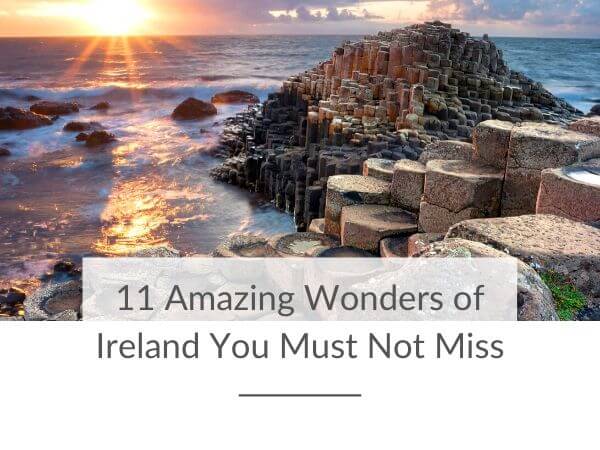
And if you want the truly unmissable – the sites that no visitor to Ireland should leave without seeing – the wonders of Ireland you must not miss is the place to start. These are not just tourist attractions. They are places that genuinely stop you in your tracks.
Cath’s Tip: Don’t try see every famous landmark in one trip!
Ireland’s iconic sites are spread across the entire island. Trying to tick them all off in a week means spending most of your time in the car. Pick two or three that genuinely excite you, go deep on those, and save the rest for next time. There is always a next time with Ireland.
Natural Landmarks in Ireland
Ireland’s natural landscape is extraordinary, shaped by millions of years of geology, the constant force of the Atlantic, and a climate that keeps everything a vivid, almost impossible shade of green. The natural landmarks here are not manicured or managed into submission. They are raw, dramatic, and often completely unexpected.
Natural wonders across the island
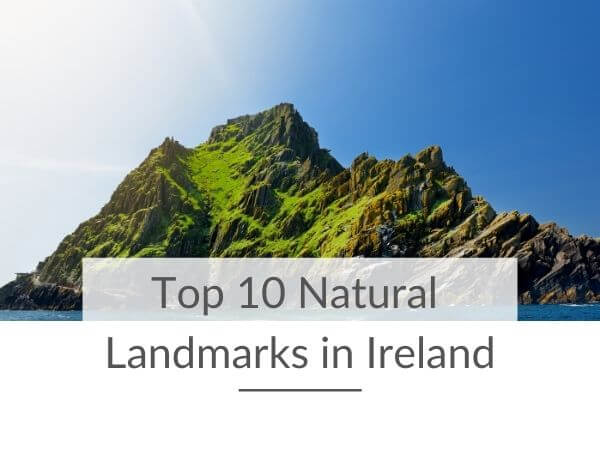
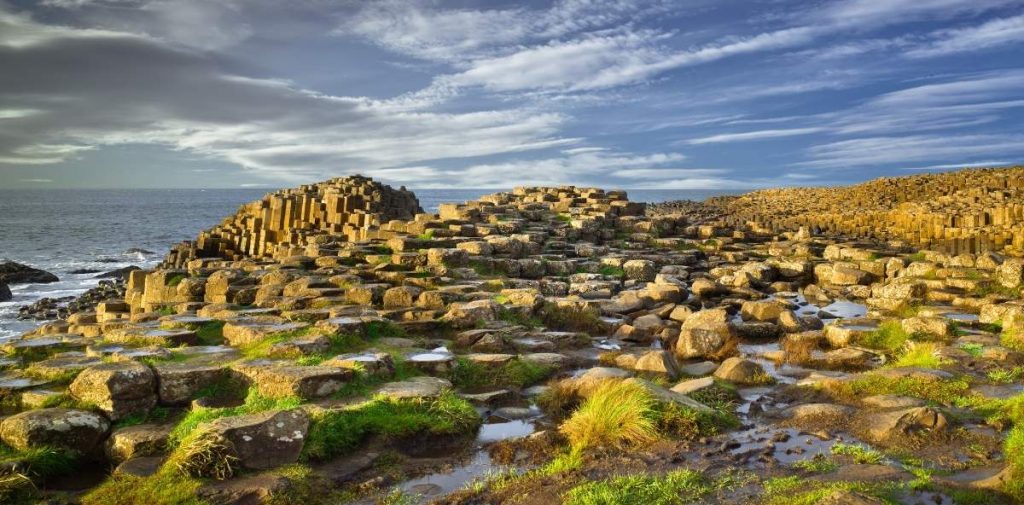
The natural landmarks in Ireland guide covers the landscapes, geological formations, and natural features that make Ireland unlike anywhere else in the world. The Burren in County Clare is a vast limestone plateau that blooms with wildflowers in spring. The Causeway Coast in Antrim has its extraordinary hexagonal basalt columns. The Twelve Bens of Connemara rise sharply from the bog. These are places that feel ancient in a way that goes beyond history.
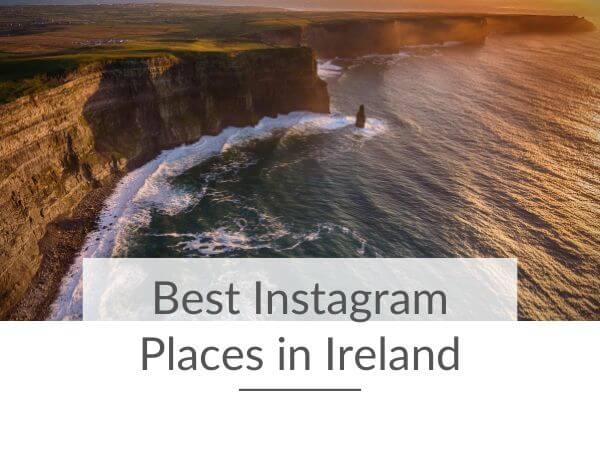
For the best of Ireland’s wild, outdoor beauty in one guide, instagrammable places in Ireland covers the most visually spectacular locations across the island, useful not just for photography but as a practical guide to Ireland’s most striking landscapes.
Waterfalls
Ireland has some genuinely beautiful waterfalls, mostly concentrated in the west and southwest where rainfall is heaviest and the terrain most dramatic.
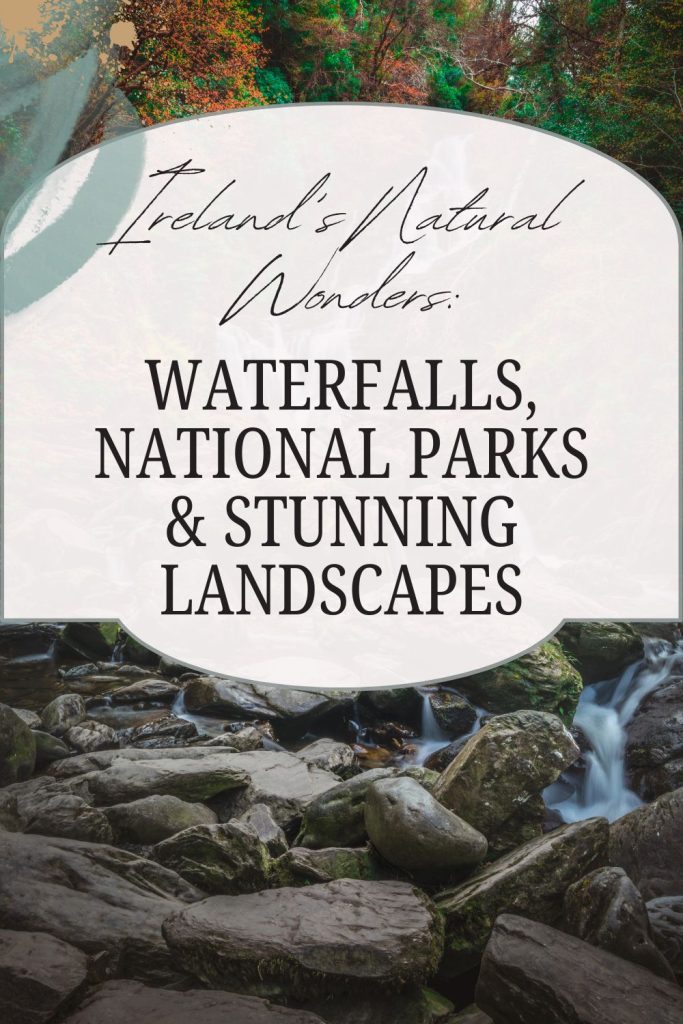
The best waterfalls in Ireland covers the most impressive, with practical information on how to reach them – some require a walk, others are roadside. Torc Waterfall in Killarney National Park is one of the most accessible and most beautiful. Powerscourt Waterfall in Wicklow is the highest in Ireland and worth the short detour from Dublin.
National parks
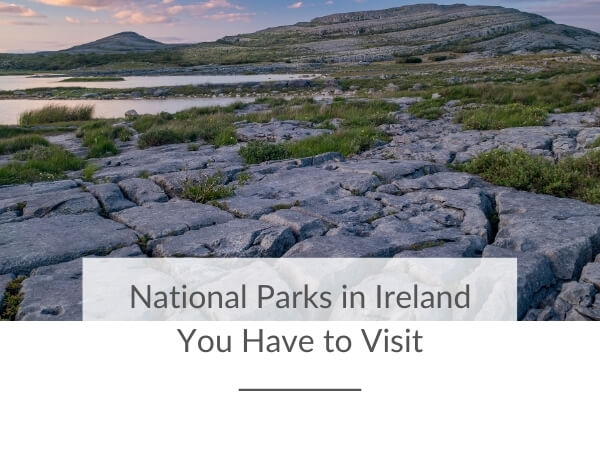
Ireland has six national parks, each with its own distinct character. National parks in Ireland you need to visit covers all six; Killarney, Glenveagh, Connemara, Ballycroy, Wicklow Mountains, and the Burren, with advice on what makes each one special, what to do there, and how long to allow.
If you are renting a car and have time to explore, the national parks offer some of the best and most uncrowded landscapes in the country.
Beaches and coastline
Ireland’s coastline is one of its greatest natural assets. The best beaches in Ireland and best coastal towns in Ireland guides cover the finest stretches of sand and the most rewarding seaside towns along both the Atlantic coast and the Irish Sea.
These are covered in depth in the Summer in Ireland guide, which is the best place to go if you are planning a beach-focused trip, but worth mentioning here because the Irish coastline is as much a natural landmark as any mountain or waterfall.
Historical Landmarks in Ireland
Ireland’s history stretches back over five thousand years, and the physical evidence of it is extraordinary.
Standing stones, monastic ruins, famine-era workhouses, Norman castles, and Neolithic passage tombs; the island is layered with history in a way that rewards slow, curious travel. Understanding a little of that history before you visit makes the landmarks themselves far more powerful.
Historical sites across the island
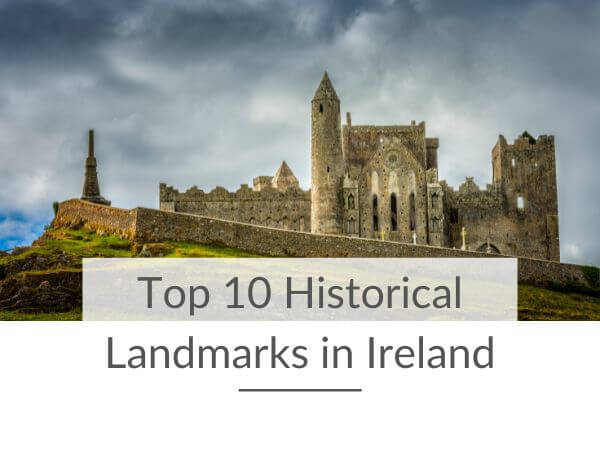
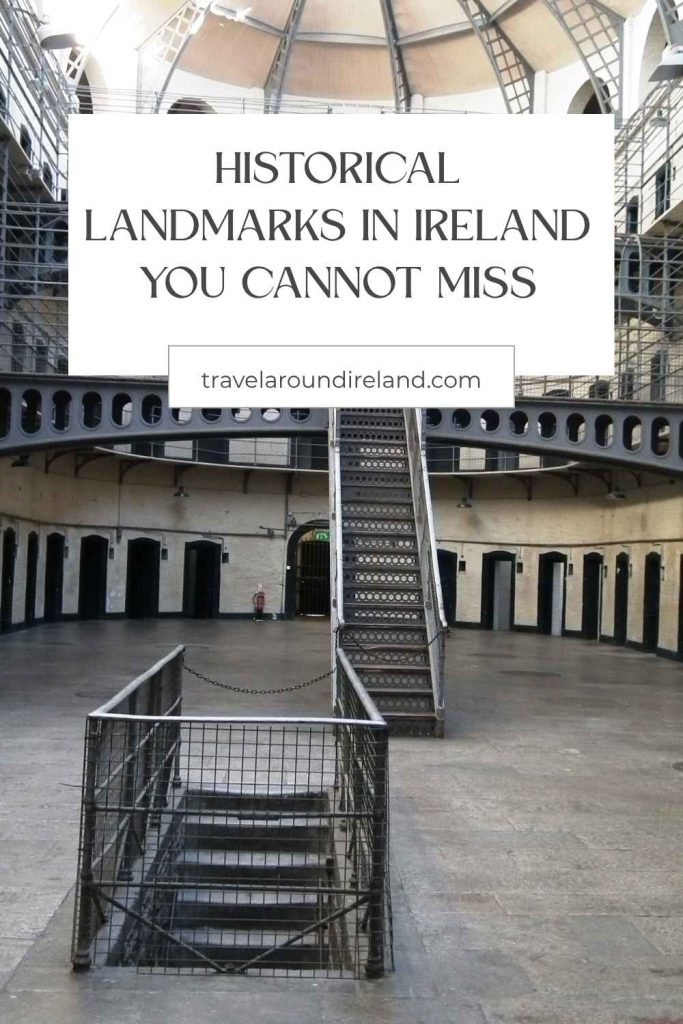
The best historical landmarks in Ireland guide covers the most significant historical sites across the Republic and Northern Ireland: from Newgrange and the Hill of Tara in the Boyne Valley to the Rock of Cashel in Tipperary and Kilmainham Gaol in Dublin. Each entry gives context as well as practical visiting information, so you understand what you’re looking at, not just that it’s old.
The Hook Head Lighthouse, County Wexford
One of my personal highlights from our family trips to Ireland is the Hook Head Lighthouse in County Wexford. Hook Lighthouse is one of the oldest working lighthouses in the world — a light has been maintained on this headland for over 800 years, originally by monks who lit fires on the cliff to warn ships away from the rocks.
The guided tour takes you to the top of the tower and gives you the full history of the lighthouse and the Hook Peninsula. We visited as a family, and it was genuinely one of the most memorable experiences of that trip.
The views from the top on a clear day are extraordinary, and the surrounding coastline is some of the most dramatic in the southeast. Plus, our guide John was really funny.
The Dunbrody Famine Ship, County Wexford
Also in County Wexford, and also from our own family visit, the Dunbrody Famine Ship in New Ross is one of the most moving and educational experiences in Ireland. This is a full-scale replica of an 1840s emigrant ship, the kind that carried Irish families across the Atlantic during the Great Famine, in conditions that are almost impossible to imagine.
The tour is immersive and actor-led, and it gives visitors, particularly those with Irish heritage, a visceral, emotional understanding of what emigration during the Famine actually meant.
It genuinely affected all of us, including my son, who came away with a completely different understanding of Irish history. If you are visiting County Wexford, do not miss it. And, I found my name among the travelers inside the ship!
Lighthouses of Ireland
Ireland has over 60 lighthouses, many of them perched on dramatic headlands, offshore rocks, and wild Atlantic promontories.
They are part of the fabric of Irish coastal life, built to guide ships through some of the most treacherous waters in Europe, and now among the most scenic and historically interesting attractions on the island. Several can be visited, toured, and in some cases even stayed in overnight.
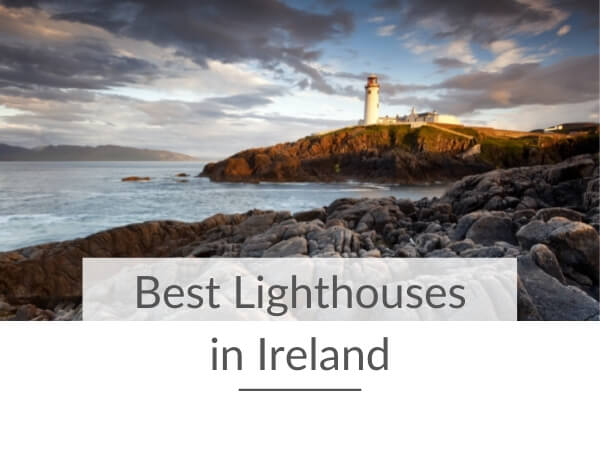
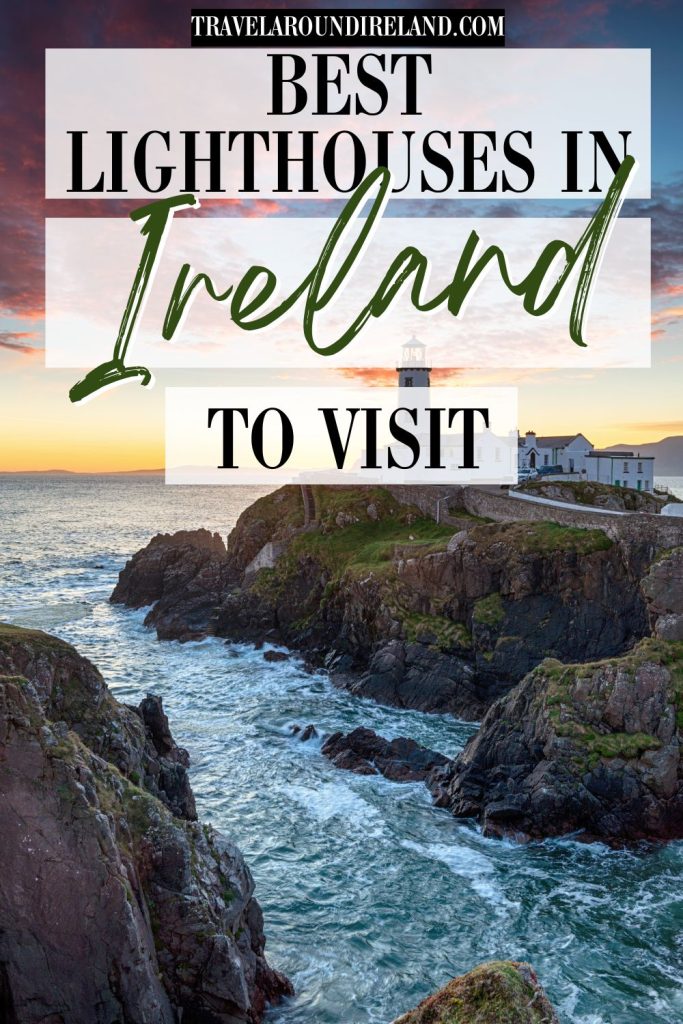
The best lighthouses in Ireland guide covers the finest examples around the coast, with information on which ones are open to visitors, which offer guided tours, and which are worth the drive simply for the scenery around them.
Hook Head is the standout for historical significance. Fanad Head in Donegal is arguably the most photographed. The Baily Lighthouse on Howth Head, visible from Dublin Bay, is one of the most accessible.
Hidden Gems in Ireland
For every Cliffs of Moher, there are a dozen places in Ireland that are just as extraordinary and almost entirely free of crowds.
The hidden gems are where Ireland’s magic really lives – the tiny ruined abbey at the end of a boreen, the deserted beach that doesn’t appear on any tourist map, the waterfall only the locals know about. Finding these places is one of the great pleasures of slow, curious travel through the country.
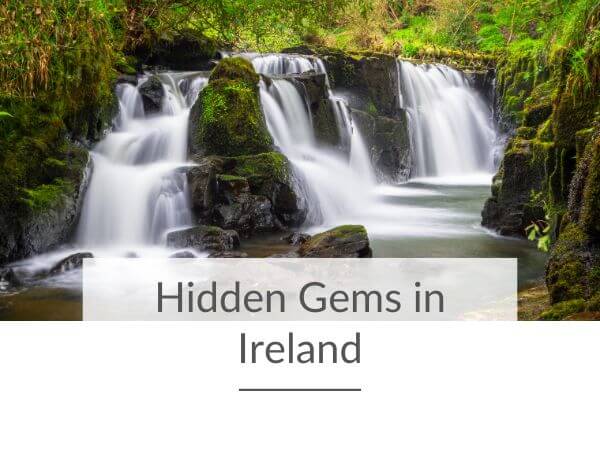
My hidden gems in Ireland guide covers the lesser-known sites, landscapes, and experiences that reward visitors who are willing to go a little further off the beaten track. These are places I have found through years of exploring the country, not through a guidebook, but through local knowledge and genuine curiosity.
For the places in Ireland that are both spectacular and photogenic, instagrammable places in Ireland includes a number of less-visited locations alongside the famous ones, useful for finding beauty without the crowds.
Planning Your Landmark Visit
A few practical things worth knowing before you set off to explore Ireland’s landmarks.
You need a car for most of them
The vast majority of Ireland’s best landmarks are not accessible by public transport. A rental car is not optional if you want to explore beyond Dublin, the Cliffs of Moher tour buses, and the Ring of Kerry coaches. The Getting Around Ireland guide covers everything you need to know about driving in Ireland, car rental, and navigating rural roads.
Allow more time than you think
Irish roads are narrow and winding, and the driving times between landmarks are almost always longer than Google Maps suggests. A route that looks like an hour on the map regularly takes 90 minutes in reality, particularly on the west coast. Build in extra time and resist the temptation to pack too many sites into a single day. The experience of arriving unhurried is worth the sacrifice of one extra stop.
Book popular sites in advance
Newgrange, Kilmainham Gaol, and the Cliffs of Moher visitor center all require advance booking in peak season (June to August). The Ireland Travel Planning guide covers what needs to be booked ahead and what can be left to spontaneity.
Mix famous and hidden
The best Ireland itineraries balance the landmark sites with the hidden ones. Seeing Newgrange in the morning and a deserted beach or ruined abbey in the afternoon is more satisfying, and more authentically Irish, than spending all day in a queue at the Cliffs of Moher car park. Let the famous landmarks anchor your route, and fill the space around them with exploration.
Ready to Explore Ireland’s Landmarks?
Start with the Ireland Travel Planning guide to build a realistic itinerary around the landmarks you want to visit. From there, the Ireland Itineraries hub has ready-made route suggestions for trips of different lengths, many of which are built around landmark clusters.
If you’re heading to a specific part of the country, browse the Destinations page for county-by-county guides that will tell you exactly what to see, do, and where to stay in each region.
Ireland rewards the curious traveler. Go slowly, stop often, and don’t be afraid to take the road that doesn’t appear on the map. Some of the best things I have ever found in Ireland were completely unplanned.
Read each article by clicking on the relevant image below: