Irish Culture & Practical Travel Information
Everything You Need to Know Before You Visit Ireland
Planning a trip to Ireland is exciting – but it’s easy to feel underprepared when you don’t know what to expect. What’s the tipping culture? Will your plugs work? What on earth does ‘grand’ actually mean? And how do you even begin to understand a history that shaped everything from the landscape to the language?
I’m Cath, an Irish native who grew up in Dublin and has spent the past eight years writing about Ireland for international visitors. This guide covers everything you actually need to know – the culture, the practical logistics, the food, the language, and the folklore – so you arrive informed, confident, and ready to get the most out of your time on the Emerald Isle.
Use the sections below to jump to whatever you need, or read it all the way through if you want a proper grounding in what makes Ireland the place it is.
- Who is this guide for?
- Section 1: Understanding Ireland
- Section 2: The Irish Language, Slang & Humor
- Section 3: Irish Folklore & Mythology
- Section 4: Irish Names
- Section 5: Irish Food, Drink & Pub Culture
- Section 6: Shopping & Souvenirs
- Section 7: Practical Travel Information
- Irish Culture and Practical Information FAQs
- Ready to Plan Your Trip to Ireland?
Who is this guide for?
This guide was written for:
- Irish diaspora and heritage travelers who want to reconnect with Irish culture, language, and traditions in a meaningful way.
- First-time visitors to Ireland who want to understand the culture, customs, and practical logistics before they arrive, so there are no surprises once you land.
- Returning visitors who want to go deeper than the highlights and experience Ireland more authentically.
- Anyone who has ever Googled “do I need to tip in Ireland,” “what plug adapter for Ireland,” or “what does grand actually mean” – this is your one-stop answer.
Section 1: Understanding Ireland
Before you visit any country, it helps to understand a little of what makes it tick. Ireland is a small island with a disproportionately large identity. Shaped by thousands of years of history, it has a complicated relationship with its nearest neighbor, and a culture that manages to be both deeply proud and entirely self-deprecating at the same time. Start here.
What is Ireland, exactly?
If you’re new to Ireland, a few things are worth clarifying upfront. Ireland is an island divided into two distinct jurisdictions: the Republic of Ireland (an independent country) and Northern Ireland (part of the United Kingdom). They share a land border, a landscape, and a great deal of history, but they are not the same place, politically or practically. My guide to Ireland vs Northern Ireland explains the differences clearly, including what it means for things like currency, border crossings, and phone roaming.
A question that confuses a lot of visitors: is Donegal in Northern Ireland or the Republic? The answer is the Republic, but it borders Northern Ireland on three sides, which is why people get confused. Worth knowing before you plan a west coast route.
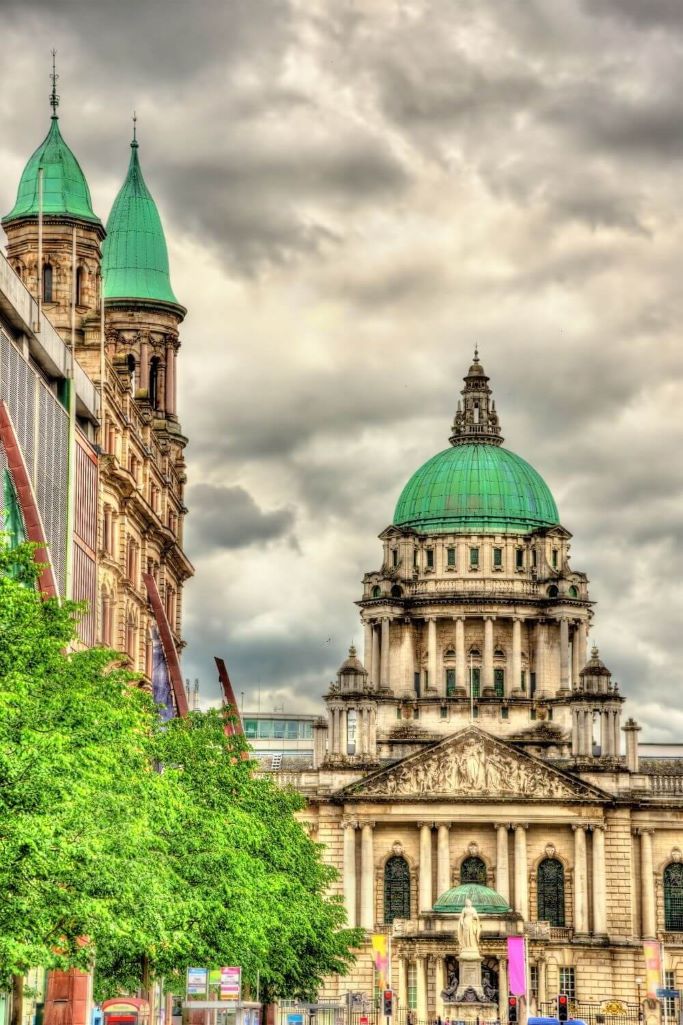
Ireland also has two capitals: Dublin in the Republic and Belfast in Northern Ireland. Both are worth visiting and both feature throughout this site.
Key facts about Ireland
Not sure how big Ireland is? Smaller than you think. It is roughly the size of Indiana or the island of Newfoundland. That said, narrow roads, dramatic landscapes, and a genuine culture of stopping to photograph another scene means it takes longer to get around than the map suggests.
For a grounding in everything from ancient monuments to modern quirks, my post on interesting facts about Ireland is a good starting point. And if you are still asking yourself why Ireland deserves a place on your travel list, the best reasons to visit Ireland will sort that out quickly.
Ireland goes by several affectionate titles; the Emerald Isle being the most famous. For the full list and the stories behind them, see nicknames for Ireland.
A brief history of Ireland
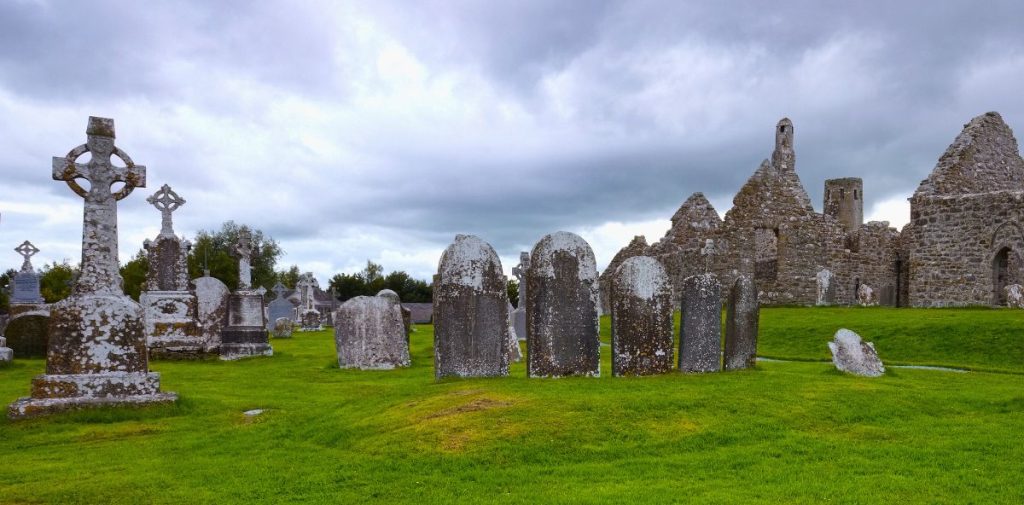
Ireland’s history is long, layered, and essential to understanding the country you’re visiting. From the passage tombs of Newgrange (older than the Egyptian pyramids) to the Great Famine, the fight for independence, and the decades of conflict in Northern Ireland, history is woven into the landscape and the people in ways you’ll notice everywhere. My brief history of Ireland gives you the context you need without drowning in dates.
And if you want to know what the Irish are known for beyond the stereotypes – the storytelling, the music, the warmth, the wit – that post covers the real cultural traits that make the Irish so distinctively themselves.
Section 2: The Irish Language, Slang & Humor
English is the primary language of Ireland, but it is Irish English, and that is a different thing entirely. The Irish have a unique way with words: lyrical, indirect, often sarcastic, and frequently hilarious. A little knowledge of the language and slang goes a long way. It will help you understand what people are actually saying, avoid misunderstandings, and get far more out of conversations with locals.
The Irish language
Ireland has two official languages: English and Irish (Gaeilge). What language do they speak in Ireland? covers everything you need to know, where Irish is spoken as a first language, what you will see on road signs, and a few phrases that will earn you instant goodwill.
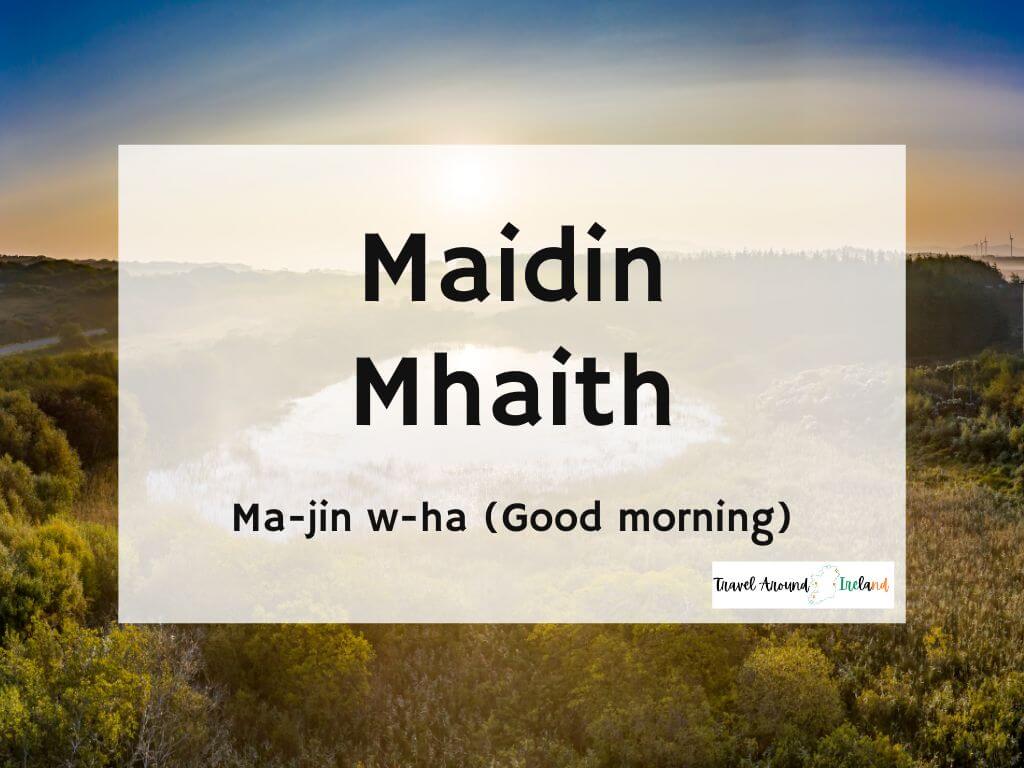
One easy one to start with: how to say good morning in Irish. Maidin mhaith. You’re welcome.
Irish slang
‘Grand’ does not mean impressive – it means fine, okay, acceptable. ‘Fierce’ means very. ‘Your man’ means that guy over there. My guide to Irish slang words and phrases is the most useful thing you can read before landing in Dublin. Because believe me, once you step off that plane it can often feel like the people are speaking a different language even though they are speaking English!
For something lighter, 101 Irish mammy sayings captures the particular genius of the Irish mother. The Irish mammy, as we like to refer to mothers, is a figure of enormous cultural significance and devastating accuracy. If you grew up with an Irish mammy, half of these will make you call home immediately. And you know you’re Irish when… will either resonate deeply or explain a great deal about the Irish people you encounter.
Think you’ve picked up enough Irish slang to get by? Test yourself with the Irish slang quiz – it’s harder than it looks.
Irish humor and culture
The Irish have a well-earned reputation for wit, wordplay, and a pleasingly dark sense of humor. Weird laws in Ireland is a good illustration, some of which were news even to me, and I grew up there.
Section 3: Irish Folklore & Mythology
Ireland has one of the richest folklore traditions in Europe, and it’s not just leprechauns and four-leaf clovers. The mythology is ancient, complex, and genuinely fascinating, and once you know a little of it, you start seeing it everywhere: in place names, in festival customs, in the stories people still tell. It adds an entirely different dimension to visiting ancient sites, walking coastal paths, and exploring rural Ireland.
Creatures, myths and folklore
The Irish mythological creatures guide covers the full cast; from the Banshee to the Púca, the Selkie to the Merrow. These are not fairy tale characters for children; they are figures from a pre-Christian mythology that shaped how the Irish understood the natural world for thousands of years.
The Banshee deserves her own entry. What is a banshee? covers the mythology, the history, and why the wailing woman of Irish folklore is both terrifying and strangely poignant.
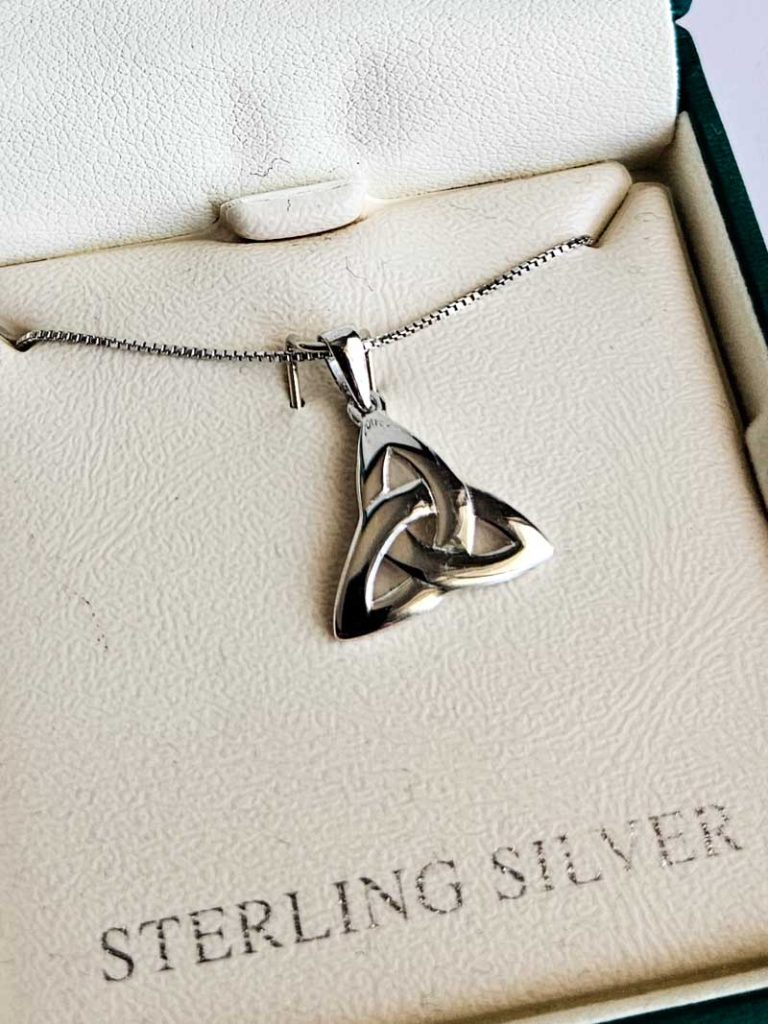
Celtic symbols are another layer of this. You will see them everywhere in Ireland, on jewelry, on ancient stones, on pub signs. My guide to Celtic symbols and their meanings explains what they actually mean, from the Trinity Knot (pictured below) to the Claddagh.
Irish festivals
Ireland’s festival calendar is one of the best in Europe, with music, food, literature, film, and a dozen traditions that have been running for centuries. The best festivals in Ireland guide covers the highlights across the year, from the Galway Arts Festival to the Lisdoonvarna Matchmaking Festival.
Ireland on screen
Ireland has inspired a remarkable body of cinema, and visiting filming locations is one of the great pleasures of exploring the country. Best movies set in Ireland covers the films and where they were made, from The Quiet Man to Normal People to Banshees of Inisherin.
Want to test your knowledge of Ireland’s most iconic landscapes? The Irish county by landmark quiz is a fun way to sharpen up before you go.
Section 4: Irish Names
Irish names are beautiful, distinctive, and notoriously tricky to pronounce if you haven’t grown up with them. Caoimhe is pronounced Kwee-va. Tadhg is Tige. Siobnán is Shih-VAWN. Once you know the rules, it starts to make sense.
The best Irish boys’ names and best Irish girls’ names guides cover the most popular and most beautiful Irish names, with pronunciation guides included.
I am building out a full Irish Names resource covering names by letter of the alphabet. So, if you are looking for a specific letter, the growing collection is linked below.
- Irish boys’ names beginning with A
- Irish girls’ names beginning with A
- Most popular Irish names beginning with A
- Irish boys’ names beginning with C
- Irish girls’ names beginning with C
- Most popular Irish names beginning with C
More letters will be added regularly. If you have a particular letter in mind, get in touch and let me know what it is so I can write it next!
Section 5: Irish Food, Drink & Pub Culture
Food and drink are central to the Irish experience, and Irish pub culture in particular is something that cannot be replicated anywhere else in the world. It is not just about the drink; it is about the conversation, the music, the warmth, and the particular atmosphere that only an Irish pub delivers. Knowing what to eat, what to drink, and how to navigate an Irish pub makes a real difference to your trip.
What to eat in Ireland
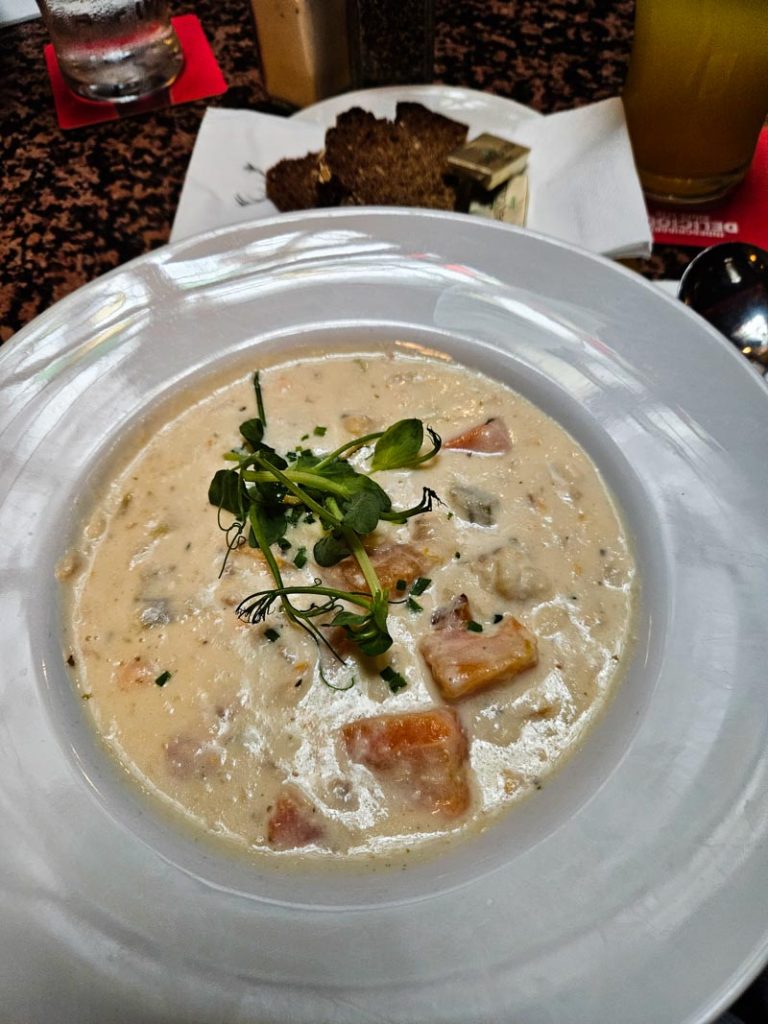
Irish food has undergone a quiet revolution over the past two decades. The country now has a seriously impressive food scene alongside its traditional classics. My guide to what to eat in Ireland covers the dishes you should not leave without trying, from seafood chowder (pictured below) to soda bread to the perfect Irish stew.
The traditional Irish breakfast deserves its own mention. A full Irish – sausages, rashers, black and white pudding, eggs, toast, and a strong cup of tea – is one of the great pleasures of visiting the country. It is also the best possible way to start a day of driving around the west coast.
Pub culture and what to order
The Irish pub is an institution. Whether you’re in a city bar in Dublin or a thatched pub in Connemara, the same rules apply: take your time, start a conversation, and know what to order in an Irish pub. The guide covers everything from Guinness (yes, it really does taste better in Ireland) to Irish coffees, to what food is worth ordering.
Irish whiskey and distilleries
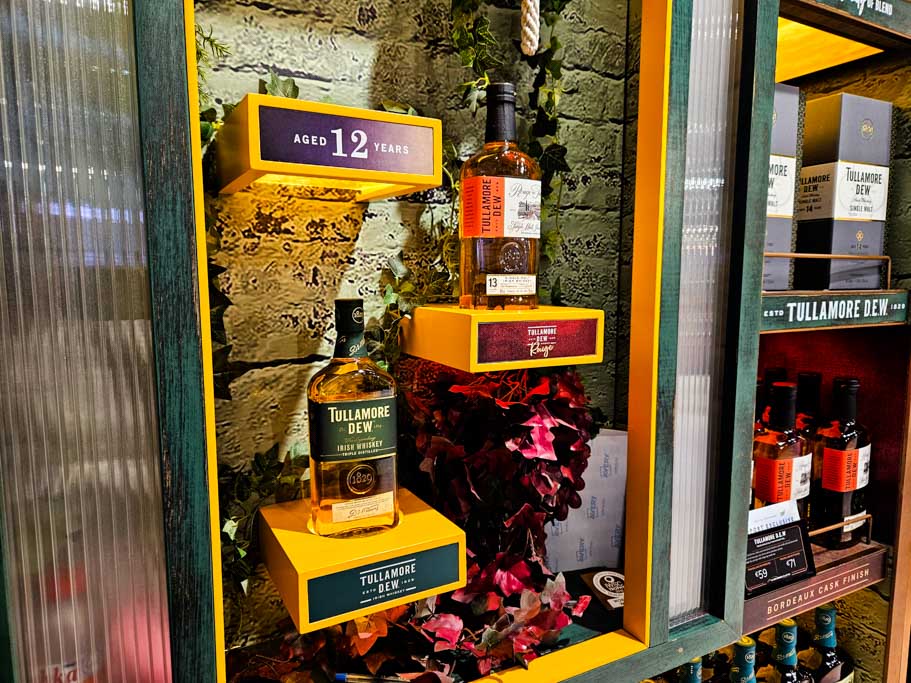
Ireland is one of the great whiskey-producing nations, and unlike Scotch, Irish whiskey is triple-distilled, giving it a smoother, lighter character. If whiskey is your thing, the best distilleries in Ireland guide covers the best places to visit, from the famous to the underrated.
Section 6: Shopping & Souvenirs
Ireland has a strong tradition of craftsmanship; Aran knitwear, Waterford crystal, Belleek pottery, handmade jewelry inspired by Celtic design. There is also, it should be said, a significant amount of tourist tat (junk). Knowing the difference saves you money and ensures you come home with something worth keeping. There is nothing wrong with the tat, I am guilty of buying plenty in my time!
My guide to the best souvenirs from Ireland covers what is genuinely worth buying, where to find quality Irish-made products, and what to avoid.
A dedicated guide to shopping in Dublin – covering the best areas, markets, and independent shops – is coming soon.
Section 7: Practical Travel Information
Ireland is a straightforward country to visit, but there are a handful of practical things worth knowing before you arrive. Get these sorted in advance and your trip will run much more smoothly.
Money, costs and budgeting
Ireland uses the Euro in the Republic and Pound Sterling in Northern Ireland – worth noting if you are crossing the border. Is Ireland expensive? gives you a realistic picture of what to budget, from accommodation to food to entrance fees.
If budget is a concern, how to travel Ireland on a budget and ways to save money in Ireland both have practical, specific advice, not generic tips you’ve read a hundred times before.
Card payments are widely accepted across Ireland, but do you need cash in Ireland? covers the situations where having bills on you still matters, with smaller towns, markets, and older pubs being the main ones.
Tipping in Ireland is less rigid than in the United States but more expected than in much of Europe. The guide to tipping in Ireland covers restaurants, taxis, hotels, and tours so you know what is appropriate without over- or under-tipping.
Electricity, water and practical logistics
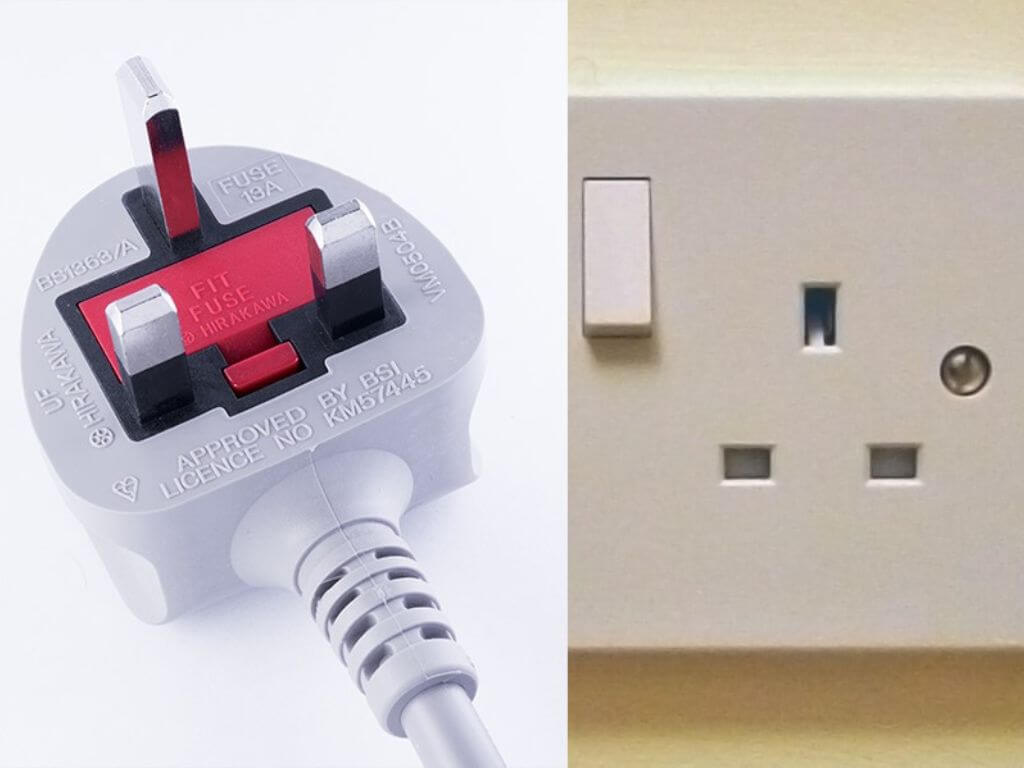
Ireland uses Type G plugs – the same large three-pin plug used in the UK. If you are traveling from Europe or North America, you will need an adapter. The Ireland power plugs guide covers voltage, adapter types, and what to pack.
The drinking water in Ireland guide answers a question more visitors ask than you might expect; tap water in Ireland is safe to drink throughout the country.
Ireland’s weather is famously changeable, but it rarely gets truly cold or truly hot. Does it snow in Ireland? answers that question with the nuance it deserves – yes, occasionally, particularly inland and in winter, but not reliably and rarely for long.
A few things will mark you out as a tourist in Ireland, and not always in a flattering way. What not to do in Ireland covers the genuine cultural missteps to avoid, from how to behave in a pub to things you should never say to an Irish person.
Similarly, costly Ireland travel mistakes covers the practical errors that catch visitors out; booking too far in advance, underestimating driving times, and not leaving enough time in any one place.
For a broader overview of everything a visitor should know before arriving, Ireland travel tips is a comprehensive catch-all covering everything from mobile data to what side of the road to drive on.
Irish Culture and Practical Information FAQs
Ready to Plan Your Trip to Ireland?
Now that you have a solid grounding in Irish culture and the practical side of visiting, you are ready to plan the details of your trip.
Start with the Ireland Travel Planning guide. It covers when to visit, how many days you need, where to base yourself, and how to build a realistic itinerary. From there, browse destinations by county, explore ready-made Ireland itineraries, or dive into seasonal guides for your specific time of year.
If you have a question that is not covered here, get in touch! I genuinely love hearing from readers, and if there is a gap in the guides, it goes straight onto my list.
Pin for later!
*This post contains affiliate links, which may include Amazon affiliate links. To read more about affiliate links, please visit my Disclosure Policy page.