Welcome to the Wild Atlantic Way
Ireland’s 2,500km Atlantic Coastal Route
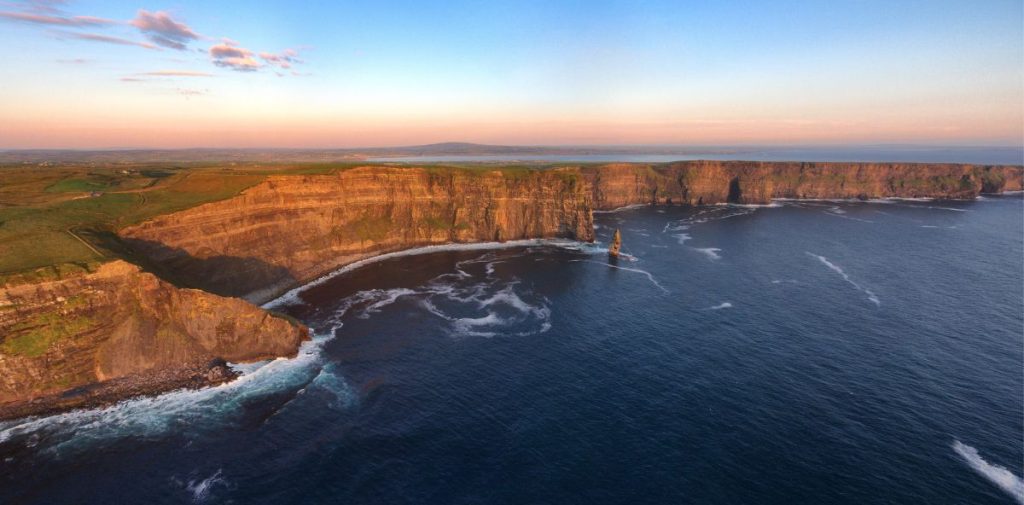
Picture yourself standing at the edge of Europe, Atlantic winds whipping through your hair, waves crashing against cliffs that have guarded this coastline for centuries. Out here, the landscape feels powerful and untamed, and the road seems to disappear into sea spray and sky.
This is the Wild Atlantic Way.
It isn’t just a scenic drive. It’s a 2,500-kilometer journey along Ireland’s west coast, through peninsulas and fishing villages, past empty beaches and towering sea cliffs, into landscapes that feel both ancient and alive.
After my wedding in Dublin in 2010, my husband and I set off on his motorbike and unknowingly traced parts of what would later become the Wild Atlantic Way. From Achill Island to the Cliffs of Moher, the Dingle Peninsula to the Ring of Kerry, those winding coastal roads became our honeymoon. Years later, when the route was officially launched, I realized we had discovered something special long before it had a name.
Here’s what I want you to know before you plan anything: you do not need to drive all 2,500km to experience the magic. In fact, most people shouldn’t. If you love coastal scenery, dramatic landscapes and road trips that reward slow travel, the Wild Atlantic Way will suit you perfectly. If you prefer city-hopping or tightly packed itineraries, you may want to focus on just one or two sections instead.
I’ll walk you through how the route works, how long you realistically need, which sections suit different travel styles, and how to avoid the common planning mistakes that can turn an epic road trip into an exhausting one. Whether you have five days, two weeks, or plan to return across multiple trips, you can shape a version of the Wild Atlantic Way that fits your time, interests and pace.
Think of this page as something to return to as your plans evolve, a place to refine your route into an Ireland adventure that feels balanced, realistic and unmistakably yours.
- Welcome to the Wild Atlantic Way
- What Is the Wild Atlantic Way?
- Where Is the Wild Atlantic Way?
- How Long Does the Wild Atlantic Way Take?
- Do You Have to Drive the Entire Wild Atlantic Way?
- Where Does the Wild Atlantic Way Start and Finish?
- How to Get to the Wild Atlantic Way
- Best Ways to Travel the Wild Atlantic Way
- Wild Atlantic Way Discovery Points Explained
- Wild Atlantic Way Route Sections
- When Is the Best Time to Drive the Wild Atlantic Way?
- Where to Stay Along the Wild Atlantic Way
- Common Wild Atlantic Way Planning Mistakes
- Practical Tips for Planning Your Wild Atlantic Way Trip
- Sample Wild Atlantic Way Itineraries
- FAQs About the Wild Atlantic Way
- Plan Your Wild Atlantic Way Trip
- Final Thoughts on the Wild Atlantic Way
What Is the Wild Atlantic Way?
The Wild Atlantic Way is a 2,500km (1,550-mile) signed coastal driving route that follows Ireland’s Atlantic seaboard from Malin Head in County Donegal in the north to the Old Head of Kinsale in County Cork in the south. It hugs the coastline as closely as possible, weaving together main roads, quiet back roads, peninsulas, islands, villages, and some of the most dramatic scenery in the country.
Rather than being a single road, it’s a clearly waymarked route designed to help travelers explore Ireland’s west coast in a more immersive, slow-travel way.
The route was officially launched in 2014 by Fáilte Ireland, but many of the roads themselves have been used for generations. In fact, long before the Wild Atlantic Way existed as a named route, I unknowingly traveled sections of it myself, tracing the coast from Achill Island and Galway to the Cliffs of Moher, on through Kerry, during what became an unforgettable Irish honeymoon. Those same coastal roads later formed the backbone of what is now one of the world’s longest defined coastal driving routes.
Why Was the Wild Atlantic Way Created?
While parts of Ireland’s west coast – like the Cliffs of Moher, the Ring of Kerry, and Dingle Peninsula – have always been popular, vast stretches were often skipped by visitors rushing between “must-see” sights.
The Wild Atlantic Way was created to:
- Encourage visitors to explore lesser-known coastal areas
- Spread tourism beyond the usual hotspots
- Support small towns, islands, and rural communities
- Showcase the full diversity of Ireland’s Atlantic coast, from rugged cliffs to sheltered bays
The result is a route that rewards curiosity, detours, and slow travel rather than ticking boxes.
How Is It Different From “Just Driving the West Coast”?
This is where many first-time visitors get confused.
Driving the Wild Atlantic Way isn’t simply about heading west and following the sea. What makes it different is that it’s:
- Fully signposted, so you’re never guessing where to go
- Carefully curated to include both iconic landmarks and hidden gems
- Structured into sections that make trip planning far easier
- Designed to be dipped into, you don’t need to drive the whole thing
You can absolutely drive parts of Ireland’s west coast without following the Wild Atlantic Way, but the route removes the guesswork and helps you discover places you’d likely miss otherwise.
What Are Wild Atlantic Way Discovery Points?
Along the route, you’ll see signs for Wild Atlantic Way Discovery Points, specially selected viewpoints, landmarks, and experiences that highlight the best of the coastline.
There are 188 Discovery Points in total, including 15 Signature Discovery Points, which represent some of the most dramatic and recognisable locations along the route. These range from soaring sea cliffs and remote beaches to historic headlands and island viewpoints.
You don’t need to visit them all (very few people do), and they’re best seen as suggestions, not obligations.
Where Is the Wild Atlantic Way?
The Wild Atlantic Way runs the entire length of Ireland’s west coast, tracing the edge of the Atlantic Ocean from the very top of the country to its southernmost headlands. It sticks as close to the coastline as possible, dipping in and out of peninsulas, skirting bays and beaches, and linking together small towns, islands, and remote stretches of road that most visitors would never find by accident.
It’s not one single road. Instead, it’s a network of coastal routes – sometimes wide and smooth, sometimes narrow and winding – that together form one continuous journey along Ireland’s Atlantic edge.
Counties Along the Wild Atlantic Way
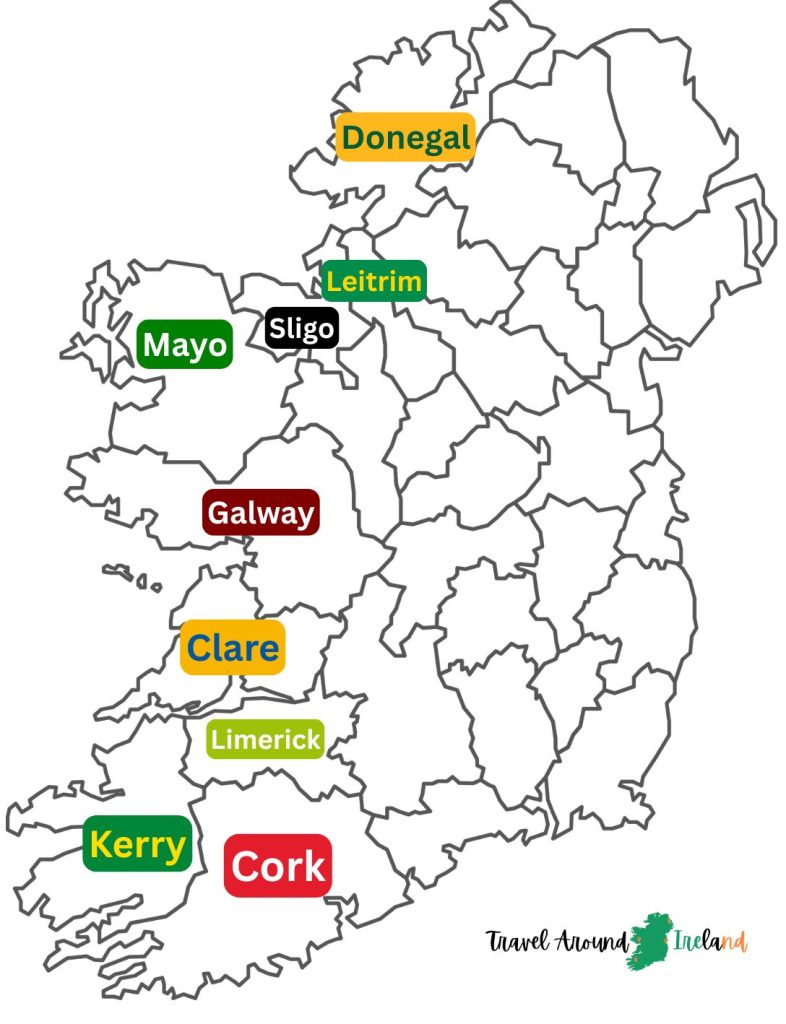
The route passes through nine counties, all located in the Republic of Ireland:
- Cork
- Kerry
- Limerick
- Clare
- Galway
- Mayo
- Sligo
- Leitrim
- Donegal
Your Wild Atlantic Way trip might include just one or two of these counties. Very few travelers try to cover all nine in a single visit, and that’s perfectly fine.
Republic of Ireland Only (Important to Know)
One thing that often catches visitors out: the Wild Atlantic Way does not cross into Northern Ireland.
The entire route stays within the Republic of Ireland, even in the far northwest, where Donegal sits above Northern Ireland on the map. This matters for trip planning, especially if you’re hiring a car or plotting driving distances.
If your route to Donegal involves driving through Northern Ireland (which is often the fastest option), you’ll need to check that your car hire company allows cross-border travel, as it has insurance implications.
What About Northern Ireland’s Coast?
Northern Ireland has its own spectacular coastal driving route, centered around the north coast and famous sights like the Giant’s Causeway. It’s completely separate from the Wild Atlantic Way, with its own signage and structure.
Many travelers choose to combine both routes into one trip, using Donegal or Derry/Londonderry as a crossover point. If that’s something you’re considering, it’s very doable, just think of it as two coastal adventures joined together, rather than one continuous route.
How Long Does the Wild Atlantic Way Take?
This is the question – and the one that shapes every other decision you’ll make.
The Wild Atlantic Way is 2,500km long, but the honest answer is this: how long it takes depends entirely on how you travel it. Driving it is easy. Experiencing it is what takes time.
The Minimum: What’s Realistic (Not Theoretical)
Technically, you could drive the full route in a week if you treated it like a motorway mission with long days, minimal stops, and lots of windscreen time.
Realistically?
That approach misses the point entirely.
If you have 5–7 days, the smartest option is to:
- Choose one section (or two neighboring sections)
- Base yourself in one or two places
- Explore deeply instead of constantly moving on
This is how most first-time visitors actually enjoy the Wild Atlantic Way, even if they don’t realize it yet.
Ideal First-Time Trip Length
For a first proper Wild Atlantic Way experience, 10–14 days is the sweet spot.
That allows you to:
- Drive shorter distances most days
- Stay two or three nights in key locations
- Take detours when something catches your eye
- Enjoy places beyond the headline attractions
Even with two weeks, you still won’t see everything, and that’s completely normal.
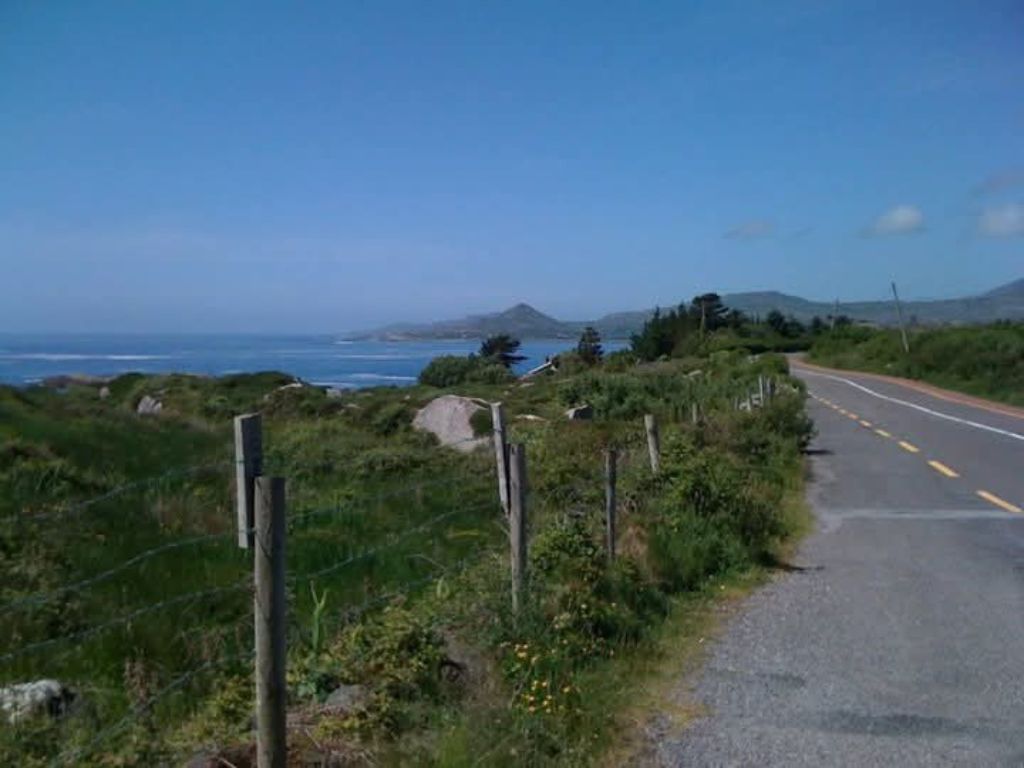
Slow Travel vs Highlights-Only
There’s no “right” way to do the Wild Atlantic Way, but there is a right way for you.
Highlights-only trips work well if:
- You’re short on time
- You’re combining the Wild Atlantic Way with Dublin or other regions
- You want iconic scenery with minimal planning stress
Slow travel suits you if:
- You enjoy small towns and quiet roads
- You’re happy lingering in one place
- You want space for weather changes and spontaneity
Before the Wild Atlantic Way was officially launched, my husband and I unknowingly traveled parts of it on our honeymoon in Ireland. We traced the coast from Achill Island to Kerry, stopping for those all-important photo opportunities. Those incredible coastal days are still some of my strongest memories, and they’re exactly what this route was later designed to encourage.
Why Rushing Ruins the Experience
On paper, distances along the Wild Atlantic Way don’t look huge. In reality:
- Coastal roads are winding
- Speed limits are optimistic
- You will get stuck behind tractors
- You will stop constantly for views
Trying to squeeze too much into too little time leads to:
- Long, tiring driving days
- Skipped places you’d love
- Feeling like you’re always behind schedule
The Wild Atlantic Way rewards patience. The less you rush it, the more it gives back.
Set Expectations Early (And You’ll Enjoy It More)
Here’s the mindset shift that makes planning easier:
You’re not trying to “complete” the Wild Atlantic Way – you’re choosing the part of it that fits your trip.
Once you accept that, planning becomes calmer, itineraries make more sense, and the journey feels far more enjoyable.
Do You Have to Drive the Entire Wild Atlantic Way?
(Short answer: No – and most people shouldn’t even try)
This is the single biggest planning mistake I see with first-time visitors: feeling like the Wild Atlantic Way is something you have to “finish”.
You don’t.
The route wasn’t designed to be conquered end to end in one go. It was created to encourage exploration, and that works far better when you choose sections, not when you chase the full length.
Why This Is the #1 Planning Mistake
When travelers try to cover too much of the Wild Atlantic Way in one trip, a few things almost always happen:
- Driving days get longer and more tiring
- Time at each stop gets shorter
- Detours and spontaneous discoveries disappear
- Iconic places blur together instead of standing out
The Benefits of Choosing Sections
Focusing on a specific stretch of the route makes planning simpler and the experience richer.
When you choose sections:
- You spend less time packing and unpacking
- You get to know an area properly
- Weather disruptions matter less
- Your days feel balanced instead of rushed
It also makes the Wild Atlantic Way far more flexible. You can pair one section with Dublin, Northern Ireland, or even a city break elsewhere in Ireland without feeling stretched thin.
Why Bases + Day Trips Work Better
Instead of moving accommodation every night, many travelers get far more enjoyment by:
- Picking one or two good base towns
- Exploring nearby highlights on day trips
- Returning to the same place each evening
This approach works especially well in areas like Kerry, Clare, Connemara and Mayo, where some of the best scenery lies within easy reach of a central base. It’s also ideal if you’re traveling with kids, prefer a slower pace, or simply don’t want to be constantly on the road.
Who Should Drive the Entire Route?
Driving the full Wild Atlantic Way makes sense if:
- You have three weeks or more
- You genuinely enjoy long road trips
- You’re happy skipping places due to weather
- You see the journey itself as the main goal
For everyone else – especially first-time visitors – a well-chosen section or two will almost always deliver a better experience.
Where Does the Wild Atlantic Way Start and Finish?
The Wild Atlantic Way has two official endpoints, but you can start and finish wherever suits your trip, there’s no right or wrong place to begin.
Official Start & End Points
- Northern end: Malin Head
The most northerly point in Ireland, rugged and windswept, with dramatic cliffs and big Atlantic views. - Southern end: Old Head of Kinsale
A striking headland near Kinsale, famous for its lighthouse views and sheer cliffs above the sea.
Whether you travel between these two, or only touch a small section in between, is entirely up to you.
North to South or South to North?
You’ll often hear debates about which direction is “best”. In reality, both work, but there is a practical difference.
South → North (Kinsale to Malin Head)
This is generally the easier option, especially for first-timers:
- You’re driving with the coast on your left
- Pulling in for viewpoints is simpler
- Fewer awkward right-hand turns across traffic
- Photo stops feel less stressful
North → South (Malin Head to Kinsale)
Perfectly doable, but:
- You’ll sometimes need to cross traffic to reach viewpoints
- Photo stops require a bit more planning
If scenery stops are a big part of your trip (and they should be), south to north has a slight edge. During our honeymoon trip we traveled from north to south and it was magical in every sense. Direction does not matter.
Why Direction Matters for Photo Stops
Ireland drives on the left-hand side of the road, and the Wild Atlantic Way hugs the coastline as closely as possible. When the ocean is on your left, it’s much easier to:
- Spot viewpoints early
- Pull in safely
- Stop spontaneously when something catches your eye
It’s a small detail, but over several days of coastal driving, it makes a noticeable difference, especially on narrow roads where stopping opportunities are limited.
A Final Reassurance
Before the Wild Atlantic Way had a name, I followed these same coastal roads without any thought to direction at all, just moving with the landscape and stopping where it felt right. That flexibility is still very much part of the experience.
You don’t need to overthink this. Choose the direction that fits your flights, your timing, and your comfort level; the scenery doesn’t disappoint either way.
How to Get to the Wild Atlantic Way
One of the nice things about the Wild Atlantic Way is that you don’t need to start at either end. You can join the route at countless points along the west coast, depending on where you fly into and which section you plan to explore.
Choosing the right airport can save you hours of driving (and a lot of energy), especially if your time in Ireland is limited.
Best Airports Depending on Which Section You’re Visiting
- Shannon Airport
The most convenient airport for the central and southern sections of the Wild Atlantic Way. It’s ideal if you’re focusing on:- Clare (Cliffs of Moher, Burren)
- Kerry (Dingle Peninsula, Ring of Kerry)
- Limerick and West Cork
Shannon allows you to hit the coast quickly, often within an hour of landing, which makes a huge difference after a long flight.
- Dublin Airport
Ireland’s main international hub and often the cheapest option for flights. It works well if:- You’re combining the Wild Atlantic Way with Dublin or the east coast
- You’re starting in Galway, Kinsale, or Donegal
- You want the widest choice of car hire options
From Dublin, expect around:
- 2–2.5 hours to Galway
- Just over 3 hours to Kinsale
- 4–5 hours to Malin Head (depending on route)
- Ireland West Airport Knock
A handy option for the Mayo, Sligo, and north Galway sections, particularly if you find a suitable flight. It’s smaller but can be very convenient for certain itineraries. - Cork Airport
The ideal airport if you want to start at the southern starting point of the Wild Atlantic Way. The airport is located less than 15 minutes from the center of Cork City. This airport is the best choice if:
- You are flying in from another European destination
- Want to start at the Old Head of Kinsale (just 40 minutes from the airport)
Dublin vs Shannon: Which Is Better?
There’s no universal “best” airport; it depends on your route.
Choose Shannon if:
- You want to start along the coast quickly
- You’re focusing on Clare, Kerry, or West Cork
- You want to avoid a long cross-country drive on arrival
Choose Dublin if:
- You’re planning to spend time in Dublin
- You want maximum flight choice
- You’re starting in Galway, Cork, or Donegal
- You’re combining multiple regions in one trip
I’ve done both over the years, and the deciding factor is always how much driving you want on your first and last days.
Important Border Note for Donegal Routes
If you’re heading to Donegal, especially Malin Head, the most direct route from Dublin passes through Northern Ireland.
That’s not a problem, but:
- You must check that your car hire allows cross-border travel
- Some companies charge a small additional fee
- If you prefer to stay entirely within the Republic of Ireland, expect the drive to take about an hour longer
This catches people out surprisingly often, so it’s worth knowing early.
When It Makes Sense to Start Mid-Route
Starting partway along the Wild Atlantic Way is often the smartest choice, particularly if:
- You’re short on time
- You’re focusing on one region
- You want fewer long driving days
Galway, Doolin, Killarney, Westport and Kinsale all make excellent jump-on points, letting you experience the Wild Atlantic Way without committing to a full north–south journey.
Best Ways to Travel the Wild Atlantic Way
There’s more than one way to experience the Wild Atlantic Way, but some ways are far more practical than others.
How you travel will shape your entire trip, so it’s worth choosing carefully.
Driving the Wild Atlantic Way (Recommended)
If you want flexibility, freedom, and the ability to stop whenever something catches your eye, a car is hands down the best option.
Why a Car Is Best
The Wild Atlantic Way was designed as a self-drive route. While larger towns are connected by bus or rail, many of the most spectacular viewpoints, beaches, peninsulas and headlands are not.
With your own car, you can:
- Pull over for unexpected views
- Take scenic detours without stress
- Reach remote Discovery Points
- Base yourself in smaller coastal towns
- Adjust your plans around the weather
It also allows you to travel at your own pace, something that makes a big difference on a route this long.
What Driving Is Really Like
Irish coastal driving is beautiful, but it’s not motorway driving.
Expect:
- Narrow rural roads in parts
- Occasional sheep on the road
- Tractors and slow-moving farm vehicles
- Winding sections along cliffs and peninsulas
The good news? Traffic is generally light outside peak summer hotspots. Once you relax into the rhythm of Irish roads, it becomes part of the experience rather than something to fear.

Distances vs Time: The Reality
On paper, a 100km drive looks quick.
In reality, 100km along the Wild Atlantic Way can easily take two to three hours once you factor in:
- Scenic stops
- Slower speed limits
- Road conditions
- Pulling in for photos (and you will)
This is why planning shorter driving days makes such a difference. The Wild Atlantic Way is about the journey, not how quickly you can tick off destinations.
Can You Do the Wild Atlantic Way Without a Car?
Technically? Yes.
Practically? It depends.
The Honest Limitations
Public transport along the west coast is:
- Limited in rural areas
- Infrequent outside cities
- Not designed for scenic hopping between viewpoints
You can reach larger towns like Galway, Westport, Killarney and Sligo by bus or train, but reaching remote beaches, peninsulas and headlands without a car can be challenging.
What Is Possible
A car-free Wild Atlantic Way trip works best if you:
- Base yourself in one or two well-connected towns
- Use local day tours for key attractions
- Are happy skipping some remote Discovery Points
- Enjoy walking within a smaller area
For example, you could base yourself in Galway and explore Connemara on tours or stay in Killarney and use organized trips to see parts of Kerry.
Who This Works For
A no-car approach suits:
- Solo travelers who prefer not to drive
- Visitors uncomfortable with rural roads
- Those on shorter, region-focused trips
- Travelers combining city stays with guided excursions
If your dream is full freedom along the coastline, however, a car makes life dramatically easier.
Tours, Cycling, Walking & Water-Based Experiences
Driving may be the most common option, but it’s not the only way to experience the Wild Atlantic Way.
Multi-Day Tours
Several companies offer guided tours covering parts of the route. These:
- Remove the stress of driving
- Include accommodation and commentary
- Focus on highlights rather than hidden detours
They’re ideal if you prefer structure or don’t want to drive in Ireland.
Cycling Sections
Cycling the Wild Atlantic Way offers a completely different perspective.
You won’t cover as much ground, but you’ll:
- Experience the landscape more intimately
- Discover quieter backroads
- Enjoy dedicated greenways like the Great Western Greenway in Mayo
It requires good fitness and careful planning, but for experienced cyclists, it’s unforgettable.
Walking Trails
The west coast is packed with walking opportunities:
- Cliff walks
- Coastal loop trails
- Mountain hikes
- Island routes
You don’t walk the entire Wild Atlantic Way, but you can explore small sections on foot, especially around peninsulas, national parks and island communities.
Boat Trips & Coastal Activities
Some of the most dramatic views of the Wild Atlantic Way are from the water.
Along the route, you can:
- Take boat trips to sea cliffs and islands
- Go kayaking in sheltered bays
- Surf on Atlantic beaches
- Watch dolphins and whales offshore
Even if you’re driving, adding a water-based experience transforms the trip.
Wild Atlantic Way Discovery Points Explained
As you travel along the Wild Atlantic Way, you’ll notice brown tourist signs with a distinctive white wave symbol. These mark Wild Atlantic Way Discovery Points, officially designated stops chosen to showcase the best of Ireland’s Atlantic coastline.
What Are Discovery Points?
Discovery Points are:
- Scenic viewpoints
- Headlands and sea cliffs
- Beaches and bays
- Historic sites
- Harbor towns and coastal landmarks
They’re essentially curated stopping places designed to help you experience the most dramatic and interesting parts of the route.
They are not attractions in the theme-park sense, they’re locations that highlight the landscape, history and character of the west coast.
How Many Discovery Points Are There?
There are 188 Discovery Points in total along the 2,500km route.
That number alone should tell you something important:
You are not meant to visit them all.
They’re there as guidance, not as a checklist to complete.
Signature vs Standard Discovery Points
Out of the 188, there are 15 Signature Discovery Points.
These represent some of the most iconic and visually dramatic locations along the route, including:
- Cliffs of Moher
- Slieve League
- Keem Strand
- Mizen Head
- Malin Head
Signature points tend to have:
- Larger car parks
- Interpretation panels
- More infrastructure
Standard Discovery Points are often quieter and sometimes just as beautiful, but with fewer facilities.
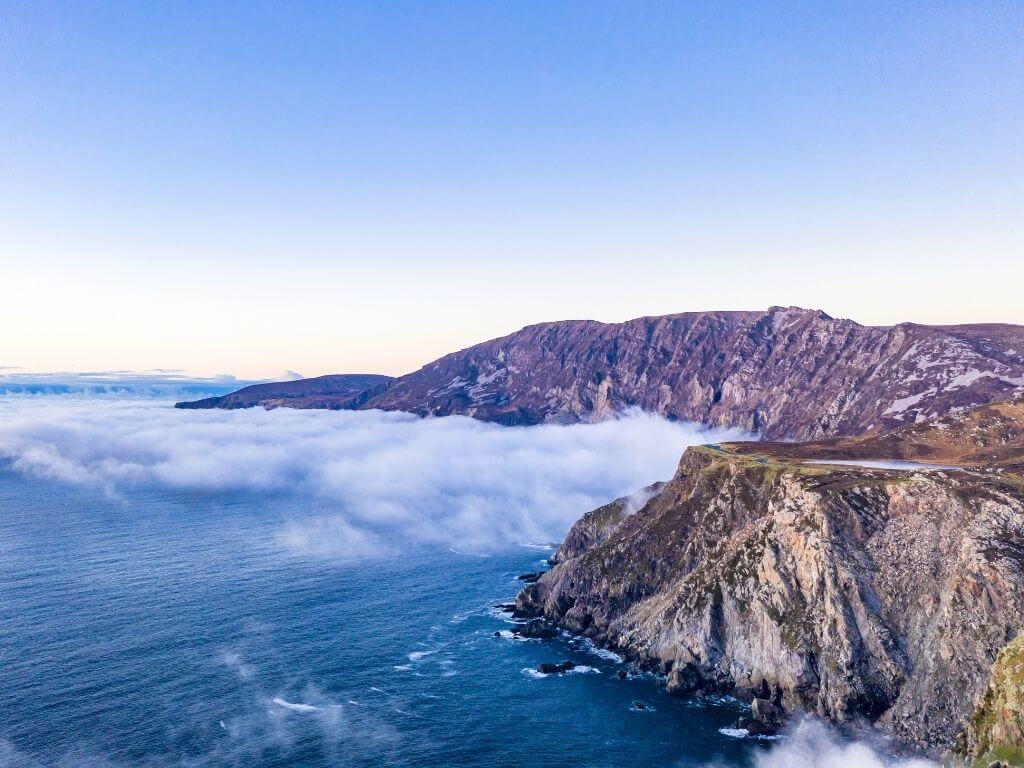
Are Discovery Points Worth Planning Around?
Yes… but strategically.
If you’re building an itinerary, Signature Discovery Points are useful anchors; they’re famous for a reason.
However:
- Some of the most magical places along the Wild Atlantic Way aren’t Signature Points.
- Many standard Discovery Points are quieter and less crowded.
- Trying to “collect” too many in one day leads to rushed travel.
Think of Discovery Points as helpful signposts, not mandatory stops. The best Wild Atlantic Way experiences often happen in between them.
The Wild Atlantic Way Passport
If you enjoy collecting mementos from your travels, you might come across the Wild Atlantic Way Passport.
What Is It?
The passport is a small booklet where you can collect official stamps from Discovery Points along the route.
Each stamp corresponds to a Discovery Point location, and it’s designed as a fun keepsake of your journey.
Who Is It For?
The passport is perfect for:
- Families traveling with kids
- Visitors who enjoy collecting travel souvenirs
- Anyone who loves a tangible memory of their trip
It’s less essential for travelers focused purely on scenery and logistics, and that’s completely fine.
Where Do You Get Stamps?
You can:
- Purchase the passport in selected tourist offices and shops along the route
- Collect stamps at designated Discovery Point locations
Not every Discovery Point has a staffed location, so stamps are usually available in nearby towns, visitor centers or post offices.
Fun vs Essential
Here’s the honest take:
The passport is a fun addition, not a requirement.
You do not need it to enjoy the Wild Atlantic Way. It doesn’t unlock access or give you special privileges. It simply adds a playful layer to your road trip.
If you like the idea of turning your journey into a kind of treasure hunt, it’s a lovely extra. If not, you won’t miss a thing.
Wild Atlantic Way Route Sections
One of the easiest ways to plan the Wild Atlantic Way is to stop thinking of it as one enormous 2,500km route and start thinking of it as a series of distinct coastal regions, each with its own personality.
These sections are here to help you choose, not overwhelm you.
You do not need to cover them all. In fact, most travelers pick one, two, or three neighboring regions and build their itinerary around those. Each section below includes what it’s best for, how long to allow, and the key highlights that define it.
How the Wild Atlantic Way Is Divided
To make planning easier, I’ve broken the Wild Atlantic Way into its natural coastal sections below. Each region has its own character, landscape and rhythm, and most travelers focus on one, two or three neighboring sections rather than attempting the entire 2,500km route.
Here’s how the route flows from south to north:
- Southern Coast (Cork)
- Peninsulas of Cork & Kerry
- Clare & the Mid-West Coast
- Galway Bay & Connemara
- Mayo Coast & Achill Island
- Sligo, Leitrim & South Donegal
- North Donegal & Inishowen
As you read through each section, think less about “covering everything” and more about which stretch feels like the right fit for your trip.
Southern Coast (County Cork)
Best for: Beaches, islands, colorful harbor towns, quieter peninsulas
Choose this section if: you want a quieter, slower introduction to the Wild Atlantic Way with beaches, islands and quaint coastal towns.
Allow: 2–4 days
This stretch of the Wild Atlantic Way runs from Kinsale west towards Bantry Bay and feels slightly gentler than some of the more dramatic northern sections. Think fishing villages, sheltered coves, lighthouse views and a slower rhythm of travel. If you’d like to explore the wider county in more detail, see my full guide to the best things to do in County Cork.
Top Highlights
- Kinsale – A picture-perfect harbor town with winding streets, seafood restaurants and coastal walks.
- Mizen Head – One of Ireland’s most southwesterly points, with a dramatic bridge crossing to the lighthouse.
- Barley Cove Beach – Wide sands backed by dunes, especially beautiful at sunset.
- Baltimore & the offshore islands – A departure point for ferries to Cape Clear and other islands.
- Bantry Bay – A scenic base for exploring Sheep’s Head and the Beara Peninsula.
This section is ideal if you want Atlantic scenery without the heavier crowds of Kerry and Clare.
If you’re looking for something a little different along this stretch, you might enjoy my guide to glamping in Cork, which includes unique stays close to the coast.
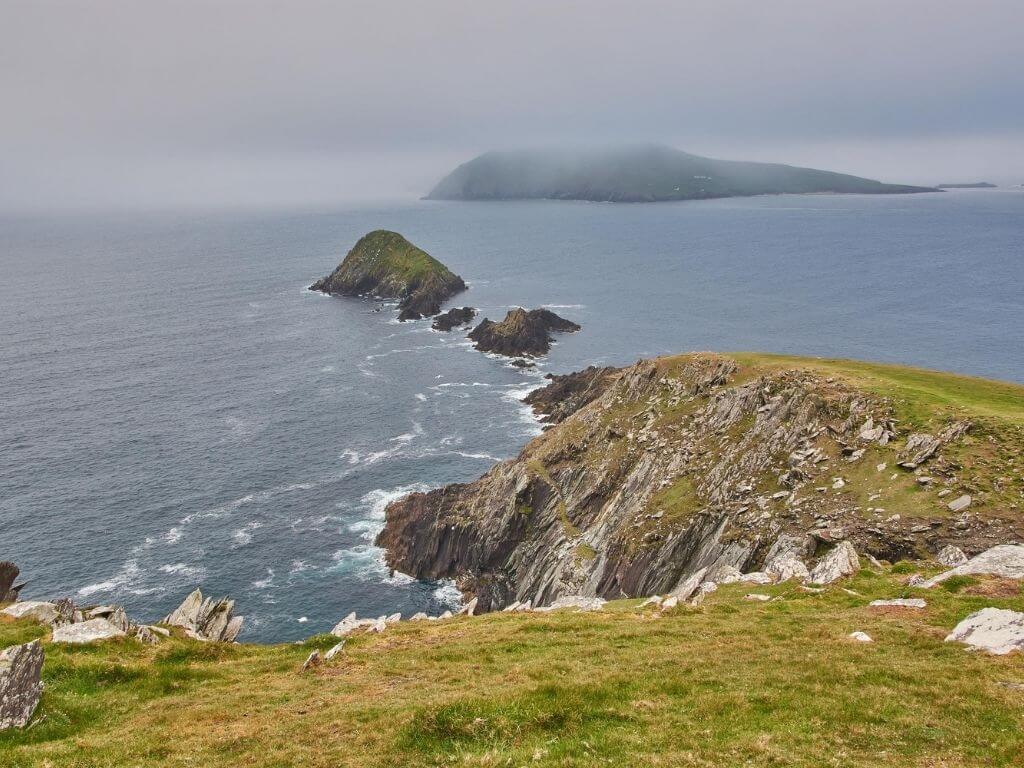
Peninsulas of Cork & Kerry
Best for: Iconic scenery, classic Ireland landscapes, dramatic drives
Choose this section if: this is your first time in Ireland, and you want incredible scenery, dramatic drives and classic postcard views.
Allow: 3–5 days (longer if you include hiking or island trips)
This is the postcard section of the Wild Atlantic Way, rugged peninsulas, winding mountain passes and world-famous driving routes.
Top Highlights
- Beara Peninsula – Wild, less crowded, and home to the stunning Healy Pass.
- Ring of Kerry – A 179km loop of mountains, lakes and coastal views.
- Dingle Peninsula – Home to Slea Head Drive, beaches and traditional music.
- Skellig Michael Viewpoints – Coastal viewpoints towards the famous offshore islands.
- Killarney & the surrounding national park – A popular base for exploring the region (see my guide to the best things to do in Killarney).
This section delivers the kind of scenery many people imagine when they picture Ireland.
For a more memorable stay, explore my glamping in Kerry guide, featuring scenic coastal and countryside options.
Clare & the Mid-West Coast
Best for: Cliffs, caves, short coastal walks, geological landscapes
Choose this section if: you’re short on time but still want big-impact scenery, cliff walks and easily accessible highlights.
Allow: 2–3 days
Compact but packed with impact, this stretch includes some of the most photographed coastline in Ireland.
Top Highlights
- Loop Head – A quieter peninsula with lighthouse views.
- Kilkee Cliffs – Dramatic cliff walks without the crowds.
- Cliffs of Moher – Towering sea cliffs rising over 200 meters above the Atlantic.
- The Burren – A unique limestone landscape inland from the coast.
- Doolin – A small village known for traditional music and Aran Islands ferries.
It’s one of the most accessible sections, especially from Shannon Airport.
Galway Bay & Connemara
Best for: Islands, national parks, lively culture, scenic drives
Choose this section if: you want a mix of culture, mountain landscapes and island adventures without losing that wild Atlantic feel.
Allow: 3–4 days
This stretch blends vibrant city energy with wild Atlantic landscapes. Explore more in my guide to the best things to do in County Galway.
Top Highlights
- Galway – A compact but beautiful city known for music, pubs and festivals.
- Aran Islands – Rugged offshore islands with ancient forts and coastal cliffs.
- Connemara National Park – Mountain scenery and walking trails.
- Kylemore Abbey – A lakeside abbey framed by mountains.
- Killary Harbour – Ireland’s only fjord.
This is a brilliant section for combining scenery with atmosphere.
You’ll also find some fantastic eco-friendly and coastal options in my glamping in Galway guide.
Mayo Coast & Achill Island
Best for: Wild landscapes, fewer crowds, raw Atlantic beauty
Choose this section if: you prefer fewer crowds, wide-open landscapes and a more rugged, untamed coastline.
Allow: 2–4 days
This part of the Wild Atlantic Way feels untamed, long beaches, high cliffs and big skies.
Top Highlights
- Westport – A charming base town with colorful streets.
- Achill Island – Ireland’s largest island, known for Keem Strand and mountain views.
- Croagh Patrick – A pilgrimage mountain overlooking Clew Bay.
- Downpatrick Head – Sea stacks and blowholes along dramatic cliffs.
- Céide Fields – Ancient stone field systems dating back thousands of years.
If you want dramatic scenery without constant tour buses, this section delivers.
If you’d like to stay somewhere a little unusual, take a look at my glamping in Mayo guide, with options close to Achill and the wider coast.
Sligo, Leitrim & South Donegal
Best for: Surfing beaches, dramatic coastlines, literary landscapes
Choose this section if: you surfing beaches and dramatic scenery that feels poetic and slightly off the main tourist trail.
Allow: 2–3 days
This stretch feels poetic with green hills rolling towards the sea, powerful Atlantic surf, and striking mountain backdrops.
Top Highlights
- Strandhill – A popular surfing beach with cafés and sea views.
- Benbulbin – A distinctive flat-topped mountain.
- Slieve League – Sea cliffs even higher than the Cliffs of Moher.
- Glencolmcille – A small village with folk heritage.
- Maghera Beach – White sands and sea caves.
It’s less visited than Kerry or Clare, and often all the better for it. If you’re exploring this region in more depth, see my guides to the best things to do in County Sligo and the best things to do in County Leitrim.
North Donegal & Inishowen
Best for: Remote beauty, beaches, lighthouses, wide Atlantic horizons
Choose this section if: you’re craving remote beauty, sweeping Atlantic views and a sense of real edge-of-the-world Ireland.
Allow: 2–3 days
The northernmost stretch of the Wild Atlantic Way feels expansive and raw, with vast beaches and dramatic headlands.
Top Highlights
- Fanad Head Lighthouse – One of Ireland’s most photogenic lighthouses.
- Rosguill Peninsula – Quiet roads and sweeping coastal views.
- Inishowen Peninsula – Forts, waterfalls and remote beaches.
- Malin Head – Ireland’s most northerly point and official Wild Atlantic Way endpoint.
If you’re craving space, solitude and big Atlantic skies, this is the section for you. For a broader overview, read my guide to the best things to do in Donegal.
When Is the Best Time to Drive the Wild Atlantic Way?
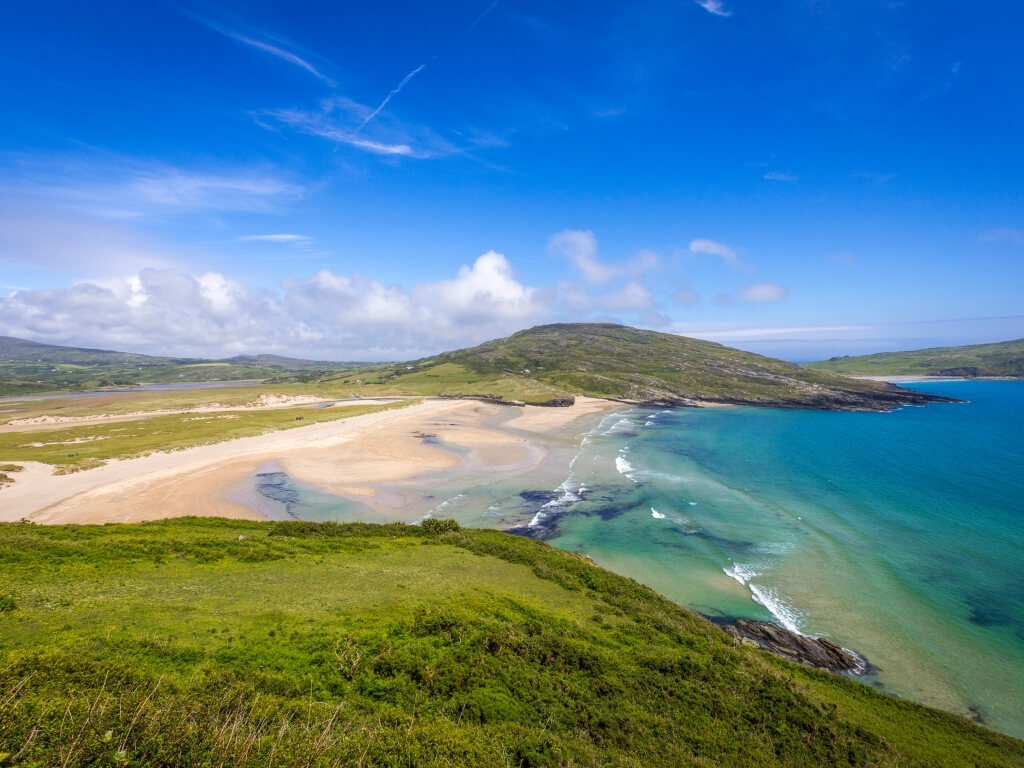
The Wild Atlantic Way is beautiful year-round, but the experience changes dramatically depending on when you visit. Weather, daylight hours, crowd levels and accommodation availability all play a role.
Best Overall Months
If you’re looking for the best balance of:
- Decent weather
- Longer daylight hours
- Manageable crowds
Then May, June and September are hard to beat.
You’ll typically get:
- Mild temperatures
- Lush green landscapes
- Fewer tour buses than peak summer
- More flexibility with accommodation
Early autumn in particular can be magical with golden light, calmer roads and a slightly quieter coastal atmosphere.
Shoulder Season Benefits (April & October)
The shoulder seasons are ideal if you:
- Prefer quieter roads
- Want lower accommodation prices
- Don’t mind mixed weather
April often brings fresh spring color, while October can offer dramatic skies and moody Atlantic scenery, especially along cliff sections.
Just keep in mind:
- Some seasonal attractions may have reduced hours
- Boat trips and island ferries may run less frequently
Summer Reality Check (July & August)
Summer is popular for a reason:
- Long daylight hours (sunset after 10pm in June)
- Warmer temperatures
- Full access to tours and island trips
But here’s the honest reality:
- Accommodation books out early
- Hotspots like the Cliffs of Moher and the Dingle Peninsula can be crowded
- Prices are at their highest
If you’re traveling in summer, early starts and advance bookings make all the difference.
Winter: The Honest Pros & Cons
Winter along the Wild Atlantic Way is dramatic, but not for everyone.
Pros:
- Very few crowds
- Powerful Atlantic storms (incredible from a safe distance)
- Lower accommodation costs
Cons:
- Short daylight hours
- Limited boat trips and seasonal services
- Greater weather unpredictability
- Some rural cafés and attractions may close
If you’re comfortable with flexible plans and understand that weather may dictate your days, winter can be atmospheric and peaceful. But for first-time visitors, late spring to early autumn is usually a more balanced choice.
Where to Stay Along the Wild Atlantic Way
Accommodation strategy can make or break your trip.
The biggest decision isn’t just where to stay, it’s how often to move.
Base Yourself or Move Nightly?
For most travelers, basing yourself for 2–3 nights at a time works far better than changing accommodation every night.
Benefits of using bases:
- Less packing and unpacking
- More relaxed mornings
- Flexibility if the weather turns
- Better chance to explore hidden gems nearby
Constantly moving each night often leads to:
- More driving pressure
- Less time enjoying places
- Feeling like you’re always “in transit”
The Wild Atlantic Way rewards depth over speed.
Towns That Work Well as Bases
Some towns naturally lend themselves to being strong bases because of their location and facilities.
Depending on the section, good base towns include:
- Galway – Ideal for Connemara and the Aran Islands
- Killarney – Great for Ring of Kerry and Dingle
- Doolin – Perfect for Cliffs of Moher and the Burren
- Westport – Excellent for Achill and north Mayo
- Kinsale – A lovely base for West Cork
Choosing the right base reduces driving time and increases enjoyment.
Booking Tips for Peak Season
If you’re traveling between June and August:
- Book accommodation as soon as flights are secured
- Look beyond the most famous towns if availability is limited
- Consider small guesthouses and B&Bs
- Check cancellation policies carefully
Accommodation along the Wild Atlantic Way can fill quickly, especially in Kerry, Clare and Connemara.
Planning Your Stays
When deciding on your accommodation for this trip, I recommend you read my Where to Stay in Ireland page. This will guide you through the different options for accommodation in Ireland and tips for where to stay based on your travel style.
The biggest takeaway when planning your stays along the Wild Atlantic Way is to choose fewer bases. Stay longer in each and let the coast unfold around you.
In the regional sections of this guide, I have linked to some unique ideas for places to stay along the route. But the variety of accommodation choices in Ireland is vast, so the choice really is yours.
Common Wild Atlantic Way Planning Mistakes
Before you finalize your itinerary, it’s worth being aware of a few common mistakes I see travelers make when planning the Wild Atlantic Way. Avoiding these early can make the difference between a rushed road trip and a genuinely memorable one.
- Trying to drive the entire route in one week.
The Wild Atlantic Way is 2,500km long. Attempting to cover it all too quickly usually leads to long driving days and very little time to actually enjoy the scenery. - Moving accommodation every night.
Constant packing and unpacking adds unnecessary stress. Basing yourself for two or three nights at a time allows you to explore more deeply and travel at a calmer pace. Remember, checking in/out also eats into your time. - Underestimating driving times.
Coastal roads are winding, speed limits are optimistic, and you’ll stop far more often than you expect. Distances on paper rarely reflect real travel time. - Not booking summer accommodation early.
Popular towns along the route can fill up months in advance during peak season. Leaving it too late limits both choice and budget options. - Ignoring weather flexibility.
Atlantic weather changes quickly. Building buffer time into your schedule makes it much easier to swap days around if visibility or rain affects your plans.
The Wild Atlantic Way rewards patience, flexibility and realistic pacing. Planning with those in mind transforms the entire experience.
Practical Tips for Planning Your Wild Atlantic Way Trip
A little preparation goes a long way on a coastal route this varied. These are the small details that make the difference between a stressful road trip and one that feels effortless.
Speed Limits vs Reality
On paper, many rural roads along the Wild Atlantic Way have speed limits of 80–100km/h.
In reality:
- Roads can be narrow and winding
- Sheep and tractors appear unexpectedly
- You’ll slow down for scenery constantly
A 100km stretch can easily take two to three hours once you factor in stops. Always allow more time than Google Maps suggests, especially if it’s your first time driving in Ireland.
Book Accommodation Early (Especially Summer)
If you’re traveling between June and August:
- Book as soon as flights are confirmed
- Popular towns fill quickly (Killarney, Doolin, Galway, Westport)
- Last-minute options can be limited in rural areas
Outside peak season, you’ll have more flexibility, but along certain sections, accommodation supply is smaller than you might expect.
Avoiding Crowds at Hotspots
Places like the Cliffs of Moher and parts of the Ring of Kerry can get busy in summer.
Simple strategies help enormously:
- Arrive early (before 9am if possible)
- Visit later in the afternoon
- Stay overnight nearby instead of rushing through
- Explore lesser-known Discovery Points nearby
Often, the quietest and most memorable views are just a few kilometers away from the busiest car parks.
Weather Expectations (Be Realistic)
This is the Atlantic coastline, so the weather changes quickly.
You may experience:
- Four seasons in one day
- Sudden showers followed by sunshine
- Strong coastal winds
Rather than trying to avoid weather, build flexibility into your schedule. Leave buffer time in case heavy rain affects hiking or visibility at cliff viewpoints.
Sometimes the dramatic skies after a storm create the most unforgettable scenes.
The Right Packing Mindset
Forget packing for “summer” or “winter” – pack for layers.
Essentials include:
- Waterproof jacket
- Comfortable walking shoes
- Warm layer (even in July)
- Sunglasses (yes, really)
- Small daypack
The Wild Atlantic Way is an outdoor experience. Being comfortable in changing conditions makes everything more enjoyable.
Sample Wild Atlantic Way Itineraries
If you’d rather see how all of this fits together in a structured plan, here are two ready-made options to help you decide what suits your time frame.
5-Day Wild Atlantic Way Highlights
Best for:
- Short trips
- First-time visitors
- Those combining the Wild Atlantic Way with Dublin
This itinerary focuses on iconic sections and minimises long backtracking drives. It’s fast-paced but manageable, ideal if your time is limited.
👉 See the full 5-day Wild Atlantic Way itinerary here.
7-Day Combined Wild Atlantic Way & Causeway Coast
Best for:
- Travelers who want both the Republic of Ireland and Northern Ireland
- Those with one full week
- Visitors interested in dramatic coastal contrasts
This route combines the Wild Atlantic Way with Northern Ireland’s north coast, creating a diverse coastal road trip in a compact time frame.
👉 Explore the full 7-day Wild Atlantic Way and Causeway Coast itinerary here.
Which Should You Choose?
Choose the 5-day version if:
- Your trip to Ireland is under 10 days
- You want highlights without too much relocation
Choose the 7-day combined version if:
- You’re comfortable with slightly longer driving days
- You want to see both sides of the island
- You enjoy coastal road trips with variety
Both itineraries can be adapted depending on the section you’re most excited about.
FAQs About the Wild Atlantic Way
How long does it take to drive the Wild Atlantic Way?
The full Wild Atlantic Way is 2,500km long. You could technically drive it in a week, but to properly enjoy it, 10–14 days is far more realistic. If you only have 5–7 days, it’s better to focus on one or two sections rather than attempting the entire route.
Can you do the Wild Atlantic Way without a car?
Yes, but with limitations.
Larger towns like Galway, Killarney and Westport are accessible by public transport, and you can join guided day tours to see key sights. However, many of the most scenic Discovery Points, beaches and peninsulas are not well served by public transport.
For full flexibility and access to remote areas, a car is strongly recommended.
Is the Wild Atlantic Way suitable for families?
Absolutely, with the right pacing.
Families tend to enjoy it most when they:
- Base themselves for 2–3 nights at a time
- Include beaches, short walks and boat trips
- Avoid overloading each day with long drives
Areas like Kerry, Clare, Connemara and Mayo offer a great mix of outdoor activities, wildlife, and space for children to explore safely.
What is the most scenic part of the Wild Atlantic Way?
This is subjective and depends on what kind of scenery you love.
- For dramatic cliffs: Slieve League and the Cliffs of Moher
- For classic Irish peninsulas: the Dingle Peninsula
- For raw, untamed beauty: Achill Island
- For mountain and fjord scenery: Connemara and Killary Harbour
There isn’t one “best” section; the magic of the Wild Atlantic Way lies in its variety.
Is the Wild Atlantic Way worth it?
Yes, if you approach it the right way.
The Wild Atlantic Way isn’t about completing a route. It’s about experiencing Ireland’s Atlantic coast at a pace that suits you. When you allow time for detours, weather changes and unplanned stops, it becomes far more than a road trip; it becomes one of the most memorable journeys you can take in Ireland.
And the best part? You can always come back and explore another section next time.
Plan Your Wild Atlantic Way Trip
If you’ve made it this far, you’re already ahead of most travelers. Now it’s time to turn inspiration into a clear, workable plan.
Below are the most helpful guides on Travel Around Ireland, organized by stage, so you can jump straight to what you need.
If You’re Just Starting to Plan
Start here if you’re still shaping your overall Ireland itinerary:
- Complete Ireland Travel Planning Guide – A step-by-step overview covering route structure, timing, budgeting and common mistakes.
- How Many Days Do You Need in Ireland? – A full breakdown is coming soon.
These guides help you zoom out before you start locking in details.
If You’re Choosing Your Wild Atlantic Way Route
Prefer a ready-made structure?
Both can be adapted depending on where you’re flying into and how much time you have.
If You’re Booking Accommodation
Choosing the right base makes a huge difference to your Wild Atlantic Way experience.
- Where to Stay in Ireland Guide – Helps you choose the right towns, accommodation styles and pacing strategy.
Planning your bases strategically reduces driving stress and allows you to explore each region more deeply.
If You’re Sorting Out Transport & Logistics
Not sure about driving in Ireland? Comparing car hire to trains and buses?
These guides will help:
- Getting Around Ireland by Car, Train or Bus
- Can You Travel Ireland Without a Car?
- Driving Tips for Visitors to Ireland
Understanding transport early makes everything else easier to plan.
If You’re Preparing What to Pack
Ireland’s Atlantic coast demands smart packing – and layers.
Before you travel, check:
Packing for flexibility, not outfits, is the key to staying comfortable along the Wild Atlantic Way.
Final Thoughts on the Wild Atlantic Way
The Wild Atlantic Way isn’t a challenge to complete.
It’s a coastline to explore.
Some travelers will drive from Old Head of Kinsale to Malin Head in one epic journey. Others will spend a week discovering just one peninsula.
Both are valid. Both are unforgettable.
The key is choosing the version that fits your time, pace and interests, not the version you feel you “should” do.
If you have questions about your route, aren’t sure which section to prioritize, or want a second opinion on your itinerary, drop me an email (cath@travelaroundireland.com). I genuinely love helping travelers shape their Wild Atlantic Way plans, and your question might help someone else planning a similar journey.
The Atlantic coast will be waiting.
Pin for later