Dublin Travel Guide: Things to Do, Where to Stay, Itinerary Ideas & Travel Tips (2026)
The capital city of Ireland
Planning a trip to Dublin? As Ireland’s vibrant capital and the starting point for most international visitors to the Emerald Isle, Dublin offers an incredible mix of thousand-year-old history, world-class attractions, legendary pubs, and warm Irish hospitality. Whether you’re tracing your Irish roots, exploring literary heritage, or simply seeking authentic Irish experiences, this comprehensive guide will help you make the most of your time in Dublin.
As a Dublin native who has both lived in the city and experienced it through visitors’ eyes, I’ll share insider knowledge to help you navigate Ireland’s capital like a local, avoid tourist traps, and discover the authentic Dublin that makes this city truly special for travelers from around the world.
*Information such as prices and rankings are correct at the time of writing this article (Jan 2026).
- Is Dublin Safe for Tourists?
- Getting Around Dublin
- When to Visit Dublin
- Entry Requirements for International Visitors
- Practical Tips for First-Time Visitors
- Top 10 Must-See Dublin Attractions
- Dublin Neighborhoods: Where to Stay & Explore
- Dublin Itinerary Guides
- Unique Dublin Experiences
- Food, Drink & Pub Culture
- Day Trips from Dublin
- 10 Common Questions People Ask About Visiting Dublin
- Related Dublin Guides
- Ireland Travel Planning Guides
Is Dublin Safe for Tourists?
One of the most common concerns for international visitors is safety in Dublin. The good news is that Dublin is generally very safe for tourists, consistently ranking among the safest European capitals. Ireland scores 1.26 on the Global Peace Index, ranking #2 globally behind only Iceland*.
That said, like any major city, you should exercise normal urban precautions:
- Avoid displaying expensive jewelry or electronics openly
- Stay aware of your surroundings, especially at night
- Keep valuables secure in crowded areas like Temple Bar
- Use licensed taxis or ride-sharing apps after dark
- Trust your instincts if a situation feels uncomfortable
Local Tip: While the November 2023 riots made international news, such incidents are extremely rare in Dublin. The city quickly returned to normal, and visitors shouldn’t be deterred by these isolated events.
Getting Around Dublin
Dublin is a compact, walkable city, but understanding the transport options will help you maximize your time. First-time visitors often find Dublin surprisingly easy to navigate. Check out our complete guide to getting around Dublin for detailed information.
Public Transportation
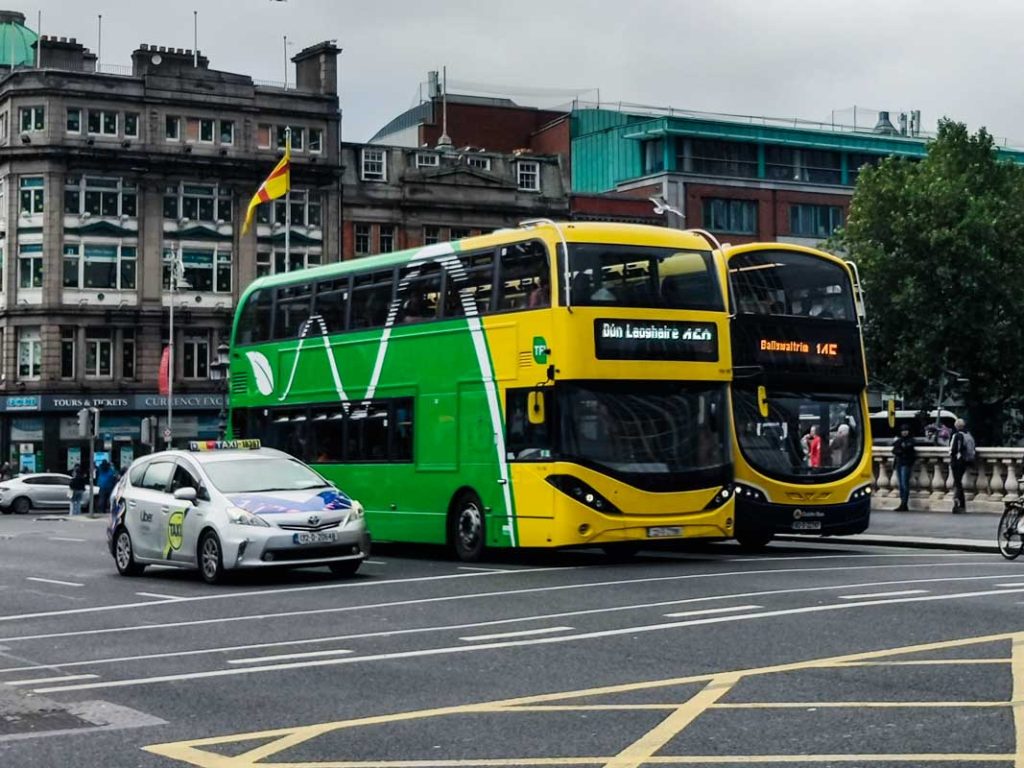
- Dublin Bus: Extensive network covering the entire city (€2.00-€3.10 per journey*)
- LUAS Tram: Two lines (Red and Green) connecting key areas (€2.00-€2.60 per single journey*)
- DART Train: Coastal railway perfect for trips to Howth or Dún Laoghaire (€2.00-€2.60 per single journey*)
- Leap Card: Prepaid card offering discounts on all public transport (€5 deposit + credit)
Other Options
- Walking: Most city center attractions are within 20-30 minutes’ walk
- Taxis: Readily available but more expensive than US cities (€10-20 for most city journeys)
- Ride-sharing: Uber doesn’t operate in Dublin, but the FREE NOW app works similarly
- Bike Rental: Dublin Bikes stations throughout the city (free for the first 30 minutes, then €3.50 for the day)
Money-Saving Tip: Buy a 3-day Leap Visitor Card (€19.50) for unlimited travel on Dublin Bus, LUAS, and DART within the Short Hop Zone. One of my sisters kindly got my son and me regular Leap Cards a few years ago, and we always use them when visiting family and traveling around the city. The Leap Card really is so handy.
When to Visit Dublin
Dublin welcomes visitors year-round, but each season offers different experiences. For detailed seasonal information, see our guide on the best time to visit Dublin.
Peak Season (June-August)
- Pros: Warmest weather (average 68°F/20°C), longest days (sunset after 10 PM), outdoor festivals
- Cons: Highest prices, largest crowds, accommodation books up quickly
Shoulder Season (April-May, September-October)
- Pros: Pleasant weather, fewer crowds, lower prices, spring flowers or autumn colors
- Cons: More rain than summer, some attractions have reduced hours
Low Season (November-March, except St Patrick’s Day)
- Pros: Lowest prices, authentic local atmosphere, Christmas markets (December), St. Patrick’s Festival (March)
- Cons: Cold and wet (average 48°F/9°C), shortest days, some attractions may close, but most will be on reduced hours due to reduced daylight
Special Events to Consider:
- St. Patrick’s Festival (March 15-19): Book accommodation 3-6 months ahead at least, as it is a busy time in Dublin as well as other major cities in Ireland
- Dublin Pride (typically at the end of June): Colorful celebrations throughout the city
- All-Ireland Finals (July): City buzzes with GAA excitement
- New Year’s Festival (December 31): Spectacular celebrations
Entry Requirements for International Visitors
Entry requirements vary by nationality, but Ireland has straightforward immigration policies for most visitors.
Visa Requirements
For first-time visitors, it’s important to know:
- EU/EEA Citizens: No visa required, freedom of movement applies
- UK Citizens: No visa required due to the Common Travel Area agreement
- US, Canadian, Australian and New Zealand Citizens: No visa required for stays up to 90 days. You don’t need to pay a fee nor apply ahead of your arrival. And you do not need extra validity on your passport other than for the duration of your visit.
- Other Nationalities: Check with the Irish immigration website for specific requirements
- All visitors need a valid passport (validity requirements vary by country)
- A return ticket may be requested at immigration
- Proof of accommodation and sufficient funds may be asked for
Immigration Process
Upon arrival at Dublin Airport, non-EU visitors will go through Irish immigration, where you will receive a stamp allowing your stay (typically up to 90 days for visa-free nationals). The process is typically quick and hassle-free. First-time visitors should have their accommodation details handy.
Important for those planning to visit both parts of Ireland: If you plan to visit Northern Ireland (Belfast, Giant’s Causeway), you’ll technically cross into the UK, but there are no border checks due to the Common Travel Area. Most visitors can freely travel between the Republic of Ireland and Northern Ireland. Either way, you should ensure you have the right visa for both the Republic of Ireland AND the United Kingdom, just in case you are checked.
Bonus for Departing from Dublin, U.S. Preclearance: If you’re flying back to the U.S. from Dublin Airport, you’ll go through U.S. Preclearance before you board your flight, meaning you’ll clear U.S. customs and immigration while still in Ireland. This saves time on arrival back in the States, as you’ll land as a domestic passenger. Dublin is one of the few airports outside North America with this perk, another reason it’s a great place to end your trip!
Practical Tips for First-Time Visitors
Money Matters
Especially important for first-time visitors to know:
- Currency: Euro (€) – not British Pounds (common misconception)
- ATMs: Widely available, called “cash machines” locally
- Credit Cards: Visa and Mastercard are widely accepted; American Express is less common
- Tipping: Not mandatory but appreciated (10% in restaurants, round up for taxis, €1-2 per drink in pubs). Read my guide on when to tip in Ireland
- Prices: Generally higher than in many European cities – budget accordingly
Practical Considerations
Essential information for international visitors:
- Electricity: 230V with Type G plugs (three rectangular prongs) – most visitors need an adapter. Read my guide to power plugs and adapters in Ireland
- Phone Service: Check if your carrier offers international plans; local SIM cards are readily available
- WiFi: Free in most hotels, cafes, and pubs
- Weather: Rain possible any time – pack layers and a waterproof jacket, regardless of season, as you never know when you are going to need it, trust me
- Pharmacy: Called “chemists” – bring prescription medications in original containers
- Emergency Number: 999 or 112 for all emergencies
Cultural Tips
Understanding Irish culture (particularly helpful for first-time visitors):
- The Irish appreciate genuine interest in their culture over stereotypes
- “Craic” (pronounced “crack”) means fun/good times in Irish slang, not drugs. Learn more Irish slang here
- Pub culture is about socializing, not just drinking
- Queuing (standing in line) is taken seriously
- Small talk is common and appreciated – don’t be surprised by friendly strangers
- “Thanks a million” is a common expression – very Irish!
- Don’t be offended by “slagging” (good-natured teasing) – it’s a sign of affection
Top 10 Must-See Dublin Attractions
Dublin packs centuries of history and culture into a walkable city center. For a detailed guide, see my Dublin Bucket List for a list of my favorite things to do in Dublin. Here are my top 10 picks of absolute must-visits:
1. Trinity College & Book of Kells
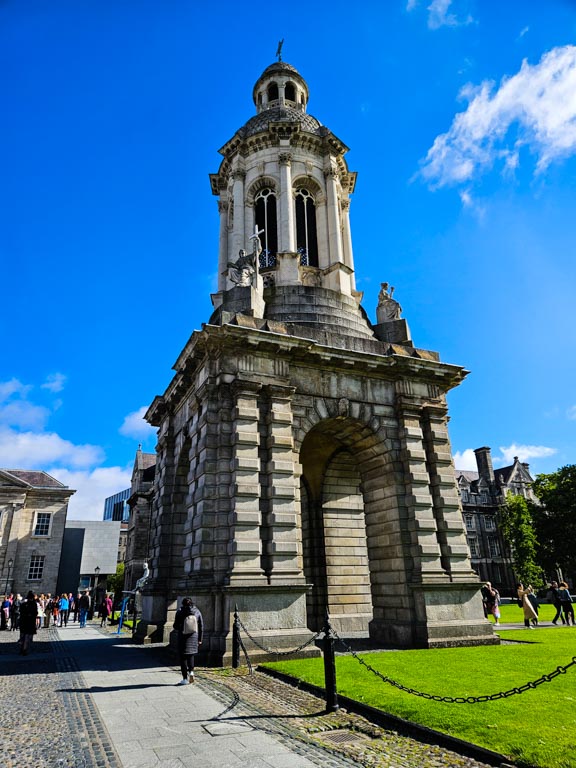
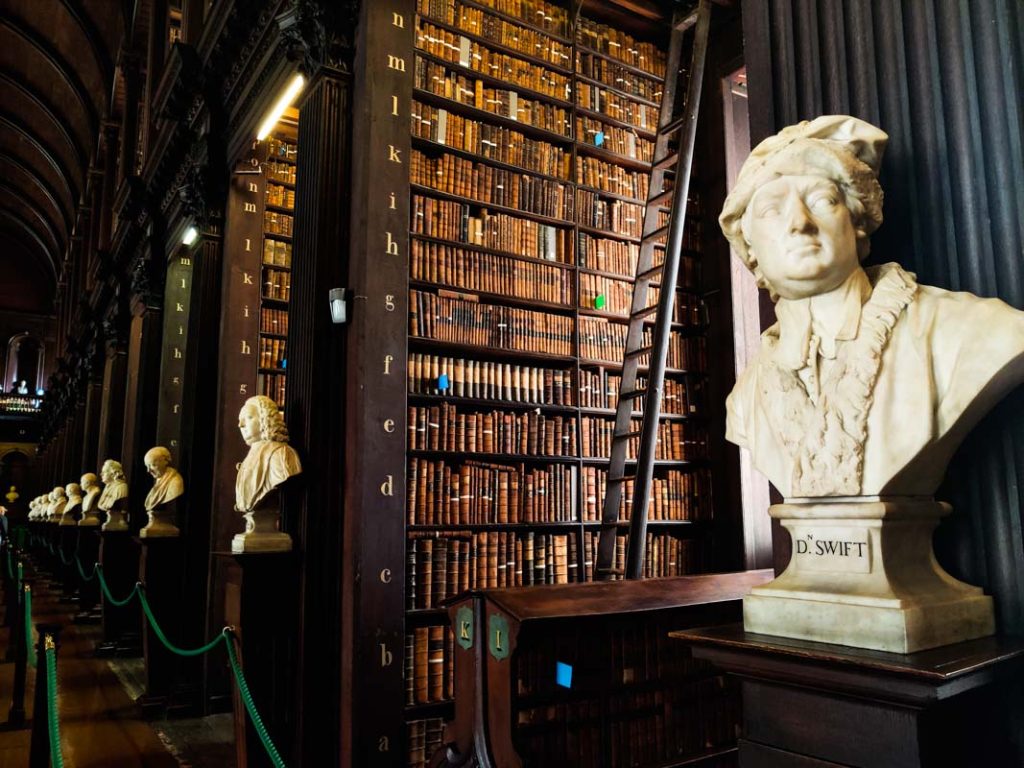
Trinity College, Ireland’s oldest university (1592), houses the magnificent 9th-century Book of Kells and the breathtaking Long Room Library with its two-story oak bookcases. This is one of Dublin’s top attractions to visit.
Insider Tip: Book online in advance for significant savings and to skip lines. Visit early morning or late afternoon for smaller crowds. Please note that only a few books are remaining on the shelves in the Long Room as the college prepares to close the Long Room for a Redevelopment Project in 2027. You can still view the Book of Kells as normal.
Cost: From €21.50 adults (online price)
2. Guinness Storehouse
The Guinness Storehouse is somewhere that eluded me until I left Ireland! Spanning seven floors, this museum explores Ireland’s most famous export, culminating in the Gravity Bar with 360-degree city views. Fingers crossed it’s a clear day on your visit.
Don’t Miss: Learning to pour the perfect pint and enjoying it with Dublin spread below.
Cost: From €22 adults (varies by time/date)
3. Kilmainham Gaol
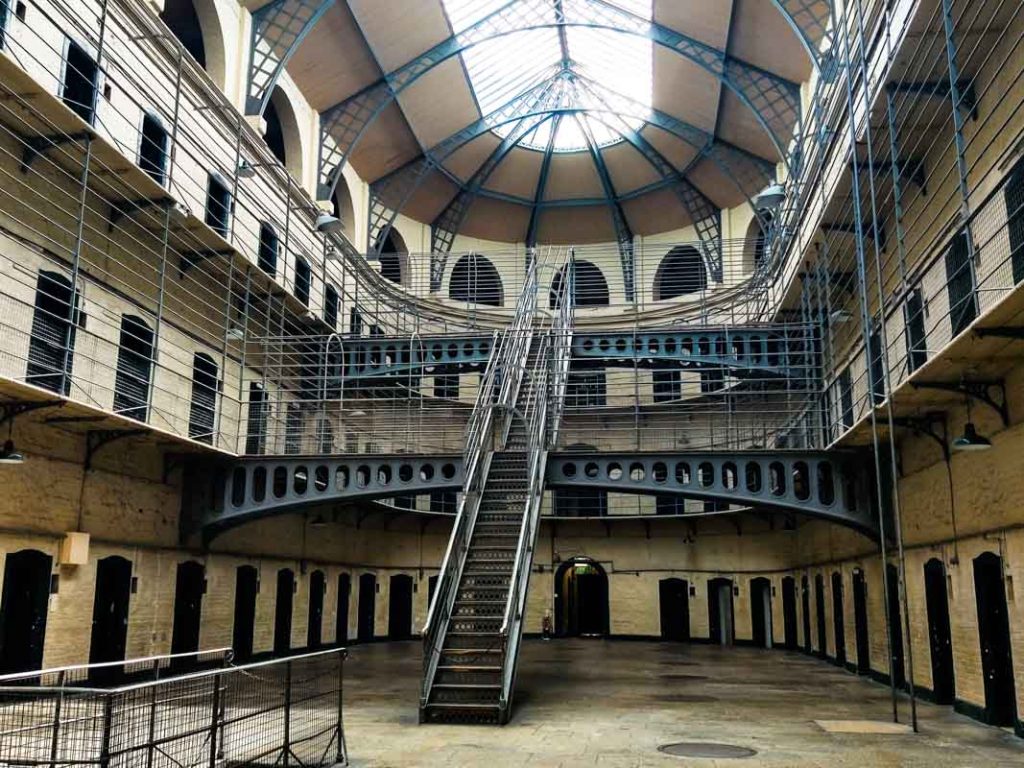
One of my favorite places to visit in Dublin, this former prison tells the story of Irish independence through the lives of political prisoners executed here, including the 1916 Easter Rising leaders. You get a guided tour of the Gaol as well as entry to the museum. Allow a few hours to take it all in. Those going with kids, be mindful of their ages.
Book Ahead: Tours sell out days in advance, especially in summer. Prebook via the authorized website well ahead of time
Cost: €8 adults
4. Dublin Castle
Dating from 1204, Dublin Castle is not just a castle but a large complex where you can explore the State Apartments, Medieval Undercroft, and Chapel Royal, where British rule ended in 1922 (read more about Ireland’s history here). If you have time, pop into the Chester Beatty Library as well, THE best free thing to do in Dublin.
Guided vs Self-Guided: Guided tours offer fascinating historical context worth the extra cost.
Cost: €8 adults (self-guided), €12 (guided)
5. Temple Bar District
Lots of people may tell you to steer clear of Temple Bar, but not me. I love strolling through the streets or people-watching through the windows of a cafe or restaurant. Temple Bar is Dublin’s cultural quarter with cobblestone streets, traditional pubs, street performers, and the Saturday food market. Just make sure to keep your valuables hidden and your wits about you, especially at night.
Reality Check: Yes, it’s touristy and pricey, but the atmosphere is unmatched. Visit once, then explore my non-touristy pub recommendations in Dublin.

6. St. Patrick’s Cathedral
St Patrick’s Cathedral is Ireland’s largest cathedral, and is where Jonathan Swift served as Dean. It has beautiful Gothic architecture and peaceful gardens. And there is a door where a famous saying came from. I won’t spoil it for you.
Cost: €11.50 adults
7. Phoenix Park
A place I often spent a Sunday morning with my parents, walking the dogs, is the Phoenix Park, Europe’s largest enclosed city park (1,750 acres). It is home to Dublin Zoo, Áras an Uachtaráin (President’s residence), the American Ambassador’s Residence, and wild deer, which we were always trying to spot around the Papal Cross and the Forty Acres.
Free Activity: Rent bikes to explore or enjoy a picnic while deer-watching. Note that entry into Dublin Zoo is payable.
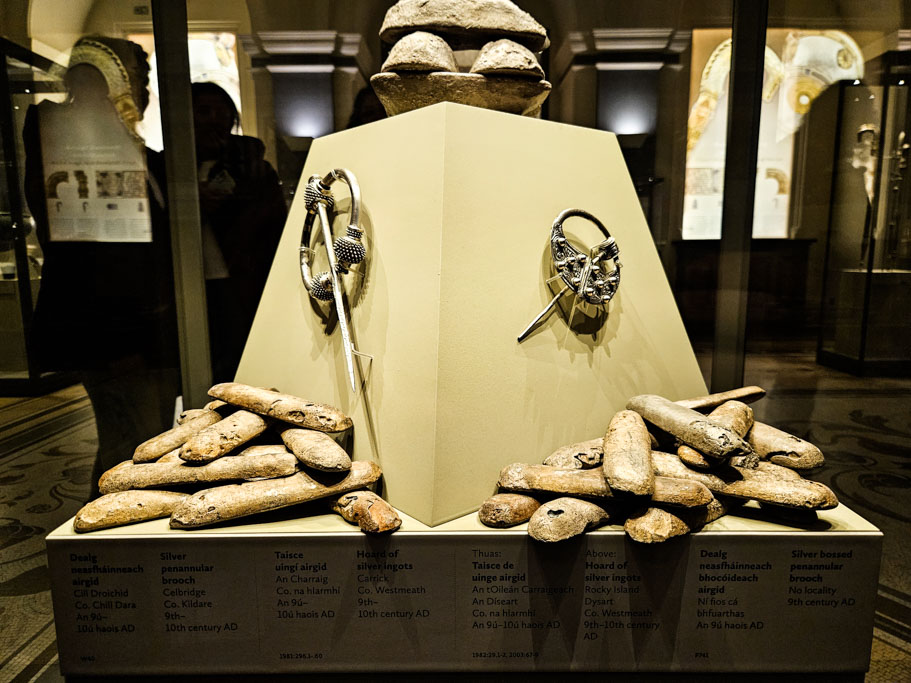
8. National Museum of Ireland
One of the best museums to visit in Dublin is the National Museum of Ireland. They have free admission to world-class collections, including Viking artifacts, bog bodies, and Ireland’s gold. The National Museum of Ireland Archaeology branch on Kildare Street is a great place to visit when it rains in Dublin.
Three Locations: Archaeology (Kildare St), Decorative Arts (Collins Barracks), Natural History (Merrion St)
9. EPIC Irish Emigration Museum
One of my top 10 must-visit places in Dublin is EPIC, the Irish Emigration Museum on Custom House Quay. This interactive museum is perfect for anyone interested in the Irish diaspora and genealogy. Engaging technology brings emigration stories to life via 20 exhibition rooms.
Genealogy Bonus: On-site research center can help trace your Irish roots, particularly popular with visitors from the US, Canada, Australia, and the UK.
Cost: From €21.00 adults
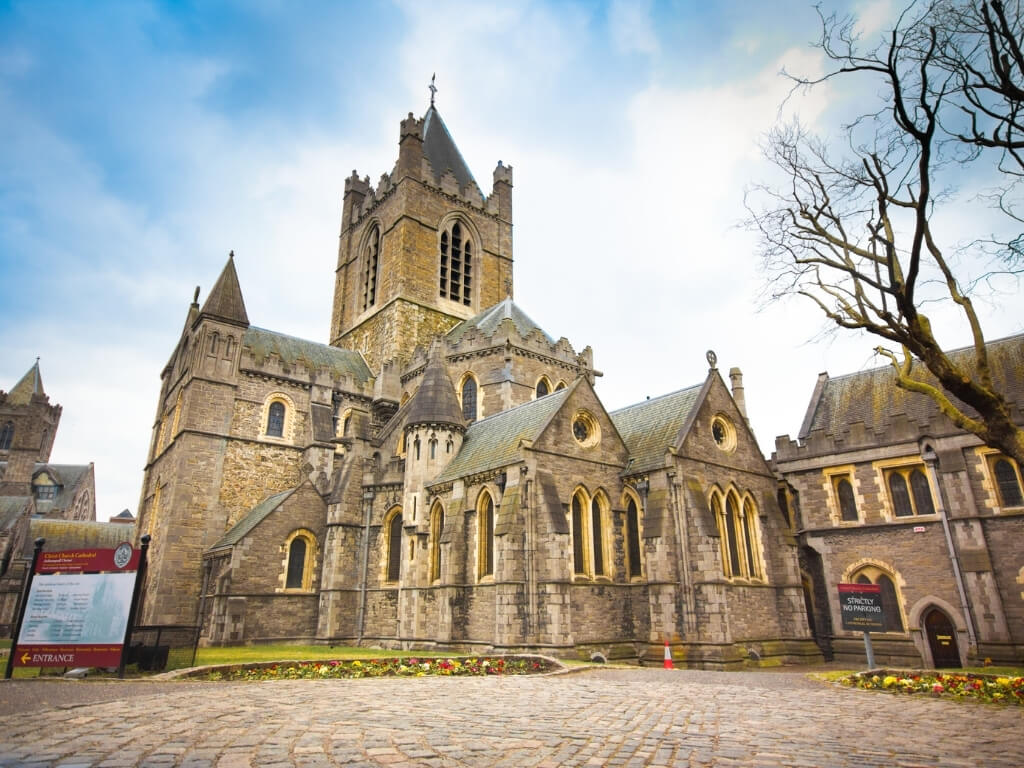
10. Christ Church Cathedral
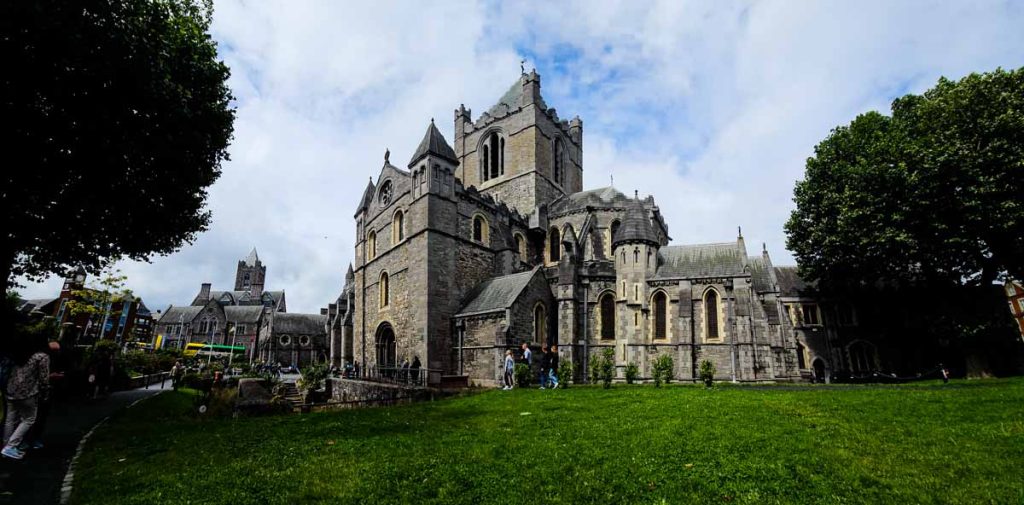
Christ Church Cathedral is Dublin’s oldest building, built in 1028, on the site of an old Viking church. The cathedral is incredible to visit and even has a medieval crypt containing a mummified cat and rat.
Combination Ticket: Save money with a joint ticket including Dublinia.
Cost: From €11.50 adults
*This post contains affiliate links, which may include Amazon affiliate links. To read more about affiliate links, please visit my Disclosure Policy page.
Dublin Neighborhoods: Where to Stay & Explore
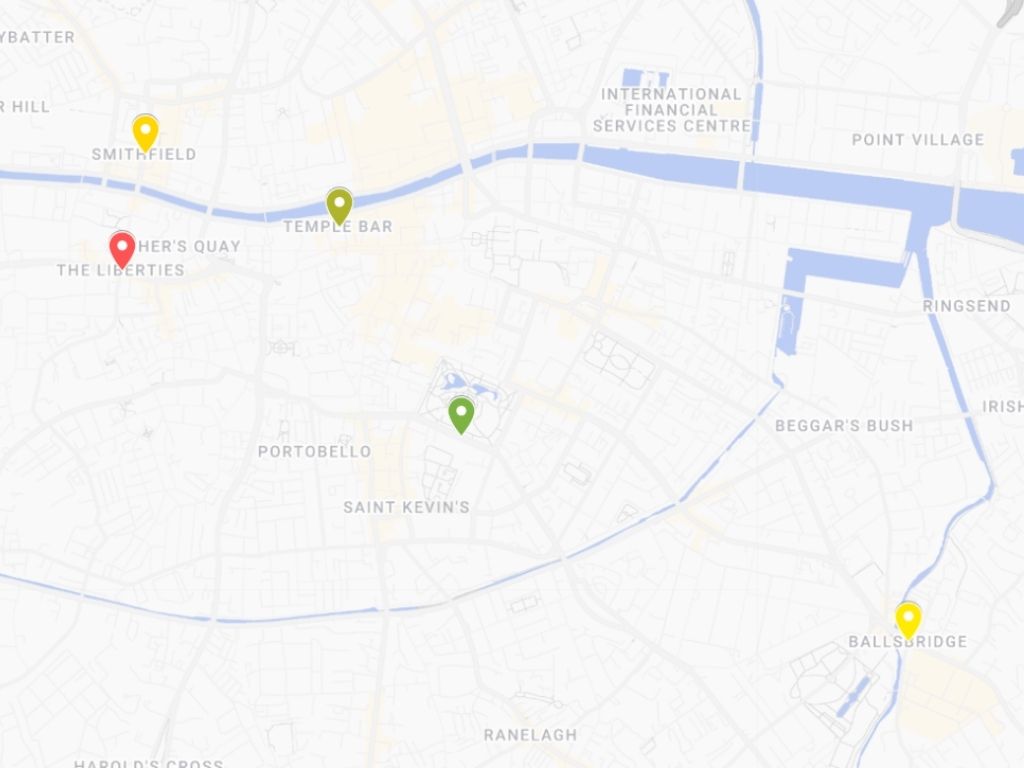
Top tip for first-time visitors: The Temple Bar & City Center or St. Stephen’s Green areas offer the most convenient access to major attractions, though they’re also the most touristy and expensive. They are also the ideal locations if you plan to explore the city on foot.
Temple Bar & City Center
Best For: First-time visitors, nightlife lovers
Pros: Walking distance to major attractions, vibrant atmosphere, plenty of restaurants/pubs and retail shops
Cons: Expensive, noisy at night, touristy
Hotel Recommendations
The Morgan Hotel – Upscale but right in the action
- The Morgan Hotel has a contemporary design, great reviews, and soundproofing to help you sleep despite Temple Bar’s buzz. It is also very centrally located near Westmoreland Street.. Click here to view the Morgan Hotel.
Harding Hotel – Affordable charm near Christ Church
- If you are looking for a Dublin hotel that is great for budget-conscious travelers who still want location + comfort, then the Harding Hotel is the one for you. Check out the Harding Hotel here.
St. Stephen’s Green Area
Best For: Luxury travelers, shopping enthusiasts
Pros: Upscale area, beautiful park, high-end shopping on Grafton Street
Cons: Pricey accommodation, can feel less “authentically Irish”
Hotel Recommendations
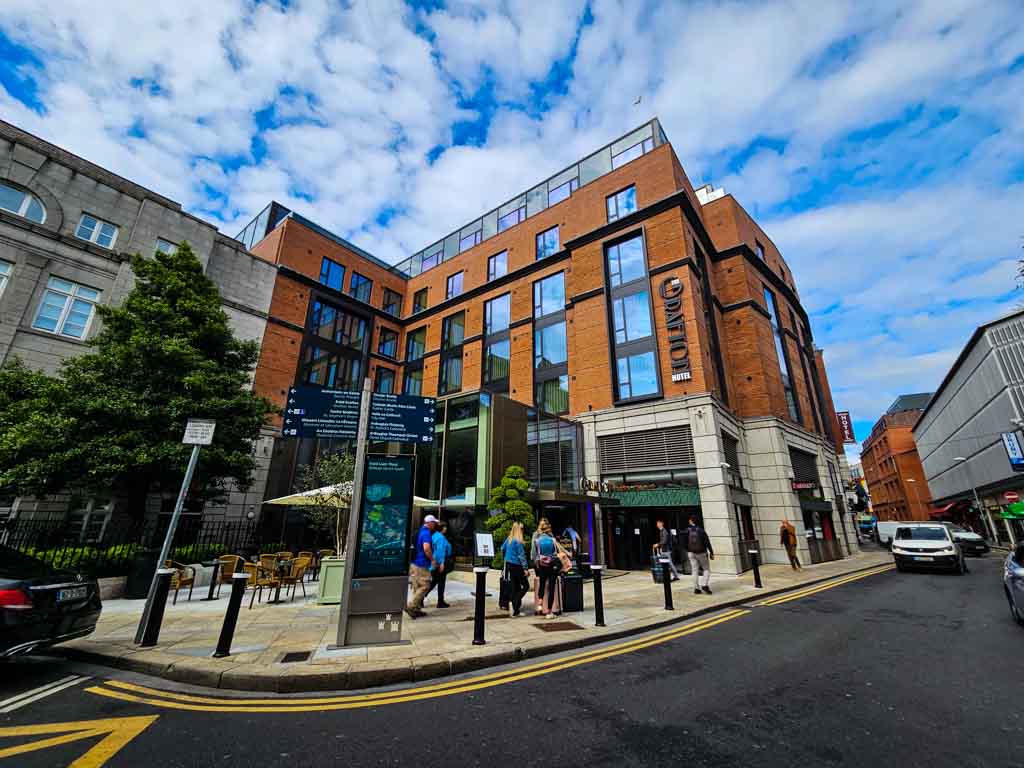
The Grafton Hotel – Trendy, central, and ideal for first-timers
- The Grafton Hotel (pictured) is just steps from Grafton Street and St. Stephen’s Green. It has a modern style, comfy beds, and excellent service. A favorite with American tourists, as well as me. Click here to check out this hotel.
The Shelbourne Dublin – Historic luxury with a view
- This iconic 5-star hotel in Dublin overlooks St Stephen’s Green Park. It is ideal for travelers wanting elegance, history, and location in one. Book the Shelbourne Hotel here.
Georgian Quarter (Ballsbridge/Donnybrook)
Best For: Families, longer stays
Pros: Elegant neighborhood, quieter, good restaurants, DART access
Cons: 20-minute walk to center, fewer evening entertainment options
Hotel Recommendations
Clayton Hotel Ballsbridge – Spacious & family-friendly
- The Clayton Hotel in Ballsbridge is excellent for travelers attending events or families needing room to spread out. Check out the Clayton Ballsbridge by clicking here.
Herbert Park Hotel – Refined stay in a residential area
- If you prefer a hotel that is in peaceful and leafy surroundings, but with public transport links nearby, then the Herbert Park Hotel is ideal. Check it out here.
Smithfield
Best For: Hip travelers, budget-conscious visitors
Pros: Emerging area, authentic local feel, Jameson Distillery, good value
Cons: Fewer tourist amenities, some areas still developing
Hotel Recommendations
Maldron Hotel Smithfield – Modern comfort near hip cafes
- The Maldron Hotel in Smithfield is ideal for travelers wanting a local vibe without sacrificing convenience. It is also conveniently located near the Smithfield Luas stop (5-minute walk). Click here to book the Maldron Hotel.
The Liberties
Best For: Culture seekers, Guinness fans
Pros: Historic area, near Guinness Storehouse, authentic Dublin
Cons: Some rough edges, limited accommodation options
Hotel Recommendations
Hyatt Centric The Liberties – Stylish and walkable to the Guinness Storehouse
- Popular for its sleek rooms and easy access to historic Dublin, the Hyatt Centric is located very close to St Patrick’s Cathedral. Note, the hotel is approximately a 15-20 minute walk from the Guinness Storehouse. Click here to view the hotel and check availability.
Accommodation Tip: Book at least 2-3 months ahead for summer visits, preferably more, and at least 6 months ahead for St. Patrick’s Festival. Consider apartments through Airbnb for stays over 3 nights, as they are often better value than hotels, particularly for families and groups.
Dublin Itinerary Guides
Making the most of your time in Dublin requires smart planning. Check out my detailed 3 Days in Dublin Itinerary for the perfect long weekend plan.
If You Have 1 Day in Dublin
Morning: Book of Kells & Trinity College (9 AM opening)
Midday: Walk through Temple Bar to Dublin Castle
Afternoon: Guinness Storehouse or Kilmainham Gaol
Evening: Traditional pub dinner and live music
If You Have 2 Days in Dublin
Day 1: Follow 1-day itinerary above
Day 2 Morning: Christ Church Cathedral & Dublinia
Day 2 Afternoon: National Museum or EPIC Museum
Day 2 Evening: Literary Pub Crawl or food tour
If You Have 3 Days in Dublin
Day 3 Options:
- Day trip to Glendalough & Wicklow Mountains
- Coastal excursion to Howth or Malahide
- Deeper dive into neighborhoods: Phoenix Park, Glasnevin Cemetery
- Shopping on Grafton Street and exploring Georgian Dublin
👉 For more ideas, read my 3 days in Dublin itinerary article, which includes maps for each day.
Unique Dublin Experiences
Beyond the main attractions, Dublin offers fascinating experiences you won’t find elsewhere. Discover our complete list of 45+ Unique and Unusual Things to Do in Dublin.
Only-in-Dublin Experiences
Glasnevin Cemetery & Museum
Ireland’s national cemetery tells the country’s history through the graves of Michael Collins, Daniel O’Connell, and 1.5 million others. Combine your visit with one to the National Botanic Gardens.
Little Museum of Dublin
Charming Georgian townhouse packed with donated artifacts telling Dublin’s 20th-century story. The guided tours are exceptional. Centrally located on St Stephen’s Green.
Literary Pub Crawl
Professional actors perform scenes from Irish literary giants while guiding you between historic pubs. Educational drinking at its finest!
Whitefriar Street Church
Contains the remains of St. Valentine – yes, that Valentine. Popular with couples, especially around February 14th.
The Leprechaun Museum
Not as cheesy as it sounds – an immersive journey through Irish folklore and mythology, great for families.
Food, Drink & Pub Culture
Dublin’s culinary scene has exploded beyond traditional Irish fare. Explore the city’s flavors with our Best Food Tours in Dublin guide. Make sure to try some of the following dishes on your exploration of the Irish capital.
Traditional Irish Foods to Try
- Full Irish Breakfast: Eggs, sausages, bacon, black & white pudding, mushrooms, tomatoes, beans
- Irish Stew: Lamb, potatoes, carrots, onions in hearty broth (pictured below)
- Coddle: Dublin’s own sausage and bacon stew
- Boxty: Potato pancakes, crispy outside, fluffy inside
- Seafood Chowder: Creamy soup with fresh Atlantic catches
- Soda Bread: Dense, slightly sweet bread perfect with butter
👉 Discover more foods to try in Ireland during your trip here.

Understanding Pub Culture
Irish pubs are social centers, not just bars for drinking in. First-time visitors are often surprised by how welcoming pub culture is. Here’s how to enjoy them properly:
- Rounds System: In groups, people take turns buying drinks for everyone, just make sure everyone agrees before you get into rounds
- Table Service: Rare – order at the bar
- Closing Time: 11:30 PM Sunday-Thursday, 12:30 AM Friday-Saturday, with 30 minutes ‘drinking up’ time
- Conversation: Locals are generally friendly – don’t be surprised if strangers chat to you
- Live Music: Traditional sessions are usually free, starting around 9 PM
Best Non-Touristy Pubs
Skip overpriced Temple Bar and visit these authentic spots from my local pub guide:
- The Dawson Lounge: Dublin’s smallest pub (capacity 30)
- O’Donoghue’s: Where The Dubliners started, great traditional music
- Toner’s: Victorian pub unchanged since 1818
- The Cobblestone: Best traditional music sessions in Smithfield
- John Kavanagh (The Gravediggers): Authentic local beside Glasnevin Cemetery
Food Tours Worth Taking
- Secret Food Tours Dublin: 3-hour walking tour with 10+ tastings (Book here)
- Delicious Dublin Food Tour: Small-group, highly-rated tour that focuses on hidden gastronomic gems in Dublin (Secure your place here)
- Afternoon Tea Bus Tour: Combine an afternoon tea with a tour of Dublin on a vintage bus that brings you to the main sights (Click here to book)
👉 Discover more great Dublin Food Tours here.
Day Trips from Dublin
Dublin makes an excellent base for exploring Ireland’s Ancient East and the stunning Wicklow Mountains. Whether you are hiring a car or not, there are plenty of options for getting out of the city and seeing beyond the capital.
Glendalough & Wicklow Mountains (1 hour drive)
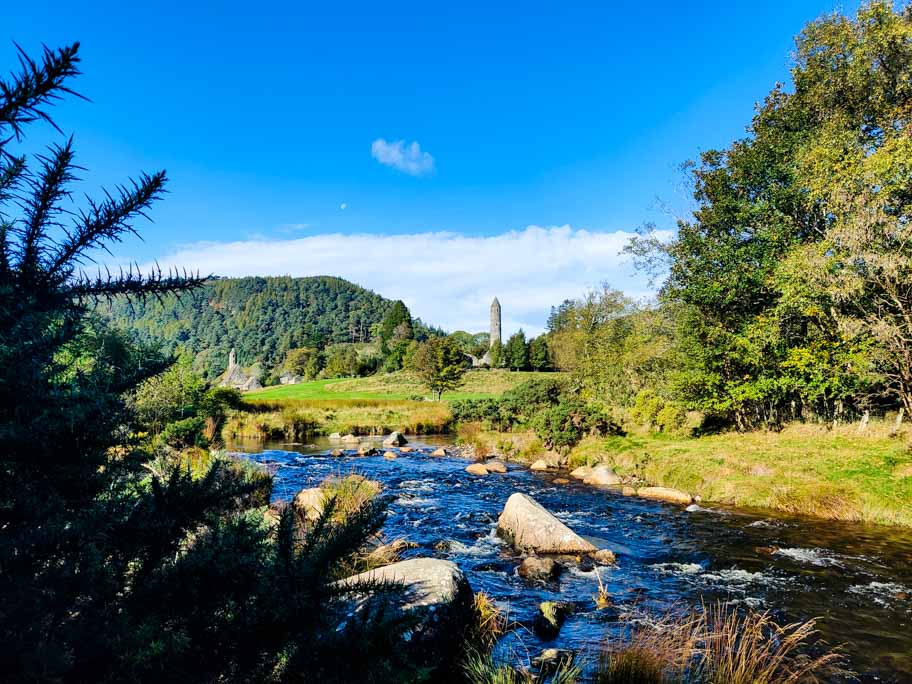
Glendalough is a 6th-century monastic settlement located in a glacial valley. With hiking trails, an ancient round tower, and the stunning “Valley of Two Lakes”, Glendalough is a beautiful place to visit on a day trip from Dublin.
How to Visit: Rent a car, take a tour, or use St. Kevin’s Bus from Dublin
Tour Recommendation: The award-winning Wild Wicklow Tours day trip can take you from Dublin to Glendalough and includes a photo stop in the beautiful Wicklow Mountains National Park. Click here to check prices and availability.
Newgrange & Brú na Bóinne (1 hour drive)
If you are looking for an incredible day tour from Dublin, then you must book Newgrange. This 5,000-year-old passage tomb is older than Stonehenge and the Egyptian pyramids and is part of the UNESCO World Heritage Site at Brú na Bóinne.
Book Ahead: Access only via the visitor center, limited daily entries
Tour recommendation: This tour with Hill Top Treks includes your ticket entry, bus transport and two additional stops along the way. Book your Brú na Bóinne tour here.
Howth (30 minutes by DART)
Howth is a very easy day trip from the center of Dublin. There is no need for a tour with this destination. This charming fishing village has cliff walks, seafood restaurants, and Ireland’s Eye island views.
Don’t Miss: Cliff walk and fish & chips at Beshoff’s
Malahide (25 minutes by DART)
Malahide Castle is a medieval castle with 250 acres of gardens plus a charming village. It is easily accessible from the city center by public transport, so again there is no need for a tour to visit this castle.
Combination: Easy to combine with Howth in one day
Powerscourt Estate (45 minutes by bus)
The Powerscourt Estate boasts magnificent 18th-century gardens ranked among the world’s best, plus Ireland’s highest continuously flowing waterfall.
Transport: Bus 44 from Dublin or DART to Bray, then Bus 185
Tour Recommendation: Hill Top Treks offers a day trip to Powercourt that combines it with Wicklow and Glendalough. Click here to check out this tour and to book your place.
Kilkenny (1.5 hours by train)
Kilkenny is a medieval city with an impressive castle, craft shops, and brewery tours. It is very walkable and located just an hour and a half south of Dublin, and is accessible to those with or without a car, via tours or public transport. Check the Irish Rail website for timetables and ticket prices between Dublin Heuston and Kilkenny. Day tickets from as little as €11 per adult.
Worth It For: Those with 3+ days in the Dublin area.
Tour Recommendation: Collins Day Tours offers a full-day trip from Dublin, combining a visit to Glendalough with a tour of Kilkenny. At both locations, you get a guided tour and also lunch in Kilkenny. Click here to book this highly-rated day trip.
10 Common Questions People Ask About Visiting Dublin
Related Dublin Guides
- Is Dublin Safe to Visit? A Local’s Perspective
- Is Dublin Worth Visiting on Your Ireland Trip?
- Best Time to Visit Dublin
- Is There Uber in Dublin?
- Amazing Top 10 Dublin Attractions
- Dublin Bucket List
- How to Spend 3 Days in Dublin
- Best Non-Touristy Pubs in Dublin
- Best Food Tours in Dublin
- 45+ Unique Things to Do in Dublin
Ireland Travel Planning Guides
- Best Time to Visit Ireland
- Best Reasons to Visit Ireland
- Best Places to Visit in Ireland
- Getting Around Ireland Guide
- Ireland Travel Tips
- How to Travel Ireland on a Budget
- Ultimate Ireland Packing List
- Is Ireland Expensive?
- Ireland vs Northern Ireland – What’s the Difference?
- The Two Capitals of Ireland – Dublin and Belfast